

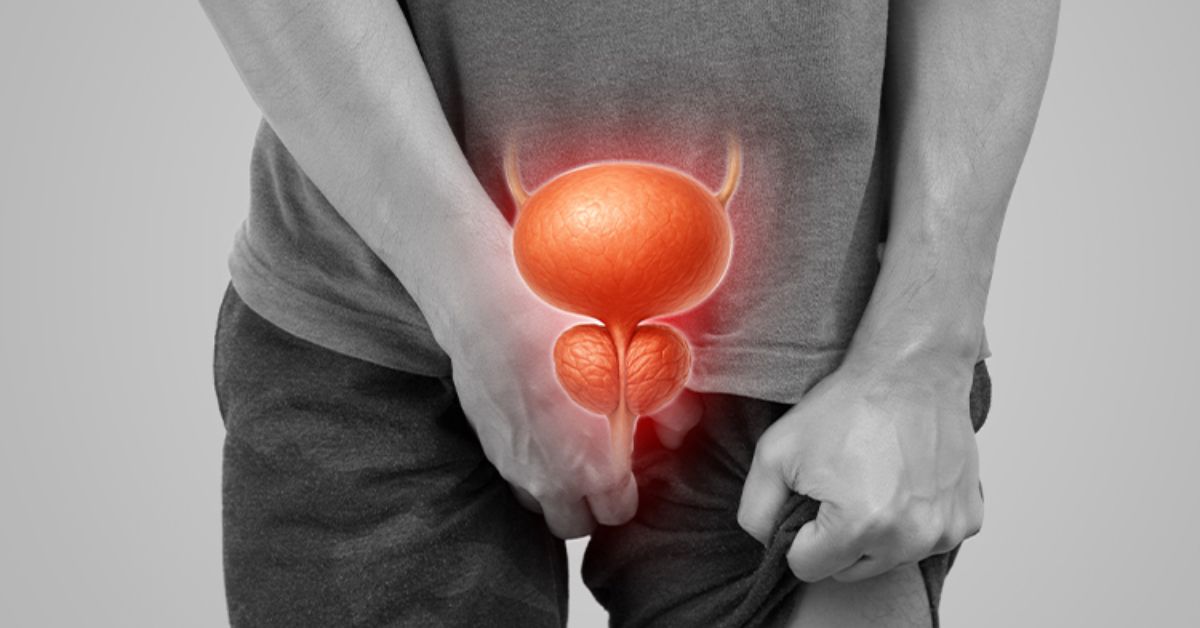
Prostate cancer is one of the most common cancers affecting men worldwide. Many men ignore early body changes because the symptoms often appear slowly and may feel similar to normal ageing. This is why recognising the signs of prostate cancer in men at an early stage can make a major difference in treatment success and long-term health.
The prostate is a small gland located below the bladder and in front of the rectum. It helps produce fluid that nourishes and transports sperm. When abnormal cells begin growing inside the prostate gland, prostate cancer may develop. Some forms grow slowly, while others spread quickly if not treated early.
Many men experience no symptoms during the first stage of the disease. However, there are several warning signs that should never be ignored. Frequent urination, weak urine flow, pelvic pain, blood in urine, and sexual health changes can all be linked to prostate problems. Although these symptoms do not always mean cancer, medical evaluation is important.
This guide explains the top warning signs of prostate cancer in men, possible causes, risk factors, diagnosis methods, treatment options, prevention tips, and when to seek medical help. The article is written in simple language to help readers make informed health decisions for themselves or loved ones.
What Is Prostate Cancer?
Prostate cancer begins when cells inside the prostate gland grow abnormally. The prostate is part of the male reproductive system and usually grows larger with age. In some men, the cells inside the gland become cancerous and multiply uncontrollably.
Prostate cancer can remain inside the gland for years without causing major symptoms. In other cases, it may spread to nearby tissues, lymph nodes, or bones. This is why routine health screening becomes important, especially for older men.
Key Facts About Prostate Cancer
- Common in men over 50
- Often grows slowly
- Early detection improves survival rates
- Family history increases risk
- Lifestyle factors may contribute
Common Types of Prostate Cancer
| Type | Description |
|---|---|
| Adenocarcinoma | Most common form beginning in gland cells |
| Small Cell Carcinoma | Rare but aggressive |
| Neuroendocrine Tumours | Fast-growing cancer cells |
| Transitional Cell Cancer | Starts near the urethra |
Many men live long and healthy lives after treatment, especially when the condition is identified early.
Why Early Detection Matters
Early detection helps doctors treat prostate cancer before it spreads to other organs. Men diagnosed during the early stage often have better treatment outcomes and higher survival rates.
One major issue is that early symptoms are sometimes mild. Some men blame ageing or urinary infections instead of seeking medical advice. Delaying diagnosis may allow cancer to grow silently.
Benefits of Early Detection
- Better treatment success
- Lower risk of cancer spread
- More treatment choices
- Reduced medical complications
- Improved quality of life
Routine check-ups become more important after age 50. Men with a family history of prostate cancer may need earlier screening.
Top Warning Signs of Prostate Cancer in Men
Frequent Urination
One of the most common warning signs is needing to urinate more often, especially during the night. As the prostate enlarges, it can press against the urethra and affect bladder control.
Men may notice:
- Waking up multiple times at night
- Sudden urge to urinate
- Difficulty holding urine
- Feeling the bladder is never fully empty
Frequent urination may also happen due to infections or enlarged prostate conditions unrelated to cancer. However, persistent symptoms should always be checked by a doctor.
Real-Life Example
A man in his late 50s may initially think frequent bathroom trips are normal ageing. After months of worsening symptoms, testing may reveal early-stage prostate cancer. Early treatment in such cases often produces positive results.
Weak or Interrupted Urine Flow
Another major warning sign is a weak urine stream. Men may notice that urination starts slowly or stops and starts repeatedly.
Symptoms Include
- Difficulty beginning urination
- Weak urine pressure
- Interrupted urine flow
- Dribbling after urination
These problems happen because the growing prostate presses against the urethra. This pressure blocks the smooth flow of urine from the bladder.
Ignoring these symptoms can delay treatment and increase discomfort over time.
Pain or Burning During Urination
Painful urination may indicate inflammation, infection, or prostate cancer. Burning sensations should not be ignored if they occur regularly.
Possible Causes
| Symptom | Possible Cause |
|---|---|
| Burning urination | Infection or irritation |
| Sharp pelvic pain | Advanced prostate issues |
| Pain while urinating | Urinary tract blockage |
Pain during urination combined with blood in urine or pelvic discomfort may require immediate medical evaluation.
Blood in Urine or Semen
Blood appearing in urine or semen can be alarming. Although infections sometimes cause this symptom, prostate cancer is also a possible reason.
Signs to Watch For
- Pink or red urine
- Brownish semen
- Small blood clots
- Recurring episodes
Even small traces of blood should never be ignored. Doctors may recommend scans, urine testing, or prostate examination to identify the cause.
Erectile Dysfunction
Sexual health changes may occur in some men with prostate cancer. Erectile dysfunction can develop when nerves, blood vessels, or surrounding tissues become affected.
Common Sexual Symptoms
- Difficulty maintaining erections
- Reduced sexual desire
- Pain during ejaculation
- Weak ejaculation
Many men feel embarrassed discussing these symptoms. However, speaking openly with a healthcare professional can help identify the real cause early.
Pain in the Lower Back, Hips, or Pelvis
Advanced prostate cancer sometimes spreads to nearby bones. This can lead to ongoing pain in the hips, lower back, or pelvic area.
Pain Symptoms Include
- Persistent back pain
- Hip discomfort
- Pelvic pressure
- Bone pain worsening at night
Pain that continues for weeks without injury should be medically evaluated, especially in older men.
Sudden Weight Loss and Fatigue
Cancer can affect the body’s metabolism and energy levels. Some men notice unexplained weight loss or extreme tiredness.
Warning Signs
- Loss of appetite
- Constant exhaustion
- Unintentional weight reduction
- Weakness during daily activities
These symptoms are more common in advanced stages but should still be taken seriously.
Difficulty Emptying the Bladder
Many men feel their bladder never completely empties after urination. This happens because prostate enlargement blocks normal urine flow.
Signs Include
- Constant urge to urinate
- Bladder pressure
- Dribbling after urination
- Returning to the bathroom quickly
Persistent bladder problems can increase infection risk and affect daily comfort.
Risk Factors for Prostate Cancer
Several factors increase the chance of developing prostate cancer. Some risk factors cannot be controlled, while others are linked to daily lifestyle habits. Knowing these factors may help men make better health decisions and encourage early medical screening.
Age
Age is considered the strongest risk factor for prostate cancer. Most cases are diagnosed in men over the age of 50. The risk continues to rise as men grow older because prostate cells may change over time.
Many younger men do not experience prostate-related issues, but older adults are more likely to notice urinary symptoms, weak urine flow, or frequent nighttime urination. Regular health check-ups become more important after middle age.
Family History
Family history can increase prostate cancer risk significantly. Men with a father, brother, or close relative diagnosed with prostate cancer may have a greater chance of developing the disease themselves.
Inherited gene changes may play a role in some families. Men with strong family history are often advised to speak with their doctor about earlier screening and routine prostate health monitoring.
Obesity
Excess body weight may increase the likelihood of aggressive prostate cancer. Obesity can affect hormone levels, inflammation, and overall body function, which may contribute to cancer growth.
Men who maintain a healthy weight through exercise and balanced eating habits often support better long-term health outcomes. Physical activity may also improve energy levels and overall wellbeing.
Poor Diet
A diet high in processed foods, sugary drinks, unhealthy fats, and excessive red meat may negatively affect prostate health. Poor nutrition can increase inflammation and contribute to obesity, which is another risk factor.
Healthier food choices may support prostate wellness. Many experts encourage eating:
- Fresh vegetables
- Fruits rich in antioxidants
- Whole grains
- Fish containing omega-3 fatty acids
- Nuts and seeds
Balanced nutrition supports both prostate health and general body function.
Smoking
Smoking damages body tissues and exposes the body to harmful chemicals linked to multiple cancers. Smokers may face higher risks of aggressive prostate cancer and other serious health conditions.
Quitting smoking can improve blood circulation, lung health, immune function, and long-term wellness. Even small lifestyle improvements may positively affect overall health over time.
Risk Factor Table
| Risk Factor | Impact |
|---|---|
| Age over 50 | Higher risk |
| Family history | Increased genetic risk |
| Smoking | Raises cancer risk |
| Obesity | Linked to aggressive cancer |
| Lack of exercise | Poor overall health |
Stages of Prostate Cancer
Doctors classify prostate cancer into stages depending on spread and severity.
| Stage | Description |
|---|---|
| Stage 1 | Small tumour inside prostate |
| Stage 2 | Cancer still limited to prostate |
| Stage 3 | Spread outside prostate |
| Stage 4 | Spread to bones or organs |
Knowing the stage helps doctors choose suitable treatment options.
How Doctors Diagnose Prostate Cancer
Doctors use several medical tests to diagnose prostate cancer and identify how advanced the condition may be. Early diagnosis can improve treatment success and help prevent cancer from spreading to other parts of the body.
Many prostate cancer symptoms are similar to other prostate conditions, so proper medical testing is important for accurate diagnosis.
PSA Blood Test
The PSA blood test measures the level of prostate-specific antigen in the bloodstream. PSA is a protein produced by the prostate gland. Higher-than-normal PSA levels may indicate prostate cancer, prostate enlargement, or inflammation.
Doctors often recommend this test for men over 50 or for those with a family history of prostate cancer.
PSA Test May Help Detect:
- Early prostate abnormalities
- Enlarged prostate gland
- Prostate inflammation
- Possible prostate cancer risk
A high PSA result does not always mean cancer is present, but it usually leads to further testing.
Digital Rectal Exam
During a digital rectal exam, a doctor gently inserts a gloved finger into the rectum to feel the prostate gland. This helps check for unusual lumps, swelling, or hard areas.
The exam is quick and may help detect prostate abnormalities that cannot be noticed through symptoms alone.
Doctors Check For:
- Enlarged prostate
- Hard prostate tissue
- Irregular prostate shape
- Pain or tenderness
Although some men feel uncomfortable discussing this test, it remains an important part of prostate health screening.
MRI Scan
An MRI scan creates detailed images of the prostate gland and surrounding tissues. This imaging test helps doctors identify suspicious areas that may require closer examination.
MRI scans are especially useful when PSA levels are elevated or when doctors need a clearer view before performing a biopsy.
Benefits of MRI Scanning
| Benefit | Purpose |
|---|---|
| Detailed imaging | Detect suspicious areas |
| Better tumour visibility | Improve diagnosis accuracy |
| Treatment planning | Help guide medical decisions |
| Biopsy support | Target abnormal tissue |
MRI technology can also help reduce unnecessary biopsies in some cases.
Biopsy
A biopsy is the most reliable way to confirm prostate cancer. During this procedure, doctors remove small tissue samples from the prostate gland using a thin needle.
The samples are examined under a microscope to check for cancer cells.
What Happens During a Biopsy?
- Local anaesthesia may be used
- Small tissue samples are collected
- Laboratory testing checks for cancer cells
- Results help determine cancer severity
Biopsy results also help doctors identify how aggressive the cancer may be and guide the best treatment plan for the patient.
Common Diagnostic Tests
- Blood tests
- Urine tests
- MRI scans
- Ultrasound
- Prostate biopsy
Early diagnosis improves treatment success rates significantly.
Treatment Options for Prostate Cancer

Treatment depends on the stage of prostate cancer, the patient’s age, overall health, and how quickly the cancer is growing. Doctors may recommend one treatment or a combination of treatments to control the disease and improve quality of life.
Active Surveillance
Active surveillance is often recommended for slow-growing prostate cancer that is unlikely to spread quickly. Doctors closely monitor the condition through regular PSA tests, scans, and check-ups without immediate treatment. This approach helps some men avoid unnecessary side effects while keeping the cancer under careful medical observation.
Surgery
Surgery for prostate cancer usually involves removing the prostate gland and nearby tissues. This procedure is called a prostatectomy. Doctors may recommend surgery when cancer is confined to the prostate. Modern surgical techniques may improve recovery time and reduce complications related to bladder control or sexual health after treatment.
Radiation Therapy
Radiation therapy uses high-energy rays to destroy prostate cancer cells and shrink tumours. It may be used as the main treatment or after surgery to remove remaining cancer cells. Some men receive external radiation, while others undergo internal radiation treatment known as brachytherapy for targeted cancer control.
Hormone Therapy
Hormone therapy lowers testosterone levels because prostate cancer cells often rely on this hormone to grow. Doctors may use hormone treatment alongside radiation or for advanced prostate cancer cases. This therapy can slow cancer progression, reduce symptoms, and help improve comfort in men with spreading disease.
Chemotherapy
Chemotherapy uses strong medications to destroy rapidly growing cancer cells throughout the body. It is commonly used for advanced prostate cancer that has spread beyond the prostate gland. Chemotherapy may help reduce pain, slow cancer growth, and improve survival rates when other treatments are no longer effective.
Treatment Comparison Table
| Treatment | Purpose |
|---|---|
| Surgery | Remove cancerous tissue |
| Radiation | Destroy cancer cells |
| Hormone therapy | Slow cancer growth |
| Chemotherapy | Treat advanced cancer |
| Active surveillance | Monitor low-risk cancer |
Lifestyle Tips That May Support Prostate Health
Healthy lifestyle habits may help support overall prostate health and reduce certain risk factors linked to prostate problems. Daily routines such as healthy eating, exercise, hydration, and avoiding harmful habits may improve long-term wellbeing and support better body function as men age.
Eat a Balanced Diet
A balanced diet rich in antioxidants, vitamins, minerals, and fibre may help support prostate health and overall wellness. Nutritious foods may reduce inflammation and help protect body cells from damage.
Helpful Foods
- Tomatoes
- Green vegetables
- Fish rich in omega-3
- Nuts and seeds
- Fresh fruits
These foods provide important nutrients that support the immune system, heart health, and healthy ageing.
| Healthy Food | Potential Benefit |
|---|---|
| Tomatoes | Rich in lycopene antioxidants |
| Green vegetables | Support immune function |
| Omega-3 fish | Promote heart and prostate health |
| Nuts and seeds | Provide healthy fats and minerals |
| Fresh fruits | Help protect body cells |
Stay Physically Active
Regular physical activity may help maintain healthy body weight, improve blood circulation, and support overall energy levels. Walking, cycling, swimming, and strength training are simple ways to stay active and support long-term prostate health.
Avoid Smoking
Smoking exposes the body to harmful chemicals that damage tissues and increase the risk of several cancers. Quitting smoking may improve circulation, lung health, and overall wellbeing while lowering health risks over time.
Reduce Alcohol Intake
Excessive alcohol consumption may negatively affect overall health and body function. Drinking alcohol in moderation may help support healthier lifestyle habits and reduce certain long-term health concerns.
Drink Enough Water
Proper hydration supports bladder health, kidney function, and healthy urinary flow. Drinking enough water throughout the day may help the body remove waste effectively and support urinary system health.
Foods That May Support Prostate Health
| Food | Potential Benefit |
|---|---|
| Tomatoes | Rich in lycopene |
| Salmon | Healthy omega-3 fats |
| Broccoli | Contains antioxidants |
| Walnuts | Healthy fats |
| Green tea | May support cell protection |
Checklist: Signs Men Should Never Ignore
Urinary Symptoms Checklist
- Frequent urination
- Weak urine flow
- Burning during urination
- Blood in urine
- Difficulty emptying bladder
Body Symptoms Checklist
- Lower back pain
- Hip pain
- Pelvic discomfort
- Fatigue
- Sudden weight loss
Sexual Health Checklist
- Erectile dysfunction
- Painful ejaculation
- Reduced sexual performance
Seeking medical advice early may prevent serious complications.
Emotional Impact of Prostate Cancer
Cancer affects emotional health as well as physical health. Many men experience stress, fear, or embarrassment after noticing symptoms.
Common Emotional Challenges
- Anxiety about diagnosis
- Fear of treatment
- Relationship stress
- Depression
- Sleep problems
Family support, counselling, and support groups can help men cope emotionally during treatment.
When to See a Doctor
Men should seek medical help if symptoms continue for more than a few weeks.
Important Situations
- Blood in urine
- Severe pelvic pain
- Sudden urinary problems
- Persistent erectile dysfunction
- Ongoing fatigue
Doctors can perform simple tests to identify the cause and recommend suitable treatment.
Myths About Prostate Cancer
Many myths prevent men from getting screened early.
Myth 1: Only Old Men Get Prostate Cancer
While risk increases with age, younger men can also develop the disease.
Myth 2: No Symptoms Means No Cancer
Early prostate cancer may cause no symptoms at all.
Myth 3: Prostate Cancer Always Spreads Quickly
Some forms grow slowly and may remain manageable for years.
Myth 4: Screening Is Painful
Most screening tests are simple and quick.
Final Thoughts:
The warning signs of prostate cancer in men should never be ignored. Small body changes can sometimes signal larger health concerns. Frequent urination, weak urine flow, blood in urine, pelvic pain, erectile dysfunction, and unexplained fatigue are all symptoms that deserve attention.
Many men delay doctor visits because symptoms seem mild or embarrassing. However, early action can lead to faster diagnosis, better treatment options, and improved survival rates. Regular health check-ups become especially important after age 50 or for men with a family history of prostate cancer.
Lifestyle habits also play a role in overall health. Eating nutritious foods, exercising regularly, avoiding smoking, and managing weight may support long-term prostate wellness. While no method guarantees prevention, healthy routines can improve quality of life and support better ageing.
Speaking openly about men’s health helps remove stigma and encourages early screening. Whether symptoms are mild or severe, professional medical advice is the safest step. Paying attention to warning signs today could protect future health and wellbeing for years to come.
Must Read:
- Common Prostate Cancer Symptoms in Men Explained
- Mens Health UK Tips for Better Fitness and Confidence
FAQs:
What are the first signs of prostate cancer in men?
Common early signs include frequent urination, weak urine flow, difficulty emptying the bladder, and waking up often during the night to urinate.
Does prostate cancer cause pain?
Some men experience pelvic pain, lower back pain, or burning during urination, especially in advanced stages.
At what age should men start prostate screening?
Many doctors recommend discussing screening around age 50, or earlier for high-risk individuals.
Can blood in urine mean prostate cancer?
Yes, blood in urine or semen can sometimes be linked to prostate cancer and should always be medically evaluated.
Is prostate cancer treatable?
Yes. Early-stage prostate cancer often responds well to surgery, radiation, or other treatments.
Can lifestyle habits reduce prostate cancer risk?
Healthy eating, regular exercise, avoiding smoking, and maintaining a healthy weight may help support prostate health.