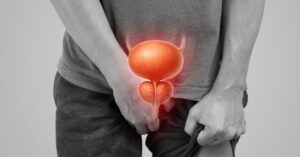


Prostate cancer is one of the most common cancers affecting men, especially after the age of 50. Many men feel anxious or confused after receiving a diagnosis because treatment choices can seem overwhelming. The good news is that modern prostate cancer treatment options continue to improve, and many men successfully manage the condition with proper medical care and early intervention.
Treatment depends on several factors, including the stage of cancer, age, overall health, symptoms, and how quickly the cancer is growing. Some prostate cancers grow slowly and may only require monitoring, while others need surgery, radiation, hormone therapy, or advanced medical treatments to control the disease.
Learning about treatment options may help patients and families make informed decisions with greater confidence. Knowing what to expect during treatment, recovery, and long-term care may also reduce fear and emotional stress linked to diagnosis.
This guide explains prostate cancer treatment options, diagnosis methods, possible side effects, recovery tips, emotional wellbeing, and healthy lifestyle habits that may support overall health during and after treatment.
What Is Prostate Cancer?
Prostate cancer develops when abnormal cells grow inside the prostate gland. The prostate is a small gland located below the bladder and is part of the male reproductive system. It helps produce fluid that supports sperm.
Some prostate cancers grow slowly and remain inside the gland for years, while others may spread to nearby tissues, lymph nodes, or bones if left untreated.
Common Symptoms of Prostate Cancer
- Frequent urination
- Weak urine flow
- Blood in urine
- Pelvic discomfort
- Erectile dysfunction
- Lower back pain
Some men experience no symptoms during early stages, which is why regular screening becomes important with age.
Why Early Treatment Matters
Early treatment may improve survival rates and reduce the risk of cancer spreading to other parts of the body. Many men diagnosed during the early stages respond well to treatment and continue living healthy lives after recovery.
Benefits of Early Treatment
- More treatment options
- Better recovery chances
- Lower risk of cancer spread
- Improved quality of life
- Reduced complications
Seeking medical advice quickly after noticing symptoms may help support earlier diagnosis and treatment success.
How Doctors Diagnose Prostate Cancer?
Doctors use several medical tests to confirm prostate cancer and determine how advanced the disease may be. Accurate diagnosis helps doctors choose the most suitable treatment plan and monitor how quickly the cancer may be growing. Early diagnosis may improve treatment success and reduce the risk of cancer spreading to other parts of the body.
PSA Blood Test
The PSA blood test measures prostate-specific antigen levels in the bloodstream. PSA is a protein produced by the prostate gland, and higher-than-normal levels may indicate prostate problems, inflammation, enlargement, or possible cancer. Doctors often recommend this test during routine prostate screening, especially for older men or individuals with higher risk factors.
Digital Rectal Exam
During a digital rectal exam, doctors manually examine the prostate gland by inserting a gloved finger into the rectum. This allows them to check for unusual lumps, hardness, swelling, or enlargement in the prostate area. Although the test is brief, it may help identify abnormalities that require further testing.
MRI Scan
MRI scans create detailed images of the prostate gland and surrounding tissues using magnetic fields and radio waves. Doctors may use MRI imaging to identify suspicious areas, determine tumour size, and guide biopsy procedures more accurately. MRI scans may also help evaluate whether cancer has spread outside the prostate.
Biopsy
A biopsy is considered the most reliable method for confirming prostate cancer. During this procedure, doctors remove small tissue samples from the prostate using a thin needle. The samples are examined in a laboratory to identify cancer cells and determine how aggressive the cancer may be.
Stages of Prostate Cancer
The stage of prostate cancer helps doctors determine how far the cancer has spread and which treatment options may be most effective. Staging also helps estimate recovery outlook and long-term treatment planning.
Stage 1
In Stage 1, cancer remains small and confined to the prostate gland. Many men experience few or no symptoms during this early stage, and treatment outcomes are often very positive when diagnosed early.
Stage 2
During Stage 2, cancer is still located inside the prostate gland but may be growing larger. Doctors may recommend surgery, radiation therapy, or active surveillance depending on tumour size and overall health.
Stage 3
In Stage 3, cancer spreads beyond the prostate into nearby tissues. Treatment often becomes more intensive and may involve a combination of therapies such as radiation and hormone treatment.
Stage 4
Stage 4 prostate cancer means the disease has spread to lymph nodes, bones, or other organs. Treatment at this stage usually focuses on controlling cancer growth, reducing symptoms, and improving quality of life.
Common Prostate Cancer Stages
| Stage | Description |
|---|---|
| Stage 1 | Small tumour inside prostate |
| Stage 2 | Larger tumour still in prostate |
| Stage 3 | Spread to nearby tissues |
| Stage 4 | Spread to distant body parts |
Prostate Cancer Treatment Options
Several treatment methods are available depending on cancer stage, age, symptoms, and overall health. Some men receive one treatment, while others may need a combination of therapies.
Active Surveillance
Active surveillance is often recommended for slow-growing prostate cancer that may not require immediate treatment. Doctors carefully monitor the condition through regular PSA tests, scans, and check-ups.
Benefits of Active Surveillance
- Avoid unnecessary treatment
- Reduce side effects
- Monitor slow-growing cancer safely
This option may suit older men or patients with low-risk prostate cancer.
Surgery
Surgery usually involves removing the prostate gland and nearby tissues. This procedure is known as a prostatectomy.
Types of Surgery
- Open prostate surgery
- Robotic-assisted surgery
- Laparoscopic surgery
Surgery may be recommended when cancer remains inside the prostate gland.
Radiation Therapy
Radiation therapy uses high-energy rays to destroy cancer cells and shrink tumours.
Types of Radiation Therapy
- External beam radiation
- Internal radiation therapy
- Brachytherapy
Radiation may be used alone or combined with other treatments.
Hormone Therapy
Hormone therapy lowers testosterone levels because prostate cancer cells often rely on testosterone for growth.
Hormone Therapy May Help
- Slow cancer growth
- Reduce symptoms
- Improve treatment effectiveness
Doctors may combine hormone therapy with radiation treatment in some cases.
Chemotherapy
Chemotherapy uses powerful medicines to destroy rapidly growing cancer cells throughout the body.
Chemotherapy Is Often Used For
- Advanced prostate cancer
- Cancer that spreads beyond the prostate
- Cases resistant to hormone therapy
Chemotherapy may help reduce pain and slow cancer progression.
Immunotherapy
Immunotherapy helps the immune system recognise and attack cancer cells more effectively.
Possible Benefits
- Target cancer cells
- Support immune response
- Help advanced cancer cases
This treatment is generally used in selected advanced cases.
Possible Side Effects of Prostate Cancer Treatment
Treatment side effects vary depending on the treatment type and individual health condition.
Common Side Effects
- Fatigue
- Urinary problems
- Erectile dysfunction
- Bowel discomfort
- Reduced sexual desire
- Emotional stress
Some side effects improve gradually during recovery, while others may require ongoing medical support.
Recovery After Prostate Cancer Treatment
Recovery time depends on treatment type, age, and overall health. Many men recover successfully with proper care and healthy lifestyle habits.
Helpful Recovery Habits
- Follow medical advice
- Stay physically active
- Eat balanced meals
- Attend follow-up appointments
- Manage stress levels
Emotional support from family and healthcare professionals may also improve recovery experiences.
Lifestyle Habits That May Support Recovery
Healthy daily habits may support overall wellbeing during and after treatment.
Eat a Balanced Diet
Nutritious foods may help support immune function and energy levels.
Helpful Foods
- Tomatoes
- Green vegetables
- Fish rich in omega-3
- Whole grains
- Fresh fruits
Stay Physically Active
Light exercise such as walking may support circulation and recovery.
Avoid Smoking
Smoking may slow healing and increase health risks.
Limit Alcohol Intake
Reducing alcohol may support healthier recovery and overall wellbeing.
Emotional Impact of Prostate Cancer
A prostate cancer diagnosis may affect emotional health as well as physical wellbeing. Many men experience fear, stress, anxiety, or uncertainty during treatment.
Common Emotional Challenges
- Anxiety about treatment
- Fear of recurrence
- Relationship stress
- Body image concerns
- Depression
Support groups, counselling, and open communication may help men cope emotionally during recovery.
Sexual Health After Prostate Cancer Treatment
Some prostate cancer treatments may affect sexual function temporarily or permanently.
Possible Sexual Side Effects
- Erectile dysfunction
- Reduced sexual desire
- Difficulty maintaining erections
Doctors may recommend medications, therapy, or rehabilitation methods to support sexual health recovery.
Importance of Follow-Up Care
Regular follow-up care helps doctors monitor recovery and check for signs of recurrence after treatment.
Follow-Up May Include
- PSA blood tests
- Physical examinations
- Imaging scans
- Symptom monitoring
Consistent follow-up appointments remain important even after successful treatment.
Foods That May Support Prostate Health

Healthy nutrition may support overall prostate and body health.
Foods Commonly Recommended
- Tomatoes
- Broccoli
- Salmon
- Walnuts
- Green tea
Foods To Limit
- Processed foods
- Excess sugar
- Excess alcohol
- Fried foods
Balanced nutrition may help support overall wellness during recovery.
Real-Life Example
A man in his early 60s diagnosed with early-stage prostate cancer may choose robotic surgery followed by regular follow-up care. With healthy lifestyle changes, light exercise, and emotional support from family, he may gradually return to normal daily activities and maintain a good quality of life after treatment.
Questions Men Often Ask About Prostate Cancer Treatment
Many men have concerns about treatment choices, possible side effects, recovery time, and long-term health after diagnosis. Asking questions and learning about treatment options may help patients feel more confident and prepared during the treatment journey.
Can Prostate Cancer Be Cured?
Many early-stage prostate cancers respond very well to treatment and may be successfully controlled or cured. Treatment success often depends on how early the cancer is diagnosed, the stage of the disease, and overall health condition. Regular follow-up care also plays an important role in long-term recovery and monitoring.
Is Treatment Always Necessary?
Not every prostate cancer case requires immediate treatment. Some slow-growing cancers may only need active surveillance with regular PSA tests, scans, and medical check-ups. Doctors carefully monitor the condition and begin treatment only if the cancer shows signs of growth or progression over time.
Will Treatment Affect Daily Life?
Some prostate cancer treatments may temporarily affect daily activities during recovery. Men may experience fatigue, urinary problems, reduced energy levels, or sexual health changes depending on the treatment type. Many side effects improve gradually with recovery, medical support, and healthy lifestyle habits.
How Long Does Recovery Take?
Recovery time varies depending on the treatment method, age, overall health, and how the body responds to treatment. Some men recover within several weeks after surgery, while others may require longer periods of follow-up care and rehabilitation to regain strength and daily comfort.
Common Myths About Prostate Cancer Treatment
Many myths about prostate cancer treatment create unnecessary fear, confusion, and anxiety. Learning accurate information may help men make informed decisions and reduce stress during treatment planning and recovery.
Myth 1: Prostate Cancer Always Spreads Quickly
Some prostate cancers grow very slowly and may remain manageable for years without causing major health problems. Certain men may only require active surveillance instead of aggressive treatment. Early diagnosis helps doctors monitor cancer growth and choose the most appropriate care plan.
Myth 2: Treatment Always Causes Severe Side Effects
Modern prostate cancer treatments have improved significantly and may reduce side effects for many patients. While some men experience temporary urinary, bowel, or sexual health changes, medical support and newer treatment techniques may help manage these effects more effectively than in the past.
Myth 3: Older Men Cannot Be Treated Successfully
Many older men respond well to prostate cancer treatment and continue active, healthy lives after recovery. Treatment decisions are usually based on overall health, cancer stage, and individual medical condition rather than age alone. Doctors often customise treatment plans to suit each patient’s needs and wellbeing.
Daily Recovery Checklist
- Take medications properly
- Attend follow-up appointments
- Stay hydrated
- Eat nutritious meals
- Sleep well
- Stay physically active
- Talk openly about emotional stress
Small daily habits may support recovery and overall wellbeing.
When To Contact a Doctor
Men should contact a doctor if they experience unusual symptoms or worsening side effects during treatment or recovery.
Important Warning Signs
- Severe pain
- Blood in urine
- Difficulty urinating
- Extreme fatigue
- Fever or infection symptoms
Quick medical attention may help prevent complications.
Final Thoughts:
Prostate cancer treatment may feel overwhelming at first, but modern medical care continues to improve outcomes for many men worldwide. Early diagnosis, proper treatment planning, and healthy lifestyle habits may help support better recovery and long-term wellbeing.
Treatment choices depend on several personal factors, including cancer stage, overall health, age, and patient preferences. Some men may only require active monitoring, while others benefit from surgery, radiation, hormone therapy, chemotherapy, or newer targeted treatments.
Emotional health also plays an important role during recovery. Support from family, healthcare professionals, and counselling services may help men manage stress and maintain confidence throughout treatment. Open communication about symptoms, concerns, and recovery goals may improve both emotional and physical wellbeing.
Healthy habits such as balanced nutrition, exercise, proper sleep, hydration, and avoiding smoking may support overall health during and after treatment. Many men continue living active and fulfilling lives after prostate cancer treatment with the right medical care and long-term support.
Must Read:
- Mens Health UK Tips for Better Fitness and Confidence
- Top Warning Signs of Prostate Cancer in Men
- Common Prostate Cancer Symptoms in Men Explained
FAQs:
What is the most common treatment for prostate cancer?
Common treatments include surgery, radiation therapy, hormone therapy, active surveillance, and chemotherapy depending on cancer stage.
Can prostate cancer be treated successfully?
Yes. Many men respond well to treatment, especially when cancer is diagnosed early.
Does prostate cancer treatment cause side effects?
Some treatments may cause fatigue, urinary problems, or sexual health changes, although side effects vary between individuals.
What is active surveillance in prostate cancer?
Active surveillance involves closely monitoring slow-growing prostate cancer without immediate treatment.
Can lifestyle habits support recovery after treatment?
Healthy eating, exercise, hydration, and avoiding smoking may support overall recovery and wellbeing.
Is surgery always necessary for prostate cancer?
No. Some men may receive radiation, hormone therapy, or active surveillance instead of surgery depending on their condition.