
Prostate health becomes increasingly important as men grow older. Many men ignore early body changes because they assume symptoms are part of normal ageing. However, some changes may signal more serious health concerns that should not be ignored. Prostate Cancer Symptoms in Men can sometimes appear slowly and quietly, making regular awareness extremely important.
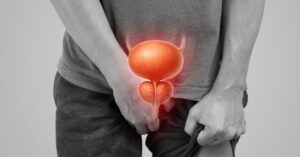
The prostate is a small gland located below the bladder and plays a role in male reproductive health. When abnormal cells begin growing in the prostate, prostate cancer may develop. Early stages often show few or no noticeable symptoms, which is why many men remain unaware until routine screenings or more advanced symptoms appear.
The good news is that early awareness and timely medical care can improve treatment outcomes significantly. Knowing the common warning signs helps men seek medical advice sooner instead of delaying care.
This guide explains the most common Prostate Cancer Symptoms in Men, possible risk factors, diagnosis methods, lifestyle support tips, treatment options, and preventive health habits. The information is written in a simple and easy-to-follow format designed to help men and families stay informed about prostate health.
Paying attention to early warning signs may help protect long-term health and improve quality of life.
What Is Prostate Cancer?
Prostate cancer develops when abnormal cells grow inside the prostate gland. In some cases, the cancer grows slowly, while other cases may become more aggressive.
The prostate gland helps produce fluid that supports sperm health.
Basic Facts About the Prostate
| Prostate Information | Details |
|---|---|
| Location | Below the bladder |
| Function | Supports semen production |
| Size | Similar to a walnut |
| Common issue with age | Enlargement and cancer risk |
Why Prostate Health Matters
Healthy prostate function supports:
- Urinary health
- Reproductive health
- Overall male wellness
Prostate Cancer Symptoms in Men often become more common after age 50, although younger men can also develop prostate issues.
Why Early Detection Is Important
Early detection increases the chances of successful treatment and better long-term health outcomes.
Many Prostate Cancer Symptoms in Men appear gradually, making it easy to ignore them initially.
Benefits of Early Detection
- More treatment options
- Better recovery chances
- Reduced risk of cancer spread
- Improved quality of life
Why Men Delay Medical Care
Some men delay check-ups because:
- Symptoms feel mild
- Fear of diagnosis
- Lack of awareness
- Busy schedules
Health Awareness Checklist
✔ Monitor urinary changes
✔ Attend regular medical check-ups
✔ Discuss family history with doctors
✔ Seek advice for unusual symptoms
Early medical attention may help reduce serious complications later.
Common Prostate Cancer Symptoms in Men
Many early symptoms affect urinary habits because the prostate sits close to the bladder and urethra.
Frequent Urination
One of the most common Prostate Cancer Symptoms in Men is needing to urinate more often, especially at night.
Difficulty Starting Urination
Some men notice:
- Weak urine flow
- Delayed urination
- Trouble emptying the bladder
Burning or Pain During Urination
Pain or discomfort while urinating should never be ignored.
Blood in Urine or Semen
Blood may appear:
- In urine
- In semen
Although not always caused by cancer, this symptom requires medical evaluation.
Common Symptoms Table
| Symptom | Possible Effect |
|---|---|
| Frequent urination | Sleep disruption |
| Weak urine flow | Bladder discomfort |
| Pain during urination | Urinary irritation |
| Blood in urine | Possible warning sign |
Persistent urinary changes should always be checked by a healthcare professional.
Urinary Symptoms Linked to Prostate Cancer
Urinary issues are among the most noticeable Prostate Cancer Symptoms in Men.
Common Urinary Problems
- Difficulty urinating
- Interrupted urine flow
- Feeling bladder pressure
- Frequent nighttime urination
Why These Symptoms Happen
As the prostate enlarges or becomes affected by abnormal cells, pressure on the urinary tract may increase.
Real-Life Example
A man in his early sixties ignored frequent nighttime urination for several months before finally seeking medical advice during a routine health check-up.
Urinary Health Checklist
✔ Track changes in urination
✔ Avoid ignoring persistent symptoms
✔ Stay hydrated
✔ Attend medical evaluations regularly
Not all urinary symptoms mean cancer, but ongoing problems should be evaluated.
Pain and Physical Discomfort Symptoms

Some Prostate Cancer Symptoms in Men involve physical pain or discomfort, especially as the condition progresses.
Common Pain Symptoms
- Pelvic discomfort
- Lower back pain
- Hip pain
- Pain during ejaculation
Why Pain Occurs
Advanced prostate cancer may affect surrounding tissues or bones.
Pain and Prostate Health Table
| Pain Location | Possible Concern |
|---|---|
| Lower back | Advanced prostate issues |
| Pelvic area | Prostate pressure |
| Hips | Possible bone involvement |
Important Reminder
Pain symptoms may have many causes besides prostate cancer, but persistent pain should not be ignored.
Early evaluation helps identify the underlying cause more accurately.
Erectile Dysfunction and Sexual Health Changes
Sexual health changes may also appear among Prostate Cancer Symptoms in Men.
Possible Sexual Symptoms
- Erectile dysfunction
- Reduced sexual performance
- Pain during ejaculation
Why Sexual Symptoms May Occur
Prostate conditions can affect:
- Blood flow
- Nerve function
- Hormonal balance
Emotional Impact
Sexual health concerns often affect:
- Confidence
- Relationships
- Emotional wellbeing
Real-Life Example
A married man experiencing persistent erectile issues decided to schedule a health screening and later identified underlying prostate concerns early.
Open communication and medical advice are important for sexual health concerns.
Advanced Prostate Cancer Symptoms
When prostate cancer spreads beyond the prostate gland, additional symptoms may develop.
Advanced Symptoms
- Bone pain
- Weight loss
- Severe fatigue
- Weakness in legs
Why Symptoms Become More Serious
Cancer spread may affect:
- Bones
- Lymph nodes
- Nearby organs
Advanced Symptom Table
| Advanced Symptom | Possible Impact |
|---|---|
| Bone pain | Reduced mobility |
| Weight loss | Lower energy |
| Fatigue | Daily activity difficulty |
Important Note
Not every man experiences advanced symptoms. Early detection often reduces the risk of cancer spreading.
Risk Factors for Prostate Cancer
Several factors may increase prostate cancer risk.
Common Risk Factors
- Age over 50
- Family history
- Obesity
- Poor diet
- Lack of exercise
Risk Factor Table
| Risk Factor | Why It Matters |
|---|---|
| Age | Risk increases with ageing |
| Family history | Genetic influence |
| Obesity | May increase complications |
| Smoking | General health impact |
Family History Importance
Men with close relatives diagnosed with prostate cancer may benefit from earlier screening discussions.
Lifestyle habits also influence overall prostate health.
Age and Prostate Health
Age is one of the strongest risk factors linked to Prostate Cancer Symptoms in Men.
Why Risk Increases With Age
As men grow older:
- Cell changes become more common
- Prostate enlargement risk increases
- Hormonal changes occur
Men Most Commonly Affected
Prostate cancer is more common among:
- Men over 50
- Older adults
Healthy Ageing Habits
✔ Stay physically active
✔ Attend regular check-ups
✔ Maintain healthy weight
✔ Eat balanced meals
Healthy ageing habits support better long-term wellness.
Importance of Regular Screenings
Screenings help identify prostate concerns before symptoms become severe.
Common Prostate Screening Tests
- PSA blood test
- Digital rectal exam
- Imaging scans
- Biopsy if needed
Screening Benefits
| Screening Method | Purpose |
|---|---|
| PSA test | Detect prostate changes |
| Physical exam | Check abnormalities |
| Imaging | Identify affected areas |
Why Men Avoid Screenings
Some men avoid screenings due to:
- Fear
- Embarrassment
- Lack of awareness
Routine health discussions improve early detection opportunities.
Diagnosis of Prostate Cancer
Doctors use several methods to diagnose prostate cancer accurately.
Common Diagnostic Procedures
- Blood tests
- Physical examination
- MRI scans
- Prostate biopsy
What Happens During Diagnosis
Doctors evaluate:
- PSA levels
- Prostate size
- Abnormal tissue changes
Real-Life Example
A man attending a routine annual check-up was referred for additional testing after abnormal PSA results led to early-stage diagnosis.
Regular monitoring supports early intervention.
Treatment Options for Prostate Cancer
Treatment depends on:
- Cancer stage
- Age
- Overall health
- Cancer growth speed
Common Treatment Options
- Surgery
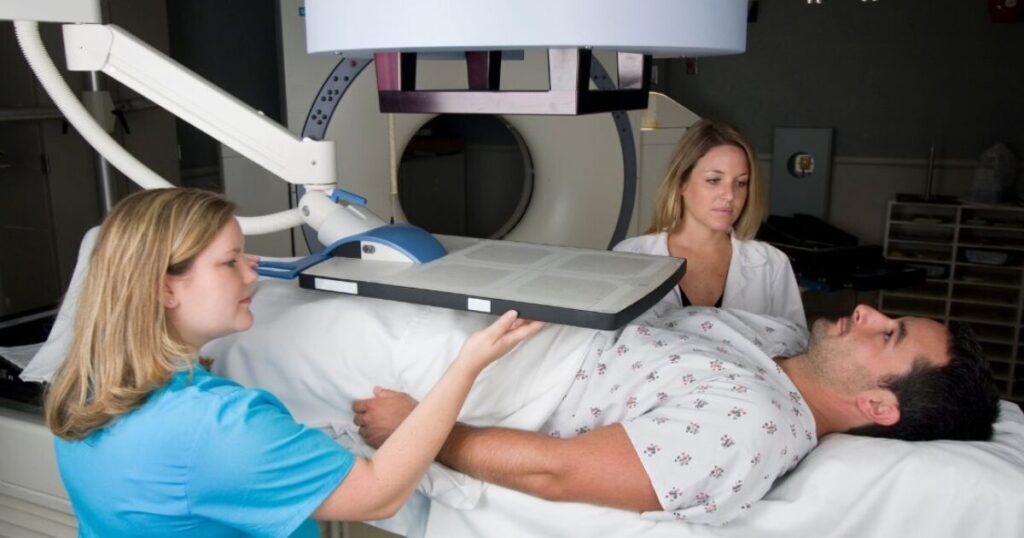
- Radiation therapy
- Hormone therapy
- Active surveillance
- Chemotherapy
Treatment Comparison Table
| Treatment | Goal |
|---|---|
| Surgery | Remove cancer |
| Radiation | Destroy cancer cells |
| Hormone therapy | Reduce cancer growth |
| Active surveillance | Monitor slow-growing cancer |
Why Treatment Plans Differ
Some prostate cancers grow slowly and may require monitoring instead of immediate aggressive treatment.
Doctors create personalised treatment plans based on individual health needs.
Lifestyle Habits That Support Prostate Health
Healthy habits may help support prostate wellness and overall health.
Healthy Lifestyle Tips
- Exercise regularly
- Eat balanced meals
- Stay hydrated
- Maintain healthy weight
- Avoid smoking
Best Foods for Prostate Health
| Healthy Food | Potential Benefit |
|---|---|
| Tomatoes | Antioxidant support |
| Fish | Healthy fats |
| Vegetables | Nutrient support |
| Nuts | Healthy oils |
Real-Life Example
A man improving his diet and exercise habits noticed better overall energy and healthier weight management during prostate treatment recovery.
Healthy routines support overall wellbeing during all life stages.
Exercise and Men’s Health
Physical activity supports:
- Heart health
- Weight management
- Stress reduction
- Energy levels
Beginner-Friendly Exercises
- Walking
- Swimming
- Cycling
- Strength training
Exercise Benefits Table
| Exercise Type | Health Benefit |
|---|---|
| Walking | Heart support |
| Strength training | Muscle maintenance |
| Cycling | Improved endurance |
Regular movement supports both physical and emotional health.
Mental Health During Prostate Cancer Concerns
Health concerns often affect emotional wellbeing.
Emotional Challenges Men May Face
- Anxiety
- Fear
- Stress
- Low confidence
Mental Wellness Tips
✔ Talk openly with loved ones
✔ Join support groups
✔ Stay physically active
✔ Seek professional emotional support
Why Emotional Support Matters
Strong emotional support may help:
- Reduce stress
- Improve coping ability
- Support treatment recovery
Mental wellness is an important part of overall health care.
Common Myths About Prostate Cancer
Many misconceptions create confusion about Prostate Cancer Symptoms in Men.
Myth vs Fact Table
| Myth | Fact |
|---|---|
| Only elderly men get prostate cancer | Younger men may also develop it |
| Symptoms always appear early | Early stages may have no symptoms |
| Frequent urination always means cancer | Many conditions may cause it |
Why Awareness Matters
Accurate information helps men:
- Seek care earlier
- Reduce fear
- Make informed health decisions
Health education supports better prevention and awareness.
Prevention and Healthy Habits
While no method guarantees prevention, healthy habits may help reduce risk factors.
Preventive Health Tips
- Stay active
- Maintain healthy weight
- Eat nutritious foods
- Avoid smoking
- Limit excessive alcohol
Preventive Wellness Checklist
✔ Schedule regular check-ups
✔ Monitor body changes
✔ Maintain healthy lifestyle habits
✔ Stay informed about men’s health
Consistent healthy habits support long-term wellness.
When to See a Doctor
Men should seek medical advice if symptoms persist or worsen.
Symptoms That Need Medical Attention
- Blood in urine
- Frequent urination
- Persistent pelvic pain
- Weak urine flow
- Erectile dysfunction
Why Early Medical Advice Matters
Quick medical evaluation may:
- Identify causes earlier
- Improve treatment outcomes
- Reduce complications
Ignoring symptoms often delays proper care.
Long-Term Outlook and Recovery
Many men continue living healthy and active lives after prostate cancer diagnosis and treatment.
Recovery Factors
- Early detection
- Treatment response
- Overall health
- Lifestyle habits
Recovery Support Tips
| Healthy Habit | Recovery Benefit |
|---|---|
| Exercise | Better strength |
| Nutrition | Improved healing |
| Emotional support | Reduced stress |
Real-Life Example
A retired man diagnosed early continued normal activities after successful treatment and healthy lifestyle changes.
Long-term health management supports quality of life.
Final Thoughts:
Prostate Cancer Symptoms in Men should never be ignored, especially when symptoms persist or worsen over time. Early warning signs such as frequent urination, weak urine flow, pelvic discomfort, blood in urine, or sexual health changes may indicate prostate concerns that require medical evaluation.
The good news is that awareness, regular screenings, healthy lifestyle habits, and timely medical care can improve treatment success and long-term health outcomes significantly. Many men benefit from early detection before cancer progresses to advanced stages.
Healthy habits such as balanced nutrition, exercise, weight management, hydration, stress reduction, and preventive healthcare support overall prostate wellness naturally. Emotional support and regular communication with healthcare providers also play important roles during diagnosis and treatment.
Men should never feel embarrassed discussing urinary or prostate-related symptoms. Open health conversations encourage earlier care and healthier outcomes.
Taking prostate health seriously today may help protect long-term wellness, confidence, mobility, and quality of life in the future.
Must Read: Mens Health UK Tips for Better Fitness and Confidence
FAQs:
What are the most common Prostate Cancer Symptoms in Men?
Frequent urination, weak urine flow, blood in urine, pelvic pain, and erectile dysfunction are common symptoms.
Does prostate cancer always cause symptoms early?
No. Early-stage prostate cancer may cause few or no noticeable symptoms.
At what age does prostate cancer risk increase?
Risk generally increases after age 50, although younger men may also develop prostate cancer.
Is frequent urination always caused by prostate cancer?
No. Many prostate and urinary conditions may cause frequent urination, but persistent symptoms should be checked medically.
Can healthy lifestyle habits support prostate health?
Yes. Exercise, balanced nutrition, weight management, and avoiding smoking may support better prostate wellness.
Why are regular screenings important?
Screenings help identify prostate changes early, improving treatment options and recovery chances.