

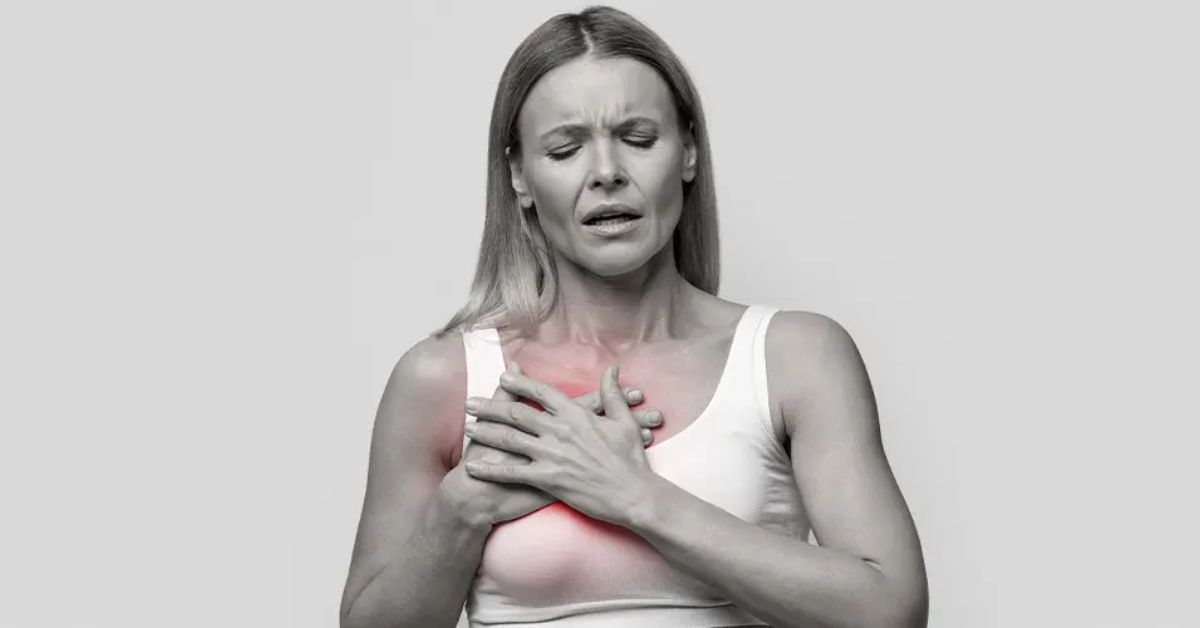
Inflammatory breast cancer is a rare but aggressive form of breast cancer that develops quickly and often causes noticeable skin and breast changes. Unlike many other types of breast cancer, inflammatory breast cancer may not always form a clear lump, which can make early detection more difficult. Because the disease progresses rapidly, recognising symptoms early becomes extremely important.
Many women mistake early inflammatory breast cancer symptoms for skin irritation, infection, or allergic reactions. Redness, swelling, warmth, breast heaviness, and skin thickening may appear suddenly and worsen over a short period. Ignoring these changes may delay diagnosis and treatment.
Although inflammatory breast cancer is less common than other breast cancers, early medical attention may improve treatment success and long-term health outcomes. Learning the warning signs may help women seek faster medical evaluation and avoid delays in care.
This guide explains how to recognise inflammatory breast cancer early, including symptoms, causes, diagnosis methods, treatment options, emotional wellbeing, and healthy habits that may support overall breast health.
What Is Inflammatory Breast Cancer?
Inflammatory breast cancer is a fast-growing type of breast cancer that blocks lymph vessels in the skin of the breast. This blockage causes redness, swelling, warmth, and skin changes that may look similar to inflammation or infection.
Unlike typical breast cancer, inflammatory breast cancer often develops without a noticeable lump. Symptoms may appear suddenly and progress within weeks or months.
Important Facts About Inflammatory Breast Cancer
- Rare but aggressive cancer type
- Symptoms may appear rapidly
- Often causes visible skin changes
- May not form a distinct lump
- Requires quick medical attention
Early diagnosis and treatment may improve recovery outcomes significantly.
Why Early Detection Matters?
Early recognition of inflammatory breast cancer symptoms may help doctors begin treatment before the disease spreads further. Because inflammatory breast cancer grows quickly, delays in diagnosis may reduce treatment options and increase complications.
Many women initially believe symptoms are caused by infection or irritation. Seeking medical evaluation when symptoms continue or worsen may help support earlier diagnosis.
Benefits of Early Detection
- Faster treatment planning
- Better treatment response
- Reduced spread risk
- Improved recovery chances
- More treatment options
Paying attention to unusual breast changes may help protect long-term health.
Early Warning Signs of Inflammatory Breast Cancer
Inflammatory breast cancer symptoms often develop quickly and affect the appearance and texture of the breast. Symptoms may worsen over days or weeks rather than months or years.
Breast Redness
Redness covering part or most of the breast is one of the most common inflammatory breast cancer symptoms. The skin may appear pink, red, or darkened depending on skin tone.
Signs to Watch For
- Sudden redness
- Skin discoloration
- Rash-like appearance
- Warm breast skin
Persistent redness that does not improve should be medically evaluated.
Swelling of the Breast
Inflammatory breast cancer may cause one breast to swell suddenly or appear larger than the other.
Swelling Symptoms
- Rapid breast enlargement
- Tight skin feeling
- Breast heaviness
- Visible size difference
Swelling may occur even without a noticeable lump.
Warmth in the Breast
Many women notice unusual warmth or heat in the affected breast. This symptom happens because cancer blocks lymph vessels and increases inflammation in breast tissues.
Skin Thickening and Dimpling
Inflammatory breast cancer may change the skin texture, creating a thickened or dimpled appearance often compared to orange peel skin.
Skin Changes May Include
- Thickened skin
- Small dimples
- Rough skin texture
- Tight appearance
These changes should never be ignored if they worsen quickly.
Breast Pain or Tenderness
Some women experience pain, soreness, burning, or tenderness in the affected breast.
Possible Symptoms
- Persistent discomfort
- Burning sensation
- Breast sensitivity
- Pain worsening over time
Pain may range from mild irritation to significant discomfort.
Nipple Changes
The nipple may flatten, invert, or change appearance due to inflammation inside the breast tissue.
Nipple Symptoms
- Nipple inversion
- Crusting
- Peeling skin
- Increased sensitivity
Sudden nipple changes should always be medically assessed.
Swollen Lymph Nodes
Inflammatory breast cancer may spread to nearby lymph nodes under the arm or near the collarbone.
Warning Signs
- Underarm swelling
- Tender lymph nodes
- Hard lumps near collarbone
- Persistent swelling
Swollen lymph nodes may appear before other symptoms become obvious.
How Inflammatory Breast Cancer Differs From Other Breast Cancers

Inflammatory breast cancer behaves differently from many common breast cancers.
Key Differences
- Often no distinct lump
- Symptoms develop quickly
- Visible skin changes are common
- More aggressive growth pattern
Many traditional breast cancer symptoms develop slowly, while inflammatory breast cancer may progress rapidly within weeks.
Causes and Risk Factors
The exact cause of inflammatory breast cancer is not fully known, but several factors may increase the risk of developing the disease. While having risk factors does not guarantee someone will develop inflammatory breast cancer, recognising these factors may help encourage earlier screening and greater breast health awareness.
Age
Inflammatory breast cancer may occur at younger ages compared to many other types of breast cancer. Although the disease can affect women of different age groups, some cases are diagnosed earlier than traditional breast cancers. Regular attention to unusual breast changes remains important regardless of age.
Obesity
Excess body weight may increase inflammation in the body and affect hormone levels linked to cancer risk. Obesity may also contribute to more aggressive cancer growth in some individuals. Maintaining a healthy weight through balanced nutrition and regular physical activity may support overall health and wellness.
Family History
Women with a family history of breast cancer may face a higher risk of inflammatory breast cancer. Inherited genetic changes may contribute to cancer development in some families. Women with close relatives diagnosed with breast cancer are often encouraged to discuss screening options and risk factors with their doctor.
Smoking
Smoking damages body tissues and exposes the body to harmful chemicals linked to several cancers. Long-term smoking may increase inflammation and negatively affect overall health. Avoiding smoking may support healthier body function and reduce certain cancer-related risks over time.
Hormonal Factors
Hormonal influences may contribute to abnormal breast cell growth in some women. Hormone-related changes linked to menstruation, menopause, hormone replacement therapy, or other medical factors may affect breast tissue over time. Hormonal factors alone do not directly cause inflammatory breast cancer, but they may contribute to increased risk in certain individuals.
Common Risk Factors
| Risk Factor | Possible Impact |
|---|---|
| Obesity | Increased inflammation |
| Smoking | Tissue damage |
| Family history | Genetic risk |
| Hormonal factors | Hormone imbalance |
| Age | Increased risk over time |
How Doctors Diagnose Inflammatory Breast Cancer
Doctors use several medical tests to confirm inflammatory breast cancer and determine how advanced the disease may be. Because inflammatory breast cancer often develops quickly and may not form a clear lump, accurate testing is important for early diagnosis and treatment planning. Doctors usually combine physical examinations, imaging tests, and laboratory testing to identify the condition.
Physical Breast Examination
During a physical breast examination, doctors carefully check the breast for redness, swelling, warmth, thickened skin, tenderness, and enlarged lymph nodes under the arm or near the collarbone. Visible skin changes and rapid symptom development may help doctors identify signs linked to inflammatory breast cancer.
Mammogram
A mammogram uses low-dose X-rays to identify abnormal breast tissue or skin thickening. Although inflammatory breast cancer may not always appear as a distinct lump, mammograms may still help detect unusual tissue changes and areas requiring further evaluation.
Ultrasound
Ultrasound imaging uses sound waves to create detailed images of breast tissue and nearby lymph nodes. Doctors often use ultrasound to examine suspicious areas more closely and determine whether abnormalities may require biopsy testing.
MRI Scan
MRI scans provide highly detailed images of the breast using magnetic fields and radio waves. This imaging method may help doctors evaluate cancer spread, identify affected tissues, and plan treatment more accurately. MRI scans are especially useful when inflammatory breast cancer symptoms involve large areas of the breast.
Biopsy
A biopsy is considered the most reliable way to confirm inflammatory breast cancer. During this procedure, doctors remove small tissue samples from the breast or skin using a needle. Laboratory testing checks the samples for cancer cells and helps determine the type and severity of the disease.
Stages of Inflammatory Breast Cancer
Inflammatory breast cancer is usually considered advanced at diagnosis because it spreads rapidly through lymph vessels in the breast skin. Staging helps doctors determine how far the cancer has spread and which treatments may be most effective.
Stage 3
Stage 3 inflammatory breast cancer means the disease affects the breast and nearby lymph nodes but has not spread to distant organs. Symptoms often include significant redness, swelling, skin thickening, and lymph node involvement. Treatment usually combines chemotherapy, surgery, and radiation therapy.
Stage 4
Stage 4 inflammatory breast cancer means the disease has spread to distant organs such as bones, lungs, liver, or other body areas. Treatment at this stage often focuses on controlling cancer growth, reducing symptoms, improving quality of life, and supporting long-term care.
Early treatment remains important at every stage because inflammatory breast cancer tends to progress quickly.
Treatment Options for Inflammatory Breast Cancer
Treatment for inflammatory breast cancer usually involves multiple therapies combined together because the disease is aggressive and fast-growing. Doctors create personalised treatment plans based on cancer stage, overall health, and how the cancer responds to therapy.
Chemotherapy
Chemotherapy is often the first treatment used to shrink inflammatory breast cancer before surgery. Strong medicines travel throughout the body to destroy rapidly growing cancer cells. Chemotherapy may also help reduce cancer spread and improve the effectiveness of later treatments.
Surgery
Doctors may perform surgery to remove the affected breast and nearby lymph nodes after chemotherapy. This procedure helps remove remaining cancer tissue and reduce the risk of further spread. Surgical treatment is often part of a combined treatment approach for inflammatory breast cancer.
Radiation Therapy
Radiation therapy uses high-energy rays to destroy remaining cancer cells after surgery. Radiation may help reduce the risk of cancer returning in the breast or nearby tissues. Treatment is carefully targeted to minimise damage to healthy surrounding areas.
Hormone Therapy
Hormone therapy may help women with hormone-sensitive inflammatory breast cancer. This treatment lowers or blocks hormones such as oestrogen that may help cancer cells grow. Hormone therapy is often used after chemotherapy, surgery, or radiation treatment.
Targeted Therapy
Targeted therapy uses specialised medicines that attack specific cancer proteins while reducing damage to healthy cells. These treatments may help improve treatment effectiveness for certain inflammatory breast cancer types and are often combined with chemotherapy or other therapies.
Possible Side Effects of Treatment
Treatment side effects vary depending on the therapies used.
Common Side Effects
- Fatigue
- Hair loss
- Skin irritation
- Nausea
- Emotional stress
- Appetite changes
Doctors may provide supportive treatments to help manage side effects during recovery.
Emotional Impact of Inflammatory Breast Cancer

A cancer diagnosis may affect emotional wellbeing as much as physical health. Many women experience fear, anxiety, sadness, or emotional exhaustion during treatment.
Common Emotional Challenges
- Fear of treatment
- Anxiety about recovery
- Body image concerns
- Stress about family responsibilities
- Depression
Support groups, counselling, and open communication may help women cope emotionally during treatment and recovery.
Lifestyle Habits That May Support Overall Breast Health
Healthy lifestyle habits may support overall wellness and long-term health during and after inflammatory breast cancer treatment. While lifestyle changes cannot prevent cancer completely, healthy routines may improve physical strength, emotional wellbeing, recovery, and overall quality of life. Small daily habits may positively affect long-term health over time.
Eat Nutritious Foods
Balanced meals rich in vegetables, fruits, lean proteins, fibre, and healthy fats may support recovery and immune function. Nutritious foods may help the body repair tissues, maintain energy levels, and support overall wellbeing during treatment and recovery. Limiting heavily processed foods and excess sugar may also support healthier body function.
Stay Physically Active
Light exercise may improve blood circulation, energy levels, flexibility, and emotional wellbeing. Activities such as walking, stretching, yoga, or gentle workouts may help reduce fatigue and support recovery during treatment. Physical activity may also help reduce stress and improve overall mood.
Avoid Smoking
Avoiding smoking may support healthier lung function, blood circulation, and overall body health. Smoking exposes the body to harmful chemicals that may increase inflammation and raise the risk of several cancers. Quitting smoking may also support better recovery and long-term wellness after treatment.
Maintain Healthy Weight
Healthy weight management may support hormone balance and reduce obesity-related health risks. Excess body weight may increase inflammation and affect hormone levels linked to breast cancer. Maintaining balanced nutrition and regular physical activity may support healthier long-term wellbeing.
Sleep Properly
Quality sleep supports healing, emotional recovery, immune function, and overall body repair. Poor sleep may increase fatigue, stress, and emotional exhaustion during treatment. Creating a consistent sleep routine and reducing stress before bedtime may help improve sleep quality and recovery support.
Real-Life Example
A woman notices sudden redness, swelling, and warmth in one breast over several weeks. Initially believing it to be an infection, she later seeks medical evaluation when symptoms continue worsening. Imaging and biopsy testing confirm inflammatory breast cancer, allowing treatment to begin quickly with chemotherapy and surgery.
Important Symptoms Women Should Never Ignore
- Sudden breast redness
- Breast swelling
- Skin dimpling
- Warm breast skin
- Nipple inversion
- Underarm swelling
- Persistent breast pain
Quick medical evaluation may improve treatment outcomes.
Common Myths About Inflammatory Breast Cancer
Many myths may delay diagnosis or create unnecessary confusion.
Myth 1: Breast Cancer Always Causes a Lump
Inflammatory breast cancer often develops without a noticeable lump.
Myth 2: Redness Means Infection Only
Breast redness may sometimes indicate inflammatory breast cancer instead of infection.
Myth 3: Young Women Are Not at Risk
Inflammatory breast cancer may occur in younger women as well.
When To See a Doctor
Women should seek medical advice if unusual breast changes continue for more than a few days or worsen quickly.
Important Warning Signs
- Sudden swelling
- Persistent redness
- Thickened skin
- Nipple changes
- Swollen lymph nodes
Early medical attention may improve treatment planning and recovery outcomes.
Final Thoughts:
Inflammatory breast cancer is a serious and aggressive form of breast cancer that requires fast medical attention. Because symptoms often appear suddenly and may resemble infection or irritation, many women delay seeking medical care. Paying attention to unusual breast changes such as redness, swelling, warmth, dimpling, or nipple changes may help support earlier diagnosis.
Unlike many other breast cancers, inflammatory breast cancer may not always form a clear lump. This makes awareness of visible skin and breast changes extremely important. Quick diagnosis and treatment may improve treatment response and help reduce the spread of cancer.
Modern treatment methods including chemotherapy, surgery, radiation therapy, hormone therapy, and targeted treatments continue improving outcomes for many women. Emotional support, healthy lifestyle habits, and regular follow-up care also play important roles during recovery.
Speaking openly about breast health and recognising warning signs early may encourage more women to seek medical care without delay. Early action has the potential to improve both treatment success and long-term wellbeing.
Must Read:
FAQs:
What is the first sign of inflammatory breast cancer?
Sudden breast redness, swelling, warmth, or skin thickening are often early symptoms.
Does inflammatory breast cancer always cause a lump?
No. Many women do not notice a distinct lump with inflammatory breast cancer.
How quickly does inflammatory breast cancer spread?
Inflammatory breast cancer often progresses quickly over weeks or months.
Can inflammatory breast cancer look like an infection?
Yes. Symptoms may resemble breast infection or skin irritation.
Is inflammatory breast cancer treatable?
Yes. Treatment often includes chemotherapy, surgery, radiation, and targeted therapies.
When should someone seek medical help?
Medical evaluation is important if breast redness, swelling, pain, or skin changes continue or worsen quickly.