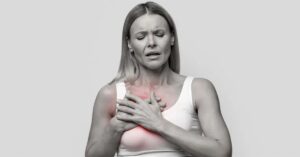


Breast cancer is one of the most common cancers affecting millions of people around the world. It develops when abnormal cells in the breast begin growing uncontrollably. These cells may form a lump or tumour and, in some cases, spread to other parts of the body if not treated early. Although breast cancer mainly affects women, men can also develop the disease.
Awareness about breast cancer has increased significantly in recent years because early detection often improves treatment success and survival rates. Many people now recognise the importance of regular screenings, healthy lifestyle habits, and paying attention to unusual body changes.
Breast cancer can affect physical health, emotional wellbeing, relationships, confidence, and daily life. However, medical advancements, better awareness, and modern treatments have helped many patients recover successfully and continue living healthy lives.
This article explains what breast cancer is, its common symptoms, risk factors, diagnosis methods, treatment options, prevention tips, emotional effects, and healthy lifestyle habits. Learning about breast cancer can help people make informed health decisions, encourage early medical care, and support long-term wellness.
What Is Breast Cancer?
Breast cancer occurs when cells inside the breast grow abnormally and multiply faster than normal healthy cells. These abnormal cells may form a tumour that can sometimes spread to nearby tissues or other body parts.
Breast tissue contains:
- Lobules that produce milk
- Ducts that carry milk
- Fatty tissue
- Connective tissue
Breast cancer most commonly begins in the ducts or lobules.
Basic Facts About Breast Cancer
| Breast Cancer Information | Details |
|---|---|
| Commonly affected group | Mostly women |
| Can men develop it? | Yes |
| Most common starting area | Milk ducts |
| Importance of early detection | Higher treatment success |
Breast cancer varies from person to person. Some cancers grow slowly while others may grow more aggressively.
Types of Breast Cancer
There are several types of breast cancer, and treatment may depend on the specific type diagnosed.
Ductal Carcinoma In Situ (DCIS)
Ductal Carcinoma In Situ, commonly called DCIS, is an early-stage and non-invasive breast cancer. Abnormal cells develop inside the milk ducts but do not spread into surrounding breast tissue. DCIS is often detected during routine mammograms, and early treatment usually provides very positive outcomes and lowers future breast cancer risk.
Invasive Ductal Carcinoma
Invasive Ductal Carcinoma is one of the most common forms of breast cancer. It begins inside the milk ducts and later spreads into nearby breast tissue. In some cases, it may also spread to lymph nodes or other body parts. Early diagnosis and treatment can improve recovery and long-term health outcomes.
Invasive Lobular Carcinoma
Invasive Lobular Carcinoma starts in the milk-producing glands called lobules. The cancer cells may spread into surrounding breast tissue and nearby areas over time. This type of breast cancer can sometimes be difficult to detect during physical examinations because it often grows in a less noticeable pattern inside the breast.
Triple-Negative Breast Cancer
Triple-Negative Breast Cancer is considered a more aggressive form of breast cancer. It does not contain estrogen, progesterone, or HER2 receptors, making some standard hormone treatments ineffective. This type often grows faster than other breast cancers, but early diagnosis and modern treatment options continue improving patient outcomes worldwide.
Breast Cancer Types Table
| Breast Cancer Type | Description |
|---|---|
| DCIS | Non-invasive |
| Invasive ductal carcinoma | Common invasive form |
| Invasive lobular carcinoma | Starts in lobules |
| Triple-negative breast cancer | Aggressive cancer type |
Knowing the type of breast cancer helps doctors choose the most effective treatment plan.
Common Symptoms of Breast Cancer
Breast cancer symptoms vary depending on the stage and type of cancer.
Common Warning Signs
- Lump in the breast
- Lump under the arm
- Breast swelling
- Skin dimpling
- Nipple discharge
- Breast pain
- Changes in breast shape
Skin Changes
Some people notice:
- Redness
- Thickened skin
- Texture changes similar to orange peel
Nipple Changes
Possible symptoms include:
- Inverted nipple
- Unusual discharge
- Irritation
Breast Cancer Symptoms Table
| Symptom | Possible Sign |
|---|---|
| Breast lump | Tissue abnormality |
| Skin changes | Inflammation or cancer |
| Nipple discharge | Breast changes |
| Swelling | Tissue involvement |
Not all breast lumps are cancerous, but unusual changes should always be medically evaluated.
Early Signs of Breast Cancer
Early breast cancer may not always cause pain or obvious symptoms. This is why regular screenings are important.
Early Signs to Watch For
- Small painless lump
- Changes in breast texture
- Slight breast swelling
- Mild nipple changes
Why Early Detection Matters
Early diagnosis may:
- Improve treatment success
- Reduce spread risk
- Increase survival rates
Real-Life Example
A woman noticed a small painless lump during self-examination and later received early-stage treatment with positive results.
Paying attention to small body changes can make a major difference.
Causes of Breast Cancer
The exact cause of breast cancer is not always known. However, several factors may increase the risk of developing the disease.
How Cancer Develops
Cancer begins when genetic changes affect normal cell growth. These abnormal cells continue multiplying instead of dying naturally.
Factors That May Influence Risk
- Hormonal changes
- Genetic mutations
- Ageing
- Lifestyle habits
- Environmental exposure
Important Reminder
Having risk factors does not guarantee someone will develop breast cancer.
Many people diagnosed with breast cancer have no obvious risk factors.
Risk Factors for Breast Cancer

Several factors are linked to increased breast cancer risk.
Common Risk Factors
- Age over 50
- Family history
- Obesity
- Smoking
- Alcohol consumption
- Hormonal therapy
- Lack of physical activity
Breast Cancer Risk Factors Table
| Risk Factor | Why It Matters |
|---|---|
| Age | Risk increases over time |
| Family history | Genetic influence |
| Obesity | Hormonal impact |
| Smoking | Overall health risk |
Family History and Genetics
Women with close relatives diagnosed with breast cancer may have higher risk.
Genetic mutations such as BRCA1 and BRCA2 may also increase risk significantly.
Breast Cancer in Men
Although rare, men can also develop breast cancer.
Symptoms in Men
- Lump near the nipple
- Skin changes
- Nipple discharge
Why Awareness Matters
Many men ignore breast changes because they assume breast cancer only affects women.
Men’s Breast Cancer Checklist
✔ Monitor unusual lumps
✔ Seek medical advice early
✔ Discuss family history with doctors
Early awareness supports faster diagnosis and treatment.
Importance of Breast Self-Examinations
Self-examinations help people become familiar with their normal breast appearance and texture.
Benefits of Self-Checks
- Increased body awareness
- Faster recognition of changes
- Early medical attention
How to Perform a Self-Exam
- Check visually in a mirror
- Raise arms and observe changes
- Gently feel breast tissue
- Check underarm areas
Signs to Watch During Self-Exams
- Hard lumps
- Thickened tissue
- Skin dimpling
- Swelling
Self-exams should not replace professional screenings but may help identify changes earlier.
Breast Cancer Screening Methods
Regular screenings are important for early detection.
Common Screening Tests
- Mammograms
- Ultrasound
- MRI scans
- Clinical breast exams
Mammograms
Mammograms use low-dose X-rays to detect abnormal breast tissue changes.
Screening Benefits Table
| Screening Test | Purpose |
|---|---|
| Mammogram | Detect hidden abnormalities |
| Ultrasound | Examine breast tissue |
| MRI | Detailed imaging |
Why Screenings Matter
Screenings may identify breast cancer before symptoms appear.
Early detection often improves recovery outcomes significantly.
How Breast Cancer Is Diagnosed
Doctors use several methods to confirm breast cancer diagnosis.
Diagnostic Procedures
- Physical examination
- Imaging tests
- Biopsy
- Blood tests
Biopsy Procedure
A biopsy removes a small tissue sample for laboratory testing.
Diagnosis Process Table
| Diagnostic Method | Purpose |
|---|---|
| Imaging scans | Identify abnormalities |
| Biopsy | Confirm cancer cells |
| Blood tests | Evaluate overall health |
Real-Life Example
A routine mammogram detected early-stage breast cancer in a woman with no noticeable symptoms.
Routine check-ups play a major role in early detection.
Breast Cancer Stages
Doctors classify breast cancer into stages depending on tumour size and spread.
Main Breast Cancer Stages
- Stage 0
- Stage 1
- Stage 2
- Stage 3
- Stage 4
Stage Overview
| Stage | Description |
|---|---|
| Stage 0 | Non-invasive cancer |
| Stage 1 | Small localised tumour |
| Stage 2 | Larger or nearby spread |
| Stage 3 | Advanced local spread |
| Stage 4 | Cancer spread to other organs |
Staging helps determine treatment planning.
Treatment Options for Breast Cancer
Treatment depends on:
- Cancer type
- Cancer stage
- Overall health
- Hormone receptor status
Common Treatments
- Surgery
- Radiation therapy
- Chemotherapy
- Hormone therapy
- Targeted therapy
Surgery Types
Some surgeries remove only the tumour, while others remove the entire breast.
Treatment Comparison Table
| Treatment | Main Goal |
|---|---|
| Surgery | Remove cancer |
| Chemotherapy | Destroy cancer cells |
| Radiation | Target affected areas |
| Hormone therapy | Block hormone effects |
Treatment plans are personalised based on patient needs.
Side Effects of Breast Cancer Treatment
Breast cancer treatment may cause physical and emotional side effects.
Common Side Effects
- Fatigue
- Hair loss
- Nausea
- Skin irritation
- Emotional stress
Emotional Challenges
Patients may experience:
- Anxiety
- Fear
- Depression
- Body image concerns
Healthy Coping Strategies
✔ Rest regularly
✔ Maintain healthy nutrition
✔ Seek emotional support
✔ Stay physically active when possible
Supportive care improves quality of life during treatment.
Nutrition and Breast Cancer Support
Healthy nutrition supports overall wellbeing during and after treatment.
Best Foods for Overall Wellness
- Fruits
- Vegetables
- Whole grains
- Lean proteins
- Healthy fats
Nutrition Benefits Table
| Healthy Food | Benefit |
|---|---|
| Leafy greens | Nutrient support |
| Fish | Healthy fats |
| Berries | Antioxidants |
| Whole grains | Energy support |
Hydration Importance
Proper hydration supports:
- Energy levels
- Digestion
- Recovery
Balanced meals help support physical strength during treatment.
Exercise and Breast Cancer Recovery
Physical activity supports:
- Energy
- Mood
- Muscle strength
- Recovery
Safe Exercise Ideas
- Walking
- Yoga
- Stretching
- Light strength training
Exercise Benefits
| Exercise Habit | Wellness Benefit |
|---|---|
| Walking | Improved circulation |
| Stretching | Better flexibility |
| Yoga | Reduced stress |
Real-Life Example
A breast cancer survivor used daily walking and light exercise to rebuild strength after treatment.
Regular movement supports physical and emotional recovery.
Mental Health and Emotional Support
Breast cancer affects emotional wellbeing as much as physical health.
Emotional Challenges
- Fear of diagnosis
- Treatment stress
- Confidence issues
- Anxiety about the future
Emotional Support Options
- Family support
- Counselling
- Support groups
- Online communities
Mental Wellness Checklist
✔ Talk openly about emotions
✔ Seek support when needed
✔ Practice relaxation habits
✔ Stay socially connected
Strong emotional support improves coping ability during difficult periods.
Breast Cancer Prevention Tips
Although breast cancer cannot always be prevented, healthy habits may reduce risk factors.
Preventive Lifestyle Habits
- Exercise regularly
- Maintain healthy weight
- Avoid smoking
- Limit alcohol
- Attend regular screenings
Prevention Tips Table
| Healthy Habit | Possible Benefit |
|---|---|
| Exercise | Hormonal balance |
| Healthy diet | Better overall health |
| Screenings | Early detection |
Why Prevention Matters
Preventive care supports long-term health awareness and early diagnosis opportunities.
Myths About Breast Cancer
Many myths create confusion about breast cancer.
Common Breast Cancer Myths
| Myth | Fact |
|---|---|
| Only women get breast cancer | Men can also develop it |
| Breast cancer always causes pain | Early stages may be painless |
| Young people cannot develop breast cancer | Younger adults may also be affected |
Why Accurate Information Matters
Health education helps:
- Reduce fear
- Encourage screenings
- Support early diagnosis
Reliable information improves health awareness significantly.
Living After Breast Cancer
Many survivors continue healthy and active lives after treatment.
Recovery Focus Areas
- Physical recovery
- Emotional healing
- Healthy lifestyle habits
- Ongoing medical monitoring
Healthy Recovery Habits
✔ Stay physically active
✔ Attend follow-up appointments
✔ Eat balanced meals
✔ Manage stress
Real-Life Example
Recovery often continues long after treatment ends.
A breast cancer survivor focused on exercise, nutrition, and emotional support to rebuild confidence after treatment.
Importance of Awareness Campaigns
Breast cancer awareness campaigns encourage:
- Regular screenings
- Early diagnosis
- Public education
- Emotional support
Awareness Activities
- Breast cancer walks
- Educational events
- Health screenings
- Community support programmes
Why Awareness Saves Lives
Awareness encourages people to seek medical care earlier instead of ignoring symptoms.
Public education remains an important part of cancer prevention and early detection.
Final Thoughts:
Breast cancer is one of the most common cancers worldwide, but awareness, screenings, and medical advancements have improved diagnosis and treatment outcomes significantly. Knowing the warning signs, attending regular screenings, and maintaining healthy lifestyle habits all support better long-term health.
Breast cancer symptoms may include lumps, skin changes, swelling, nipple discharge, or breast shape changes. However, some people may have no noticeable symptoms during early stages, which makes regular medical check-ups extremely important.
Healthy habits such as balanced nutrition, exercise, stress management, weight control, and avoiding smoking support overall wellness and may help reduce certain risk factors. Emotional support also plays a major role during diagnosis, treatment, and recovery.
The most important message is that early detection saves lives. Paying attention to body changes and seeking medical advice quickly can improve treatment success and quality of life.
Health awareness, education, and supportive care continue helping millions of people face breast cancer with greater confidence and hope.
Must Read: Womens Health and Wellness Goals for Modern Life
FAQs:
What is breast cancer?
Breast cancer is a disease where abnormal cells grow uncontrollably in breast tissue and may form tumours.
What are the common symptoms of breast cancer?
Common symptoms include breast lumps, swelling, skin changes, nipple discharge, and changes in breast shape.
Can men develop breast cancer?
Yes. Although less common, men can also develop breast cancer.
Why are mammograms important?
Mammograms help detect breast cancer early, sometimes before symptoms appear.
What are common breast cancer treatments?
Treatment may include surgery, chemotherapy, radiation therapy, hormone therapy, or targeted therapy.
Can healthy habits reduce breast cancer risk?
Healthy habits such as exercise, balanced nutrition, weight management, and avoiding smoking may help support overall wellness and reduce certain risk factors.