
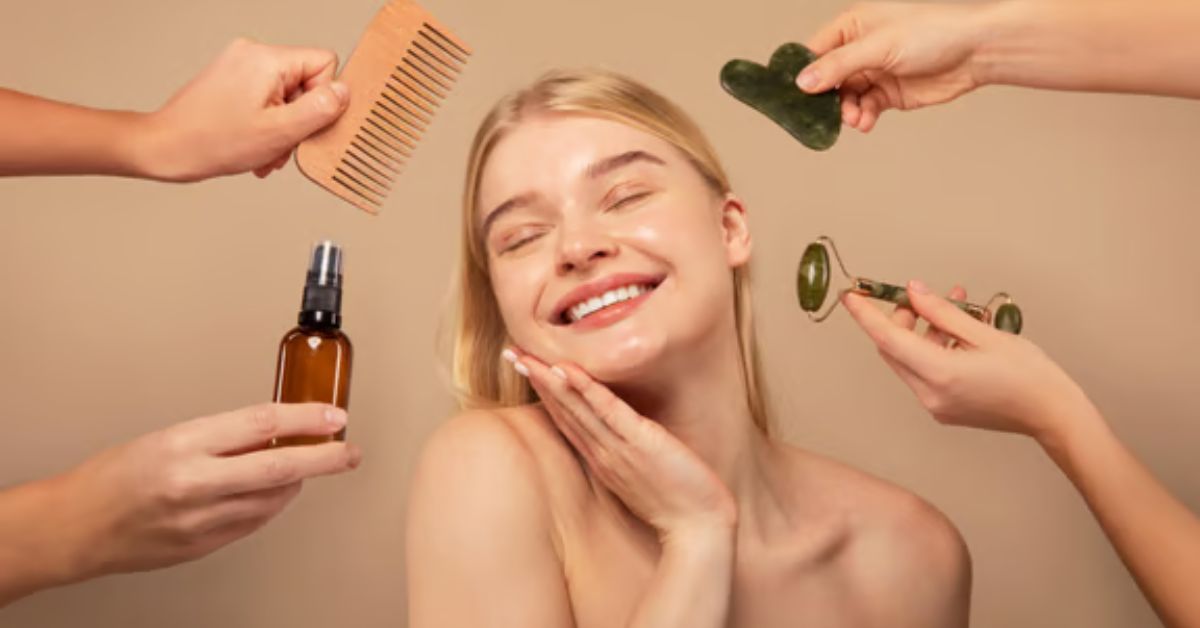
Skincare has become a major part of daily self-care routines around the world. People invest in cleansers, moisturisers, serums, sunscreens, masks, scrubs, and beauty tools to maintain healthy and glowing skin. However, many traditional beauty routines create large amounts of waste through plastic packaging, excessive product consumption, disposable beauty items, and harsh ingredients that may affect the environment over time.
This growing awareness has encouraged more people to learn how to make skincare sustainable. Sustainable skincare focuses on reducing waste, choosing eco-friendly products, supporting ethical beauty brands, and creating simple routines that protect both skin health and the environment.
The good news is that sustainable skincare does not require perfection or expensive luxury products. Small changes such as using refillable packaging, avoiding unnecessary products, recycling containers, and choosing reusable skincare tools can make a meaningful difference over time.
Learning how to make skincare sustainable also helps people become more mindful consumers. Instead of buying products impulsively because of social media trends, sustainable skincare encourages intentional beauty habits that support long-term skin health naturally.
This detailed guide explains how to make skincare sustainable through practical daily habits, eco-friendly beauty choices, healthy skin practices, sustainable shopping tips, ingredient awareness, reusable products, and mindful consumption strategies.
Healthy skin and environmental responsibility can work together through simple and realistic lifestyle choices.
What Is Sustainable Skincare?
Sustainable skincare refers to beauty and skincare habits that reduce environmental harm while supporting healthy skin naturally.
This includes:
- Eco-friendly packaging
- Refillable products
- Reusable beauty tools
- Ethical ingredient sourcing
- Cruelty-free practices
- Minimal waste routines
Why Sustainable Skincare Matters
The beauty industry creates significant waste through:
- Plastic packaging
- Single-use beauty products
- Excessive shipping materials
- Product overconsumption
Benefits of Sustainable Skincare
| Sustainable Habit | Positive Benefit |
|---|---|
| Refillable products | Reduced waste |
| Minimal routines | Less overconsumption |
| Reusable tools | Lower environmental impact |
| Ethical ingredients | Responsible sourcing |
Sustainable skincare supports both personal wellness and environmental care.
Start With a Simple Skincare Routine
One of the easiest ways to make skincare sustainable is simplifying your routine.
Many people buy large numbers of skincare products that are rarely finished before expiration.
Essential Skincare Steps
A simple skincare routine often includes:
- Cleanser
- Moisturiser
- Sunscreen
Why Minimalist Routines Work Better
Simple routines may:
- Reduce product waste
- Save money
- Lower skin irritation
- Prevent unnecessary consumption
Minimalist Skincare Checklist
✔ Use only necessary products
✔ Finish products before replacing them
✔ Avoid buying duplicate items
✔ Focus on quality over quantity
Real-Life Example
A woman reduced her routine from fifteen products to five essentials and noticed healthier skin with less irritation and less bathroom waste.
Simple skincare routines are often easier to maintain consistently.
Choose Sustainable Packaging
Packaging waste is one of the biggest environmental concerns in the skincare industry.
Learning how to make skincare sustainable often begins with smarter packaging choices.
Better Packaging Options
- Glass containers
- Refillable bottles
- Aluminium packaging
- Recyclable cardboard
Packaging Comparison Table
| Packaging Type | Sustainability Benefit |
|---|---|
| Glass jars | Highly recyclable |
| Aluminium tins | Reusable |
| Paper packaging | Biodegradable |
| Refillable containers | Less waste |
Sustainable Packaging Tips
✔ Recycle empty containers
✔ Buy refill packs when possible
✔ Reuse jars creatively
✔ Avoid excessive plastic packaging
Real-Life Example
A skincare enthusiast switched to refillable cleanser bottles and significantly reduced monthly plastic waste.
Small packaging choices create long-term environmental benefits.
Use Reusable Beauty Products
Disposable beauty products create unnecessary waste that quickly accumulates over time.
Common Disposable Products
- Makeup wipes
- Cotton pads
- Sheet masks
- Disposable razors
Eco-Friendly Alternatives
| Disposable Product | Sustainable Alternative |
|---|---|
| Makeup wipes | Reusable cleansing cloths |
| Cotton pads | Washable pads |
| Plastic razors | Metal safety razors |
| Disposable applicators | Reusable beauty tools |
Benefits of Reusable Products
- Lower waste production
- Long-term cost savings
- Reduced environmental impact
Reusable Beauty Checklist
✔ Wash reusable items regularly
✔ Store tools hygienically
✔ Choose durable products
✔ Replace only when necessary
Reusable products help reduce both waste and long-term expenses.
Avoid Overconsumption in Skincare
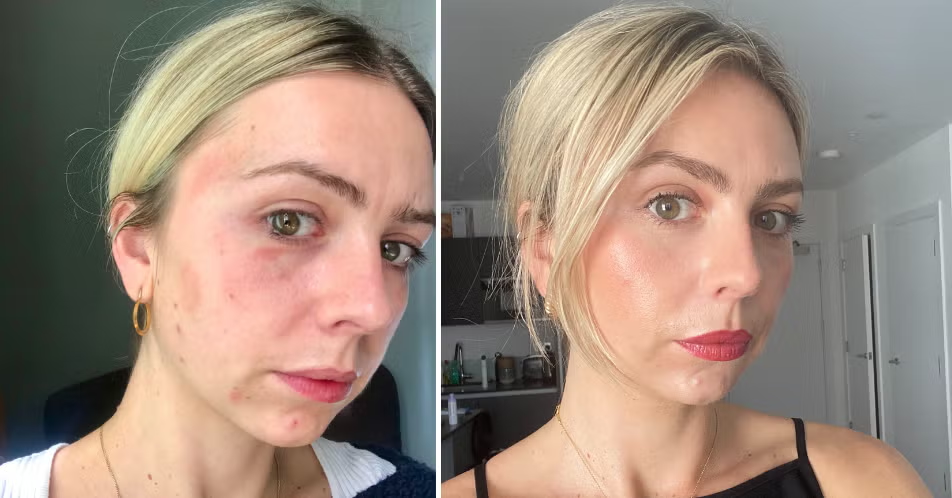
Many skincare purchases are influenced by social media trends, influencer marketing, and fear of missing out.
Learning how to make skincare sustainable requires mindful purchasing habits.
Signs of Skincare Overconsumption
- Unused expired products
- Buying products impulsively
- Constantly changing routines
- Large unused product collections
Smarter Shopping Habits
✔ Buy products based on skin needs
✔ Avoid trend-based purchases
✔ Research products carefully
✔ Finish products before buying more
Real-Life Example
A college student reduced unnecessary spending after creating a skincare shopping list focused only on essential products.
Mindful shopping supports both sustainability and financial wellness.
Support Ethical and Sustainable Beauty Brands
Many skincare companies now focus on sustainability and ethical manufacturing.
Features of Sustainable Brands
- Recyclable packaging
- Cruelty-free testing
- Ethical ingredient sourcing
- Environmentally responsible production
Questions to Ask Before Buying
| Important Question | Why It Matters |
|---|---|
| Is packaging recyclable? | Waste reduction |
| Are ingredients ethically sourced? | Environmental responsibility |
| Is the product cruelty-free? | Ethical beauty support |
Why Brand Transparency Matters
Transparent brands often:
- Share ingredient sourcing details
- Explain sustainability efforts
- Support ethical manufacturing practices
Supporting responsible brands encourages positive industry change.
Choose Gentle and Eco-Friendly Ingredients
Ingredients affect both skin health and environmental impact.
Sustainable Skincare Ingredients
- Aloe vera
- Oat extract
- Shea butter
- Green tea
- Jojoba oil
Benefits of Gentle Ingredients
| Ingredient | Skin Benefit |
|---|---|
| Aloe vera | Hydration support |
| Green tea | Antioxidant support |
| Oat extract | Calming effect |
| Shea butter | Moisture support |
Why Ingredient Awareness Matters
Some harsh ingredients may:
- Irritate skin
- Harm aquatic ecosystems
- Increase sensitivity
Choosing gentle ingredients supports healthier skin naturally.
Reduce Water Waste During Skincare
Water conservation is another important part of sustainable beauty routines.
Common Water-Wasting Habits
- Leaving taps running
- Long showers
- Excessive rinsing
Water-Saving Beauty Tips
✔ Turn off taps while cleansing
✔ Use only necessary water
✔ Shorten shower time
✔ Avoid unnecessary rinsing
Water Conservation Table
| Sustainable Habit | Benefit |
|---|---|
| Shorter showers | Water conservation |
| Turning off taps | Lower waste |
| Efficient cleansing | Reduced water use |
Small water-saving habits create meaningful environmental impact.
Use Reef-Safe Sunscreen
Sunscreen is essential for skin health, but certain sunscreen ingredients may affect marine ecosystems.
Better Sunscreen Choices
Look for:
- Mineral-based formulas
- Zinc oxide
- Titanium dioxide
Benefits of Reef-Safe Sunscreen
| Sunscreen Feature | Benefit |
|---|---|
| Mineral ingredients | Reef-friendly |
| SPF protection | UV defence |
| Fragrance-free formulas | Reduced irritation |
Why Sunscreen Matters
Daily sunscreen use helps:
- Prevent sun damage
- Reduce premature ageing
- Support long-term skin health
Eco-conscious sunscreen choices protect both skin and nature.
Focus on Multi-Purpose Products
Multi-purpose products reduce clutter, packaging waste, and unnecessary consumption.
Examples of Multi-Use Products
- Moisturisers with SPF
- Lip and cheek balms
- Cleansing oils
- Hydrating creams
Benefits of Multi-Purpose Products
| Product Benefit | Sustainability Impact |
|---|---|
| Fewer products needed | Reduced packaging |
| Simplified routine | Less waste |
| Lower product use | Reduced consumption |
Real-Life Example
A traveller simplified her skincare routine using multi-purpose products and reduced both luggage weight and product waste.
Simple routines are often more sustainable long-term.
Learn Proper Recycling Habits
Many beauty containers are recyclable, but improper disposal prevents effective recycling.
Commonly Recyclable Items
- Glass jars
- Cardboard boxes
- Certain plastic containers
- Aluminium tins
Recycling Tips
✔ Clean containers before recycling
✔ Separate packaging materials
✔ Check local recycling guidelines
✔ Reuse containers creatively
Recycling and Sustainability Table
| Recycling Habit | Environmental Benefit |
|---|---|
| Cleaning containers | Better recycling success |
| Reusing jars | Less waste |
| Sorting materials | Easier recycling process |
Responsible disposal supports a cleaner environment.
Sustainable DIY Skincare Habits
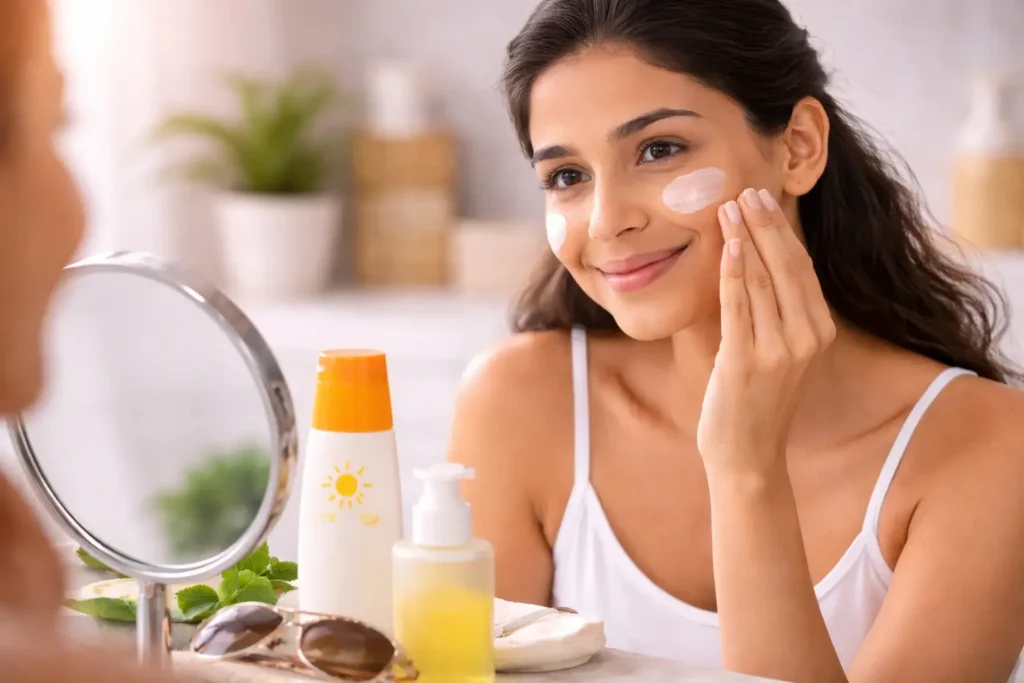
Simple homemade skincare habits may help reduce packaging waste when used responsibly.
Easy DIY Skincare Ideas
- Honey face masks
- Oatmeal scrubs
- Aloe vera gel treatments
- Yogurt masks
DIY Safety Tips
- Patch test ingredients
- Use clean containers
- Avoid harsh scrubs
- Keep recipes simple
DIY Ingredient Table
| DIY Ingredient | Skin Benefit |
|---|---|
| Honey | Moisture support |
| Oatmeal | Gentle exfoliation |
| Aloe vera | Cooling hydration |
Simple homemade skincare can support sustainability when done carefully.
Build Healthy Skin Habits Naturally
Healthy skin depends heavily on lifestyle habits, not only skincare products.
Healthy Lifestyle Habits
- Sleep properly
- Stay hydrated
- Eat balanced meals
- Exercise regularly
- Manage stress
Why Lifestyle Matters
Poor habits may contribute to:
- Acne
- Dull skin
- Premature ageing
- Dryness
Real-Life Example
A woman improved her skin naturally after increasing water intake and improving sleep instead of constantly buying new skincare products.
Healthy skin often begins with healthy daily habits.
Sustainable Skincare for Different Skin Types
Every skin type benefits from sustainable beauty practices.
Oily Skin
- Use lightweight products
- Avoid harsh stripping cleansers
Dry Skin
- Focus on hydration
- Use gentle moisturisers
Sensitive Skin
- Avoid strong fragrances
- Choose calming ingredients
Skin Type Product Table
| Skin Type | Sustainable Product Choice |
|---|---|
| Oily skin | Lightweight gel cleanser |
| Dry skin | Rich hydrating cream |
| Sensitive skin | Fragrance-free products |
Choosing products carefully prevents unnecessary waste and irritation.
Reduce Fast Beauty Consumption
Fast beauty refers to rapidly changing beauty trends encouraging excessive product buying.
Problems With Fast Beauty
- Product waste
- Impulsive shopping
- Expired unused products
- Environmental harm
How to Avoid Fast Beauty Habits
✔ Research before purchasing
✔ Ignore unnecessary trends
✔ Focus on timeless skincare habits
✔ Build realistic routines
Why Slow Beauty Matters
Slow beauty encourages:
- Thoughtful consumption
- Long-term skin health
- Sustainable habits
Mindful skincare supports healthier choices overall.
Eco-Friendly Bathroom Habits
Learning how to make skincare sustainable also includes reducing bathroom waste.
Sustainable Bathroom Tips
- Use reusable towels
- Reduce excessive water use
- Recycle packaging
- Store products properly
Bathroom Sustainability Checklist
✔ Recycle empty containers
✔ Avoid unnecessary disposables
✔ Use reusable products
✔ Minimise water waste
Small bathroom habits contribute to long-term sustainability goals.
Mental Wellness and Sustainable Beauty
Stress often affects both skin health and shopping habits.
Some people buy excessive skincare products during stressful periods seeking quick solutions.
Healthy Stress Management Habits
- Meditation
- Walking outdoors
- Journaling
- Deep breathing
Stress and Skin Health Table
| Healthy Habit | Skin Benefit |
|---|---|
| Better sleep | Healthier skin appearance |
| Stress management | Reduced breakouts |
| Exercise | Better circulation |
Mental wellness supports healthier and more mindful skincare habits.
Why Consistency Matters More Than Trends
Many skincare trends promise instant results, but consistent routines usually produce healthier long-term outcomes.
Benefits of Consistent Routines
- Better skin balance
- Reduced irritation
- Less product waste
- Easier maintenance
Real-Life Example
A skincare lover stopped constantly switching products and experienced improved skin texture after maintaining a consistent simple routine.
Healthy skin improves gradually through regular care.
Long-Term Benefits of Sustainable Skincare
Learning how to make skincare sustainable benefits both people and the environment.
Long-Term Benefits
- Healthier skin
- Reduced environmental impact
- Lower beauty expenses
- Less packaging waste
- More mindful consumption
Why Sustainable Beauty Is Growing
Consumers increasingly want:
- Cleaner ingredients
- Ethical products
- Recyclable packaging
- Low-waste lifestyles
Sustainable skincare continues becoming more popular globally.
Common Mistakes to Avoid
Some people unintentionally create more waste while trying to follow eco-friendly beauty habits.
Common Mistakes
- Buying unnecessary “green” products
- Following every beauty trend
- Throwing away partially used products
- Ignoring ingredient labels
Better Sustainable Choices
| Common Mistake | Better Alternative |
|---|---|
| Excess product buying | Minimal routines |
| Disposable products | Reusable alternatives |
| Ignoring packaging | Recyclable options |
Awareness helps people make smarter long-term decisions.
Final Thoughts:
Learning how to make skincare sustainable is about creating healthier beauty habits that support both skin health and environmental responsibility. Sustainable skincare does not require perfection or expensive products. Small daily changes often create meaningful long-term results.
Simple routines, reusable beauty tools, refillable packaging, ethical brands, mindful shopping, and healthy lifestyle habits all help reduce waste while supporting healthier skin naturally. Reducing unnecessary product purchases and avoiding fast beauty trends also make skincare routines more practical and affordable.
Healthy skin is not built through excessive products or constant trend-following. Consistency, gentle ingredients, hydration, sleep, balanced nutrition, and thoughtful beauty choices often create stronger long-term outcomes.
The best sustainable skincare routine is realistic, simple, and easy to maintain daily. Every small eco-friendly habit contributes to a cleaner environment and a healthier approach to beauty.
Sustainable skincare is not only about protecting the planet. It is also about building mindful routines that support long-term wellness, confidence, and healthier skin naturally.
Must Read:
- Eco-Friendly Skincare Routine Tips for Natural Beauty
- Skin Care Routine Essentials for Men and Women
FAQs:
What does sustainable skincare mean?
Sustainable skincare focuses on reducing environmental impact through eco-friendly products, reusable tools, recyclable packaging, and mindful beauty habits.
How can I reduce skincare waste?
Use reusable beauty products, recycle packaging, avoid overbuying, and choose refillable containers whenever possible.
Are natural skincare products always sustainable?
Not always. Sustainable skincare also depends on packaging, ethical sourcing, manufacturing practices, and product waste reduction.
Why are reusable beauty products important?
Reusable products reduce single-use waste and often save money over time.
Can simple skincare routines improve skin health?
Yes. Simple consistent routines often support healthier skin better than excessive product use.
How does sustainable skincare help the environment?
It reduces plastic waste, lowers overconsumption, supports ethical production, and encourages more responsible beauty habits.