

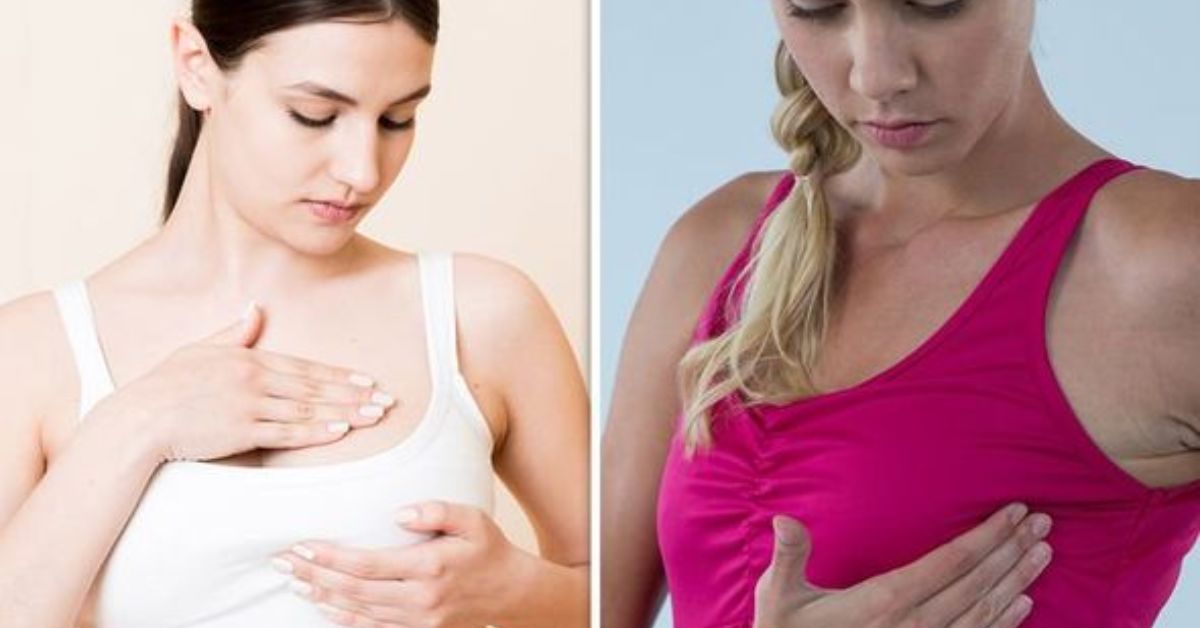
Breast cancer is one of the most common cancers affecting women worldwide. Many cases are successfully treated when detected early, which is why recognising unusual body changes is extremely important. Some symptoms appear clearly, while others are subtle and easy to dismiss as hormonal changes or minor skin irritation.
Many women delay medical check-ups because symptoms seem painless or harmless at first. However, even small changes in the breast area may deserve attention. A lump, skin thickening, nipple discharge, or sudden breast shape changes should never be ignored. Early diagnosis can improve treatment options and support better recovery outcomes.
This guide explains the most important breast cancer symptoms women should watch for, along with risk factors, diagnosis methods, treatment options, and healthy lifestyle habits that may support breast health. The article uses clear and simple language to help readers make informed health decisions for themselves and their families.
What Is Breast Cancer?
Breast cancer occurs when abnormal cells in the breast begin growing uncontrollably. These cells may form a tumour that can spread to nearby tissues or other parts of the body if not treated early.
Breast cancer can develop in different areas of the breast, including milk ducts, lobules, or connective tissues. Some forms grow slowly, while others may spread more aggressively.
Common Types of Breast Cancer
| Type | Description |
|---|---|
| Ductal Carcinoma | Begins in milk ducts |
| Lobular Carcinoma | Starts in milk-producing glands |
| Inflammatory Breast Cancer | Rare but aggressive form |
| Triple Negative Breast Cancer | Fast-growing and harder to treat |
| Metastatic Breast Cancer | Cancer that spreads beyond the breast |
Knowing common symptoms may help women seek medical care before the condition becomes advanced.
Why Early Detection Matters
Early detection plays a major role in successful breast cancer treatment. When cancer is found during its early stages, treatment options are often more effective and less aggressive.
Many women survive breast cancer and continue healthy lives after receiving timely treatment. Regular self-checks, mammograms, and medical screenings may help identify warning signs before cancer spreads.
Benefits of Early Detection
- Better treatment success
- More treatment options
- Lower risk of cancer spread
- Faster recovery chances
- Improved long-term health outcomes
Women should never feel embarrassed about discussing breast changes with a healthcare professional.
7 Breast Cancer Symptoms Women Should Never Ignore
Breast cancer symptoms can vary from person to person. Some women notice physical changes quickly, while others experience mild symptoms that slowly become more noticeable over time. Paying attention to unusual breast changes may help support earlier diagnosis and treatment.
A Lump in the Breast or Underarm
A lump is one of the most recognised breast cancer symptoms. Some lumps feel hard and painless, while others may feel tender or swollen.
Common Signs of a Lump
- Hard breast tissue
- Swelling under the arm
- Thickened area in the breast
- Lump that does not disappear
Not every lump is cancerous, but any unusual growth should be checked by a doctor.
Real-Life Example
A woman in her early 40s may notice a small painless lump during a shower. After a medical scan and biopsy, doctors may identify early-stage breast cancer, allowing treatment to begin quickly with positive results.
Changes in Breast Size or Shape
Sudden changes in breast shape or size may indicate abnormal tissue growth. One breast may appear larger, swollen, or uneven compared to the other.
Possible Breast Changes
- Visible swelling
- Uneven breast appearance
- Thickened breast tissue
- Changes without obvious reason
Many women first notice these changes while dressing or looking in a mirror.
Nipple Discharge
Unexpected nipple discharge that is not linked to breastfeeding should always be evaluated by a doctor. The discharge may appear clear, yellow, or bloody.
Symptoms to Watch For
| Symptom | Possible Concern |
|---|---|
| Bloody discharge | Possible abnormal tissue |
| Clear discharge | Hormonal or breast issue |
| Persistent leakage | Requires medical evaluation |
Discharge from only one nipple may require further testing.
Skin Changes on the Breast
Breast cancer can sometimes affect the skin surrounding the breast. Changes may look similar to irritation or infection.
Skin Warning Signs
- Redness
- Dimpling
- Thickened skin
- Dry or flaky skin
- Orange peel texture
Persistent skin changes should never be ignored, especially if they worsen over time.
Nipple Pain or Nipple Changes
Changes in the nipple area may sometimes signal breast cancer. Some women notice pain, inversion, or unusual sensitivity.
Common Nipple Symptoms
- Nipple turning inward
- Burning sensation
- Pain around nipple area
- Crusting or peeling skin
Even mild nipple changes may deserve medical attention if they continue for several weeks.
Breast Pain That Does Not Go Away
Breast pain is common during hormonal changes, but ongoing pain affecting one area should be checked by a doctor.
Signs of Concerning Pain
- Persistent breast discomfort
- Sharp pain in one location
- Pain unrelated to menstrual cycle
- Pain combined with swelling
While pain alone does not always mean cancer, long-lasting symptoms should be evaluated.
Swelling Around the Collarbone or Underarm

Swollen lymph nodes near the collarbone or underarm may occur when cancer cells spread beyond the breast tissue.
Signs of Swollen Lymph Nodes
- Underarm swelling
- Tenderness near collarbone
- Hard lumps near lymph nodes
- Ongoing swelling
This symptom may appear before a breast lump becomes noticeable.
Risk Factors for Breast Cancer
Several factors may increase the chance of developing breast cancer. Some risk factors are linked to genetics and family history, while others involve age, hormones, and daily lifestyle habits. Knowing these risk factors may help women make informed health decisions and encourage regular breast screening.
Age
Breast cancer risk increases with age, especially after 50. As women grow older, body cells may experience changes that increase the possibility of abnormal cell growth. Although younger women can also develop breast cancer, most cases are diagnosed later in life. Regular screenings become more important with increasing age.
Family History
Women with close relatives diagnosed with breast cancer may face a higher risk themselves. A mother, sister, or daughter with breast cancer may increase the possibility of inherited gene mutations linked to cancer development. Women with strong family history are often encouraged to discuss earlier screening options with their doctor.
Obesity
Excess body weight may increase hormone-related breast cancer risks, especially after menopause. Fat tissue can affect hormone levels such as oestrogen, which may contribute to abnormal breast cell growth. Maintaining a healthy weight through balanced nutrition and regular exercise may support overall health and hormone balance.
Smoking and Alcohol
Smoking exposes the body to harmful chemicals that damage tissues and increase cancer risk. Heavy alcohol intake may also raise breast cancer risk by affecting hormone levels and body function. Reducing alcohol consumption and avoiding smoking may support better long-term health and lower certain cancer-related risks.
Hormonal Factors
Long-term hormone exposure may increase breast cancer risk in some women. Factors such as early menstruation, late menopause, hormone replacement therapy, or delayed pregnancy may affect hormone levels over time. Hormonal influences do not guarantee breast cancer, but they may contribute to higher risk in certain individuals.
Risk Factor Table
| Risk Factor | Possible Impact |
|---|---|
| Age | Higher risk over time |
| Family history | Increased genetic risk |
| Obesity | Hormonal imbalance |
| Smoking | Tissue damage |
| Alcohol | Increased cancer risk |
How Doctors Diagnose Breast Cancer
Doctors use several medical tests to diagnose breast cancer and determine how advanced the condition may be. Early diagnosis may improve treatment success and help doctors choose the most suitable treatment plan. Since many breast symptoms can also be linked to non-cancerous conditions, proper medical testing is important for accurate results.
Physical Breast Examination
During a physical breast examination, doctors carefully check the breasts and underarm areas for lumps, swelling, thickened tissue, or unusual skin changes. They may also examine the nipples for discharge or shape changes. This examination is often one of the first steps used to identify possible breast abnormalities.
Mammogram
A mammogram is a specialised X-ray that helps detect abnormal breast tissue. It may identify small lumps or tissue changes before symptoms become noticeable. Mammograms are commonly used for routine breast cancer screening and may help detect cancer during earlier stages when treatment is often more effective.
Ultrasound
Ultrasound imaging uses sound waves to create detailed images of breast tissue. Doctors often use ultrasound to examine breast lumps more closely and determine whether a lump is solid or filled with fluid. This painless test may provide additional information after a mammogram or physical examination.
MRI Scan
MRI scans create highly detailed images of the breast using magnetic fields and radio waves. Doctors may recommend MRI scans for women with higher breast cancer risk or when additional imaging is needed. MRI technology may help identify abnormalities that are difficult to detect through other screening methods.
Biopsy
A biopsy is considered the most reliable method for confirming breast cancer. During this procedure, doctors remove a small tissue sample from the breast using a needle or minor surgical procedure. The sample is examined in a laboratory to check for cancer cells and determine the type and severity of the condition.
Common Diagnostic Tests
- Mammogram
- Ultrasound
- MRI scan
- Needle biopsy
- Blood tests
Early diagnosis often improves treatment success rates significantly.
Treatment Options for Breast Cancer
Breast cancer treatment depends on the type of cancer, tumour size, stage of the disease, and the patient’s overall health. Some women may receive a single treatment, while others may need a combination of therapies to control cancer growth and reduce the risk of recurrence.
Surgery
Surgery is one of the most common treatments for breast cancer. Doctors may remove only the tumour or, in some cases, the entire breast depending on the size and spread of the cancer. Surgery may also involve removing nearby lymph nodes to check whether cancer has spread beyond the breast tissue.
Radiation Therapy
Radiation therapy uses high-energy rays to destroy cancer cells and reduce the chance of cancer returning after surgery. It may be used as the main treatment or alongside other therapies. Radiation targets specific areas of the breast while aiming to minimise damage to surrounding healthy tissue.
Chemotherapy
Chemotherapy uses powerful medicines to destroy rapidly growing cancer cells throughout the body. Doctors may recommend chemotherapy before surgery to shrink tumours or after surgery to destroy remaining cancer cells. This treatment may also help slow cancer growth when the disease has spread beyond the breast.
Hormone Therapy
Hormone therapy is used for hormone-sensitive breast cancers that rely on hormones such as oestrogen or progesterone to grow. This treatment helps block or lower hormone levels in the body, which may slow cancer growth and reduce the risk of cancer returning after treatment.
Targeted Therapy
Targeted therapy attacks specific proteins or genes linked to breast cancer growth while reducing damage to healthy cells. These treatments are often used for certain types of breast cancer and may be combined with chemotherapy or other therapies to improve treatment effectiveness and long-term outcomes.
Lifestyle Habits That May Support Breast Health

Healthy daily habits may support overall wellness and help lower certain breast cancer risks. While lifestyle changes cannot guarantee prevention, maintaining healthy routines may improve immune function, hormone balance, and overall body health. Small long-term changes may positively affect both physical and emotional wellbeing.
Eat Nutritious Foods
A healthy diet rich in fruits, vegetables, fibre, lean proteins, and healthy fats may support better body function and overall health. Foods containing antioxidants and vitamins may help protect body cells from damage. Many experts encourage reducing processed foods, sugary drinks, and unhealthy fats as part of a balanced eating plan.
Stay Physically Active
Regular physical activity may help maintain healthy body weight, improve circulation, and support hormone balance. Activities such as walking, cycling, swimming, or strength training may also help improve energy levels and reduce stress. Consistent exercise may contribute to better long-term health and wellness.
Limit Alcohol Intake
Reducing alcohol consumption may help lower breast cancer risk in some women. Heavy alcohol intake can affect hormone levels and overall body function. Drinking in moderation or limiting alcohol completely may support healthier lifestyle habits and improve overall wellbeing over time.
Avoid Smoking
Smoking damages body tissues and exposes the body to harmful chemicals linked to several cancers. Avoiding smoking may support lung health, blood circulation, and immune function while helping lower long-term health risks. Quitting smoking may also improve overall quality of life and physical health.
Maintain Healthy Weight
Healthy weight management may support better hormonal balance and reduce obesity-related health risks. Excess body fat can affect hormone levels linked to certain breast cancers. Maintaining a balanced diet and regular exercise routine may help support healthier body function and long-term wellness.
Foods That May Support Breast Health
| Food | Possible Benefit |
|---|---|
| Berries | Rich in antioxidants |
| Leafy greens | Support immune health |
| Nuts | Healthy fats and nutrients |
| Fish | Omega-3 support |
| Whole grains | Fibre and digestion support |
Breast Self-Check Checklist
Regular self-checks may help women notice unusual breast changes earlier.
What to Look For
- New breast lump
- Swelling
- Skin dimpling
- Nipple inversion
- Unusual discharge
- Persistent breast pain
- Underarm swelling
Women should report unusual symptoms to a healthcare professional promptly.
Emotional Impact of Breast Cancer
Breast cancer affects both physical and emotional health. Many women experience fear, stress, anxiety, or emotional exhaustion during diagnosis and treatment.
Common Emotional Challenges
- Anxiety about treatment
- Fear of recurrence
- Body image concerns
- Relationship stress
- Sleep problems
Support from family, friends, healthcare providers, and counselling services may help women cope emotionally during treatment and recovery.
When to See a Doctor
Women should seek medical advice if unusual breast changes continue for more than a few weeks.
Important Warning Signs
- Persistent lump
- Bloody nipple discharge
- Breast swelling
- Ongoing pain
- Skin texture changes
- Swollen lymph nodes
Early medical evaluation may help identify problems before they become more serious.
Common Myths About Breast Cancer
Many myths prevent women from seeking screening or medical care.
Myth 1: Only Older Women Get Breast Cancer
Younger women can also develop breast cancer, although risk increases with age.
Myth 2: Breast Cancer Always Causes Pain
Some breast cancers cause no pain during early stages.
Myth 3: Small Lumps Are Harmless
Even small lumps should be medically evaluated.
Myth 4: Family History Is Always Required
Women without family history can still develop breast cancer.
Final Thoughts:
Breast cancer symptoms should never be ignored, even when they seem small or painless. A lump, skin change, nipple discharge, swelling, or persistent discomfort may signal changes inside the breast that require medical attention. Early action can lead to faster diagnosis, more treatment options, and improved recovery chances.
Many women hesitate to seek help because symptoms appear mild or because they fear the possibility of cancer. However, regular breast awareness and routine screening remain important parts of long-term health. Paying attention to unusual body changes may help support earlier medical care and better health outcomes.
Healthy lifestyle habits such as balanced nutrition, exercise, weight management, and avoiding smoking may also support overall wellness. While no method guarantees prevention, healthier routines can improve quality of life and support long-term wellbeing.
Speaking openly about breast health may encourage more women to seek screenings and medical advice without delay. Early attention to symptoms has the potential to save lives.
Must Read:
FAQs:
What is the most common early symptom of breast cancer?
A breast lump is one of the most common early symptoms, although some women notice skin or nipple changes first.
Does breast cancer always cause pain?
No. Many early breast cancers are painless.
Can young women get breast cancer?
Yes. Although risk increases with age, younger women can also develop breast cancer.
Is nipple discharge always a sign of cancer?
No. Hormonal changes and infections may also cause discharge, but medical evaluation is important.
How often should women perform breast self-checks?
Many experts recommend monthly self-checks along with regular medical screenings.
Can lifestyle habits affect breast cancer risk?
Healthy eating, exercise, avoiding smoking, and limiting alcohol intake may help support overall health and lower certain risks.