
Pregnancy changes the body in many ways. Hormones shift, energy levels change, and the body works harder to support a growing baby. During this time, some women develop high blood sugar levels even if they never had diabetes before pregnancy. This condition is called gestational diabetes.
Many expecting mothers feel worried after hearing the diagnosis. Questions quickly follow. What causes gestational diabetes? Can it harm the baby? Is it permanent? Can it be controlled naturally? These concerns are common, and proper information can make a huge difference.
Gestational diabetes develops when the body cannot use insulin properly during pregnancy. Insulin helps move sugar from the blood into the cells for energy. Pregnancy hormones can interfere with this process, causing blood sugar levels to rise. Some women produce enough extra insulin to compensate, while others do not.
The good news is that many women manage gestational diabetes successfully through healthy eating, regular movement, stress control, proper sleep, and medical guidance. Early diagnosis and lifestyle adjustments often lead to healthy pregnancies and safe deliveries.
This detailed guide explains what causes gestational diabetes, symptoms to watch for, major risk factors, treatment options, food choices, exercise tips, prevention strategies, and ways to support both mother and baby throughout pregnancy.
What Is Gestational Diabetes?
Gestational diabetes is a type of diabetes that develops during pregnancy. It usually appears during the second or third trimester. Blood sugar levels become higher than normal because the body cannot use insulin effectively.
To explain what causes gestational diabetes, it helps to understand insulin first. Insulin is a hormone produced by the pancreas. Its job is to help glucose move from the bloodstream into the body’s cells where it becomes energy.
During pregnancy, the placenta produces hormones that help the baby grow. Some of these hormones block insulin from working properly. As a result, the body needs more insulin than usual.
If the pancreas cannot produce enough insulin to overcome this resistance, blood sugar rises and gestational diabetes develops.
Gestational diabetes often disappears after childbirth. However, women who experience it have a greater chance of developing type 2 diabetes later in life.
Quick Facts About Gestational Diabetes
| Fact | Details |
|---|---|
| Usually develops | During the second or third trimester |
| Main problem | High blood sugar during pregnancy |
| Common treatment | Diet, exercise, monitoring |
| May disappear after birth | Yes |
| Future health risk | Higher chance of type 2 diabetes |
How Pregnancy Affects Blood Sugar Levels
Pregnancy naturally changes how the body processes sugar. Hormones produced by the placenta help the baby grow properly, but they can also reduce insulin sensitivity.
This means glucose stays in the bloodstream longer instead of moving into cells for energy. To compensate, the pancreas produces more insulin.
Some women can produce enough extra insulin. Others cannot keep up with the body’s increased needs. This is one major answer to what causes gestational diabetes.
As pregnancy progresses, insulin resistance usually increases. That is why many women develop gestational diabetes after 24 weeks of pregnancy.
Hormones That Affect Insulin
- Estrogen
- Progesterone
- Cortisol
- Human placental lactogen
- Growth hormones
These hormones are essential for pregnancy but may interfere with blood sugar regulation.
What Causes Gestational Diabetes?
Several factors work together to cause gestational diabetes. Hormonal changes, genetics, body weight, and lifestyle habits all affect how the body controls blood sugar during pregnancy.
Hormonal Changes
During pregnancy, the placenta produces hormones that help the baby grow. These hormones can reduce how effectively insulin works inside the body. As insulin resistance increases, blood sugar levels may rise, especially during the second and third trimesters of pregnancy.
Insulin Resistance
Insulin resistance happens when body cells stop responding properly to insulin. Instead of entering the cells for energy, glucose remains in the bloodstream. The pancreas works harder to produce more insulin, but sometimes it cannot meet the increased demand during pregnancy.
Genetics
Family history can strongly affect what causes gestational diabetes. Women with parents or close relatives who have diabetes often face a higher risk. Certain genetic traits may influence how the body produces insulin and controls blood sugar during pregnancy.
Excess Weight
Being overweight before pregnancy may increase the risk of gestational diabetes. Extra body fat can make insulin less effective, leading to higher blood sugar levels. Healthy weight management before and during pregnancy may help support better glucose control naturally.
Physical Inactivity
Low physical activity levels may reduce the body’s ability to use insulin properly. Regular movement helps muscles absorb glucose more effectively. Women who remain inactive during pregnancy may experience higher insulin resistance and greater difficulty controlling blood sugar levels naturally.
Previous Gestational Diabetes
Women who experienced gestational diabetes during a previous pregnancy are more likely to develop it again. The body may continue showing insulin resistance tendencies during future pregnancies. Regular monitoring and healthy lifestyle habits can help reduce complications and improve pregnancy health.
Causes and Effects Table
| Cause | Effect |
|---|---|
| Pregnancy hormones | Reduce insulin sensitivity |
| Genetics | Raise diabetes risk |
| Excess weight | Increase insulin resistance |
| Inactivity | Lower glucose control |
| Poor eating habits | Cause blood sugar spikes |
Hormonal Changes During Pregnancy
Hormones are one of the biggest reasons behind gestational diabetes. The placenta creates hormones that help the baby grow and receive nutrients. At the same time, these hormones can make it harder for insulin to function properly.
The pancreas responds by producing more insulin. If the body cannot keep up with demand, blood sugar rises.
This explains why healthy women with no previous diabetes history may still develop gestational diabetes.
Real-Life Example
A woman may have eaten bread, fruit, and rice regularly before pregnancy without issues. During pregnancy, the same meals may suddenly raise blood sugar levels because insulin no longer works as effectively.
This change often surprises many expecting mothers.
Risk Factors Linked to Gestational Diabetes
Some women have a higher risk of developing gestational diabetes than others.
Common Risk Factors
- Family history of diabetes
- Age over 25
- Previous gestational diabetes
- Excess body weight
- Sedentary lifestyle
- Polycystic ovary syndrome (PCOS)
- High blood pressure
- Prediabetes
- Previous large baby birth
These factors help explain what causes gestational diabetes in certain pregnancies.
Risk Factor Checklist
| Risk Factor | Increased Risk |
|---|---|
| Family history | Yes |
| PCOS | Yes |
| Excess weight | Yes |
| Physical inactivity | Yes |
| Healthy lifestyle | Lower risk |
Signs and Symptoms of Gestational Diabetes
Many women have no symptoms at all. That is why routine screening during pregnancy is so important.
Still, some symptoms may appear when blood sugar levels rise.
Common Symptoms
- Increased thirst
- Frequent urination
- Fatigue
- Blurred vision
- Dry mouth
- Increased hunger
- Repeated infections
These symptoms may look similar to normal pregnancy changes, which is why blood tests matter.
How Doctors Diagnose Gestational Diabetes

Doctors usually screen pregnant women for gestational diabetes between 24 and 28 weeks of pregnancy. Early testing helps identify high blood sugar levels before complications affect the mother or baby. These tests are simple, common, and important for maintaining a healthy pregnancy.
Glucose Screening Test
During the glucose screening test, the pregnant woman drinks a sweet liquid containing glucose. After one hour, a blood sample checks how the body processes sugar. High blood sugar results may indicate possible gestational diabetes and require additional testing for confirmation.
Oral Glucose Tolerance Test
If the first screening result is abnormal, doctors perform an oral glucose tolerance test. The mother drinks another glucose solution, and blood sugar levels are measured several times over a few hours to confirm whether gestational diabetes is present during pregnancy.
Diagnosis Table
| Test | Purpose |
|---|---|
| Glucose screening | Initial blood sugar check |
| Fasting glucose | Measures fasting sugar levels |
| Oral glucose tolerance test | Confirms diagnosis |
Early diagnosis allows quicker treatment and lowers pregnancy risks.
Effects of Gestational Diabetes on Mother and Baby
Uncontrolled gestational diabetes can create health problems for both mother and child.
Possible Effects on Mothers
- High blood pressure
- Difficult delivery
- Higher C-section risk
- Increased future diabetes risk
Possible Effects on Babies
- Large birth weight
- Breathing difficulties
- Premature birth
- Low blood sugar after delivery
Learning what causes gestational diabetes helps families take action early and improve pregnancy outcomes.
Pregnancy Complications Linked to Gestational Diabetes
If blood sugar remains uncontrolled, complications may occur.
Common Complications
| Complication | Description |
|---|---|
| Macrosomia | Baby grows too large |
| Preeclampsia | Pregnancy-related high blood pressure |
| Premature birth | Baby arrives early |
| Birth injuries | Delivery difficulties |
| Neonatal hypoglycemia | Low blood sugar in newborn |
Proper treatment lowers the risk of serious complications significantly.
Foods That Help Control Blood Sugar
Healthy nutrition plays a major role in managing gestational diabetes. Balanced meals help reduce sudden blood sugar spikes and support steady energy levels throughout the day.
Best Foods for Gestational Diabetes
High-Fibre Foods
- Oats
- Brown rice
- Lentils
- Beans
- Vegetables
Lean Protein Sources
- Eggs
- Chicken
- Fish
- Greek yogurt
- Tofu
Healthy Fats
- Nuts
- Seeds
- Olive oil
- Avocados
Healthy Food Choices Table
| Food Group | Best Options |
|---|---|
| Whole grains | Oats, quinoa, brown rice |
| Protein | Chicken, eggs, tofu |
| Vegetables | Broccoli, spinach, cucumber |
| Healthy fats | Almonds, walnuts, avocado |
| Fruits | Apples, berries, pears |
Balanced nutrition supports healthier blood sugar levels and helps both mother and baby stay healthier during pregnancy.
Foods to Limit During Pregnancy
Certain foods may raise blood sugar very quickly. Reducing these foods often helps control gestational diabetes more effectively.
Foods to Reduce
- Sugary drinks
- Candy
- White bread
- Cakes and pastries
- Fried foods
- Processed snacks
- Sugary breakfast cereals
Smart Food Swaps
| Instead Of | Choose |
|---|---|
| Soda | Water with lemon |
| White bread | Whole grain bread |
| Sugary desserts | Fresh fruit |
| Chips | Nuts or seeds |
Small food changes can create noticeable improvements in blood sugar management.
Sample Meal Plan for Gestational Diabetes
A balanced meal plan helps control blood sugar while providing nutrients needed during pregnancy.
Breakfast
- Oatmeal with chia seeds
- Boiled eggs
- Unsweetened tea
Morning Snack
- Apple slices with peanut butter
Lunch
- Grilled chicken
- Brown rice
- Mixed vegetables
Afternoon Snack
- Greek yogurt with nuts
Dinner
- Salmon or tofu
- Quinoa
- Salad with olive oil dressing
Evening Snack
- Handful of almonds
Eating smaller meals throughout the day often helps maintain stable glucose levels.
Best Exercises During Pregnancy

Regular movement improves insulin sensitivity and helps lower blood sugar naturally.
Safe Pregnancy Exercises
- Walking
- Swimming
- Prenatal yoga
- Stretching
- Light strength training
Exercise Benefits Table
| Benefit | Positive Effect |
|---|---|
| Better insulin use | Lower blood sugar |
| Weight support | Reduced complications |
| Better sleep | Improved energy |
| Stress reduction | Hormone balance |
Women should always speak with a healthcare provider before beginning a new exercise routine during pregnancy.
Weight Management During Pregnancy
Healthy weight gain supports a safer pregnancy. Excessive weight gain may increase insulin resistance and blood sugar problems.
Healthy Weight Tips
- Eat balanced meals
- Avoid overeating
- Stay physically active
- Drink enough water
- Avoid sugary beverages
- Control portion sizes
Crash dieting during pregnancy is unsafe. The goal is balanced nutrition, not rapid weight loss.
Stress and Sleep Effects on Blood Sugar
Stress hormones can affect blood sugar control during pregnancy. Poor sleep may also increase cravings for sugary foods and worsen insulin resistance.
Better Sleep Habits
- Sleep at consistent times
- Reduce screen use before bed
- Limit caffeine intake
- Create a comfortable sleep environment
Stress Management Ideas
- Deep breathing
- Meditation
- Light walking
- Talking with loved ones
- Prenatal yoga
Managing stress supports better emotional and physical health during pregnancy.
Can Gestational Diabetes Be Prevented?
Not every case can be prevented, but healthy habits may lower the risk significantly.
Prevention Tips
- Maintain a healthy weight before pregnancy
- Stay physically active
- Eat balanced meals
- Attend prenatal checkups
- Avoid excessive sugary foods
- Monitor pregnancy weight gain
Women with strong family histories of diabetes may still develop gestational diabetes even with healthy habits. However, healthy choices often improve pregnancy outcomes.
Treatment Options for Gestational Diabetes
Treatment for gestational diabetes focuses on controlling blood sugar levels and reducing pregnancy complications. Doctors usually recommend lifestyle changes first, including healthy eating and regular physical activity. Some women may also need medication or insulin support to maintain safe glucose levels during pregnancy.
Healthy Eating
A balanced diet is often the first step in gestational diabetes treatment. Doctors usually recommend meals rich in fibre, lean protein, healthy fats, vegetables, and whole grains. Reducing sugary foods and controlling portion sizes can help stabilise blood sugar throughout the day naturally.
Physical Activity
Regular physical activity helps the body use insulin more effectively. Simple exercises like walking, swimming, prenatal yoga, or stretching may improve blood sugar control during pregnancy. Staying active also supports healthy weight management, better energy levels, and improved overall pregnancy health.
Blood Sugar Monitoring
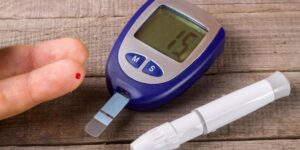
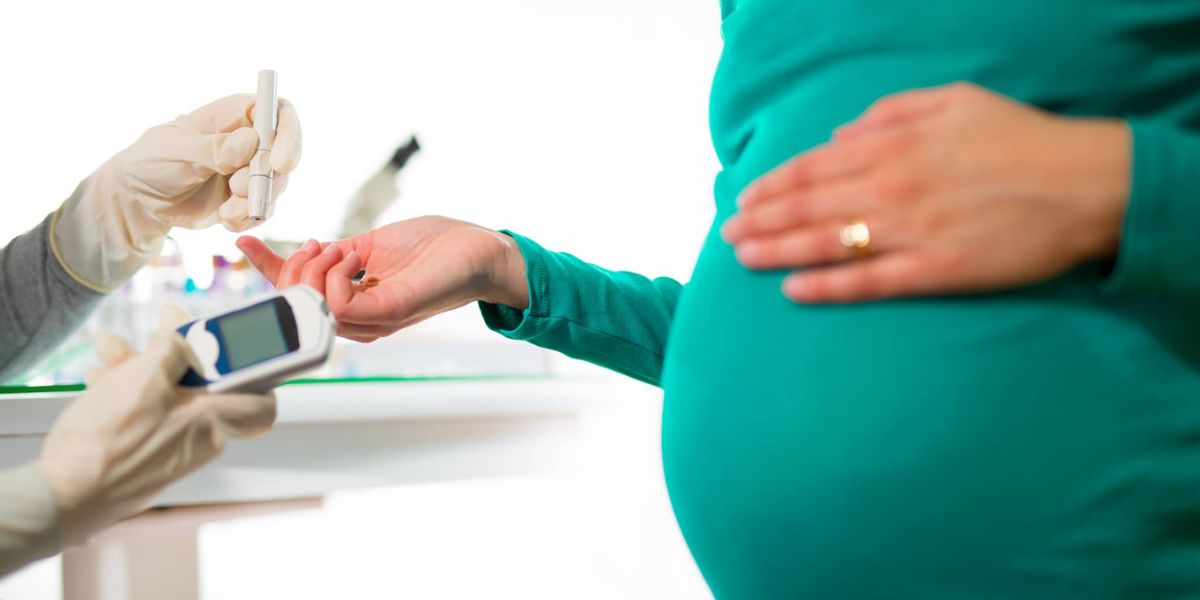
Doctors may recommend checking blood sugar levels several times daily using a glucose monitor. Regular monitoring helps track how food, exercise, stress, and medication affect glucose levels. This information allows doctors to adjust treatment plans and reduce pregnancy-related complications more effectively.
Medication or Insulin
Some women may need insulin injections or diabetes medication if healthy eating and exercise alone do not control blood sugar properly. Doctors carefully monitor treatment to protect both mother and baby while reducing the risk of serious pregnancy complications during delivery.
Treatment Goals
| Goal | Purpose |
|---|---|
| Stable blood sugar | Protect mother and baby |
| Healthy weight gain | Reduce complications |
| Balanced nutrition | Support baby development |
| Regular monitoring | Catch problems early |
Most women successfully manage gestational diabetes with proper support and consistency.
Life After Pregnancy
Gestational diabetes often disappears after childbirth, but future health monitoring remains important.
Women who had gestational diabetes have a greater chance of developing type 2 diabetes later in life.
Healthy Postpartum Habits
- Continue regular exercise
- Eat balanced meals
- Attend follow-up appointments
- Monitor blood sugar if recommended
- Maintain a healthy weight
Breastfeeding may also help support healthier blood sugar regulation after delivery.
Long-Term Health Risks
Gestational diabetes can increase future health risks for both mother and child.
Possible Long-Term Risks for Mothers
- Type 2 diabetes
- Heart disease
- Future gestational diabetes pregnancies
Possible Long-Term Risks for Children
- Childhood obesity
- Higher diabetes risk later in life
Healthy lifestyle habits after pregnancy can help reduce these risks.
When to Contact a Doctor
Pregnant women should contact a healthcare provider if they experience concerning symptoms.
Warning Signs
- Severe thirst
- Blurred vision
- Extreme fatigue
- Reduced baby movement
- Severe headaches
- Persistent high blood sugar readings
Early medical support can prevent complications and improve pregnancy safety.
Healthy Pregnancy Checklist
Daily Healthy Habits
- Eat balanced meals
- Drink enough water
- Stay active
- Monitor blood sugar
- Sleep well
- Reduce stress
- Attend prenatal visits
- Avoid smoking and alcohol
Small daily habits often create the biggest long-term improvements during pregnancy.
Common Myths About Gestational Diabetes
Many myths create confusion and unnecessary fear.
Myth 1: Only Overweight Women Get Gestational Diabetes
Healthy-weight women can also develop the condition because hormones play a major role.
Myth 2: Gestational Diabetes Means the Baby Will Be Unhealthy
Many women with gestational diabetes deliver healthy babies with proper care.
Myth 3: Sugar Alone Causes Gestational Diabetes
What causes gestational diabetes is more complicated than simply eating sugar. Hormones, genetics, insulin resistance, and lifestyle factors all contribute.
Myth 4: Gestational Diabetes Always Becomes Permanent Diabetes
In many cases, blood sugar levels return to normal after childbirth.
Emotional Effects of Gestational Diabetes
A diagnosis can create stress, fear, and anxiety for expecting mothers.
Some women feel guilty or blame themselves. Others worry constantly about their baby’s health.
Support from healthcare providers, family, and friends can make a huge difference.
Emotional Support Tips
- Ask questions during appointments
- Join pregnancy support groups
- Focus on healthy habits instead of fear
- Celebrate small progress
- Speak openly with loved ones
Gestational diabetes management becomes easier with emotional support and proper information.
Simple Daily Routine for Better Blood Sugar Control
Creating a healthy daily routine can help manage blood sugar naturally.
Morning
- Eat a protein-rich breakfast
- Drink water
- Take a short walk
Afternoon
- Eat balanced meals
- Avoid sugary snacks
- Stay active
Evening
- Eat dinner earlier when possible
- Avoid heavy sugary desserts
- Relax before bedtime
Consistency matters more than perfection.
Must Read:
FAQs:
Can gestational diabetes harm the baby?
Yes, uncontrolled gestational diabetes may increase the risk of complications. However, proper treatment greatly reduces these risks.
Does gestational diabetes go away after birth?
In many cases, blood sugar returns to normal after delivery. Follow-up testing is still important.
Can healthy women develop gestational diabetes?
Yes. Hormonal changes during pregnancy can affect insulin function even in healthy women.
What foods should be avoided?
Sugary drinks, processed snacks, white bread, pastries, and excessive sweets should be limited.
Is exercise safe during gestational diabetes?
Light to moderate exercise is often recommended, but women should always consult their healthcare provider first.
Can gestational diabetes return in future pregnancies?
Yes. Women who had gestational diabetes once have a higher chance of experiencing it again.
Final Thoughts:
Gestational diabetes is common, but it can feel overwhelming at first. Learning what causes gestational diabetes helps expecting mothers make informed decisions and reduce unnecessary fear.
Hormonal changes, insulin resistance, genetics, body weight, lifestyle habits, and family history all play important roles. The condition is not a personal failure, and many healthy women develop it during pregnancy.
The good news is that gestational diabetes is manageable in many cases. Healthy meals, regular movement, stress control, proper sleep, and regular medical care often help women maintain healthier blood sugar levels throughout pregnancy.
Early diagnosis is extremely important. Routine screening allows doctors to catch blood sugar problems before serious complications develop. With proper treatment, many women go on to have healthy pregnancies and healthy babies.
Simple daily habits can make a major difference. Choosing whole foods, limiting sugary snacks, staying physically active, monitoring blood sugar, and attending prenatal visits all support better pregnancy outcomes.
Life after pregnancy matters too. Women who experience gestational diabetes should continue healthy habits because the condition may increase future diabetes risk. Long-term prevention often starts with small consistent lifestyle choices after delivery.
Pregnancy already brings many emotional and physical changes. Support from healthcare providers, loved ones, and reliable information can help women feel more confident during this journey.
Knowing what causes gestational diabetes gives mothers the knowledge needed to protect both their health and their baby’s future.