


Healthy eating plays a major role in improving energy, supporting heart health, maintaining a healthy weight, and reducing the risk of long-term health problems. Many people want to eat better but feel confused by changing diet trends, processed food marketing, and unrealistic meal plans. The Australian Guide to Healthy Eating offers a practical and balanced approach that helps people make smarter food choices without extreme restrictions.
The Australian Guide to Healthy Eating encourages people to enjoy a variety of nutritious foods from all major food groups. Instead of focusing on strict dieting, the guide promotes balance, portion awareness, hydration, and healthier daily habits. This approach supports both physical and mental wellbeing while fitting into real everyday life.
Modern lifestyles often include fast food, sugary drinks, irregular meal times, and high stress levels. These habits can affect weight, digestion, sleep, and overall health. A balanced eating pattern can help improve concentration, mood, immunity, and long-term wellness for both adults and children.
This detailed guide explains the Australian Guide to Healthy Eating, including food groups, portion recommendations, meal planning ideas, healthy snack options, hydration tips, weight management strategies, and practical ways to build healthier eating habits for a better lifestyle.
What Is the Australian Guide to Healthy Eating?
The Australian Guide to Healthy Eating is a nutrition model designed to help people eat balanced meals from different food groups. It encourages variety, moderation, and healthier food choices while limiting highly processed foods and added sugars.
The guide uses a simple visual plate model that shows the recommended proportions of healthy foods people should eat regularly.
Main Goals of the Guide
- Promote balanced nutrition
- Support healthy body weight
- Improve overall health
- Reduce chronic disease risk
- Encourage healthy eating habits
The guide is suitable for children, adults, families, and older individuals who want a practical approach to nutrition.
Core Food Groups
| Food Group | Examples |
|---|---|
| Vegetables | Broccoli, spinach, carrots |
| Fruits | Apples, bananas, berries |
| Grains | Brown rice, oats, whole grain bread |
| Protein foods | Fish, eggs, beans, chicken |
| Dairy or alternatives | Milk, yogurt, cheese |
The guide also encourages limiting foods high in salt, sugar, and unhealthy fats.
Why Healthy Eating Matters
Healthy eating affects nearly every part of the body. Food provides energy, nutrients, vitamins, minerals, and fibre that support daily function and long-term health.
Poor eating habits may increase the risk of obesity, diabetes, heart disease, digestive problems, and low energy levels.
Benefits of Healthy Eating
- Better energy levels
- Improved digestion
- Stronger immunity
- Healthier weight management
- Better concentration
- Improved sleep quality
- Reduced disease risk
Healthy eating also supports emotional wellbeing and mental focus.
Vegetables and Legumes in the Australian Guide to Healthy Eating
Vegetables are one of the most important parts of the Australian Guide to Healthy Eating. They provide fibre, vitamins, antioxidants, and minerals that support overall health.
Legumes such as lentils and beans are also excellent sources of plant protein and fibre.
Best Vegetable Choices
- Spinach
- Carrots
- Broccoli
- Tomatoes
- Cucumbers
- Sweet potatoes
Benefits of Vegetables
| Benefit | Impact |
|---|---|
| Fibre | Supports digestion |
| Vitamins | Boost immunity |
| Low calories | Supports weight control |
| Antioxidants | Protect cells |
Eating colourful vegetables daily helps improve nutrient variety.
Fruits and Their Importance
Fruits provide natural sweetness along with important vitamins, fibre, and antioxidants. The Australian Guide to Healthy Eating encourages regular fruit intake as part of a balanced diet.
Healthy Fruit Choices
- Apples
- Oranges
- Bananas
- Berries
- Pears
- Grapes
Fresh fruit is generally healthier than sugary fruit juices because it contains more fibre.
Real-Life Example
Someone who replaces sugary desserts with fresh fruit may naturally reduce calorie intake while still satisfying sweet cravings.
Whole Grains and Healthy Carbohydrates

Carbohydrates provide energy for the body and brain. The Australian Guide to Healthy Eating encourages whole grains instead of highly processed refined grains.
Best Whole Grain Foods
- Brown rice
- Oats
- Whole grain bread
- Quinoa
- Whole wheat pasta
Whole grains digest more slowly and help maintain stable energy levels.
Whole Grains vs Refined Grains
| Whole Grains | Refined Grains |
|---|---|
| Higher fibre | Lower fibre |
| More nutrients | Fewer nutrients |
| Better fullness | Faster hunger |
Choosing whole grains regularly supports better digestion and appetite control.
Protein Foods for Strength and Health
Protein supports muscle repair, energy, hormones, and overall body function.
The Australian Guide to Healthy Eating recommends a variety of protein sources, including plant-based options.
Healthy Protein Sources
- Fish
- Chicken
- Eggs
- Lentils
- Beans
- Tofu
- Nuts
Protein Benefits
| Benefit | Result |
|---|---|
| Muscle support | Better strength |
| Fullness | Reduced hunger |
| Tissue repair | Faster recovery |
Balanced protein intake supports both active lifestyles and healthy ageing.
Dairy and Dairy Alternatives
Dairy foods provide calcium and protein, which support bone and muscle health.
Healthy Dairy Choices
- Milk
- Greek yogurt
- Cheese
- Calcium-fortified plant milk
Low-fat options may help reduce saturated fat intake for some individuals.
Dairy Benefits
- Supports bone health
- Provides protein
- Helps muscle function
- Supports teeth strength
People who avoid dairy can choose fortified alternatives.
Healthy Fats and Oils
Healthy fats are important for hormone production, brain function, and nutrient absorption.
The Australian Guide to Healthy Eating encourages moderate intake of healthy fats instead of heavily processed oils.
Healthy Fat Sources
- Olive oil
- Avocados
- Nuts
- Seeds
- Fatty fish
Healthy Fat Table
| Healthy Fat | Benefit |
|---|---|
| Olive oil | Heart health |
| Nuts | Healthy energy |
| Avocado | Nutrient absorption |
| Fish | Omega-3 support |
Balanced fat intake supports long-term wellness.
Foods to Limit
The Australian Guide to Healthy Eating encourages reducing highly processed foods.
Foods to Reduce
- Sugary drinks
- Fast food
- Processed snacks
- Candy
- Fried foods
- Excess alcohol
These foods often contain high amounts of sugar, salt, unhealthy fats, and empty calories.
Better Food Swaps
| Instead Of | Try |
|---|---|
| Soda | Water with lemon |
| Chips | Nuts |
| Candy | Fresh fruit |
| Fried food | Grilled meals |
Simple swaps can improve overall nutrition significantly.
Importance of Hydration
Water is essential for digestion, circulation, energy, and body temperature regulation.
Many people do not drink enough water during the day.
Benefits of Drinking Water
- Supports digestion
- Improves energy
- Helps concentration
- Supports healthy skin
- Reduces dehydration risk
Hydration Tips
- Carry a water bottle
- Drink water with meals
- Reduce sugary beverages
- Add fruit slices for flavour
Replacing sugary drinks with water can lower unnecessary calorie intake.
Portion Control and Healthy Eating
Healthy foods can still contribute to weight gain if portions become too large.
Portion awareness helps maintain balance without strict dieting.
Portion Control Tips
- Use smaller plates
- Eat slowly
- Avoid distracted eating
- Stop eating when comfortably full
Portion Guide Table
| Food | Healthy Portion |
|---|---|
| Rice | 1 cup |
| Meat | Palm-sized serving |
| Nuts | Small handful |
| Cheese | Small cube |
Mindful eating often improves digestion and satisfaction.
Healthy Breakfast Ideas
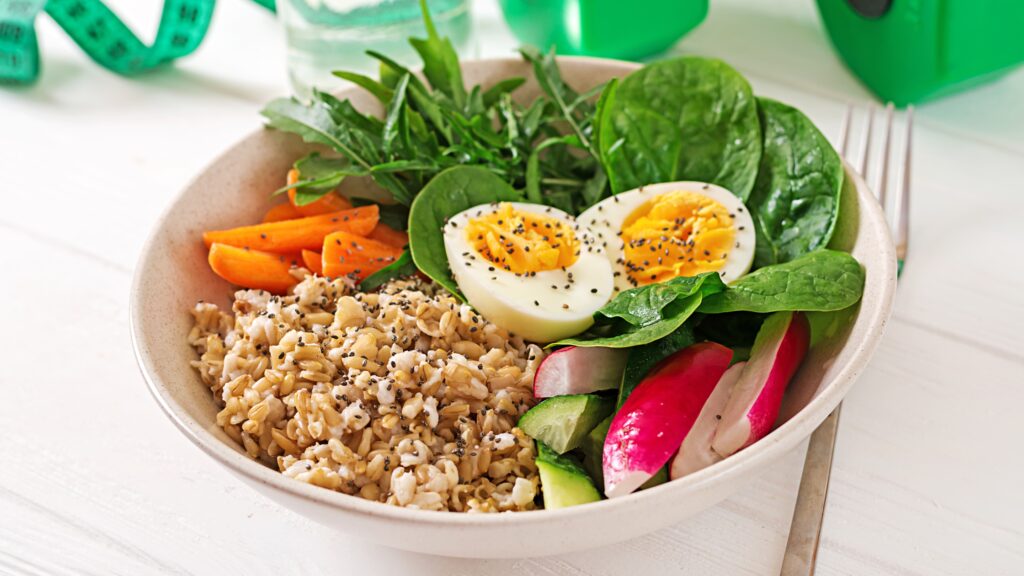
Breakfast helps many people maintain steady energy levels throughout the day.
Healthy Breakfast Options
- Oatmeal with berries
- Eggs with vegetables
- Greek yogurt with nuts
- Whole grain toast with avocado
Breakfast Benefits
| Breakfast Food | Main Benefit |
|---|---|
| Oats | Fibre |
| Eggs | Protein |
| Fruit | Vitamins |
| Yogurt | Gut health |
Balanced breakfasts may help reduce unhealthy snacking later.
Healthy Lunch and Dinner Ideas
Balanced meals should include vegetables, protein, healthy carbohydrates, and healthy fats.
Healthy Lunch Ideas
- Chicken salad
- Lentil soup
- Brown rice bowl
- Tuna sandwich on whole grain bread
Healthy Dinner Ideas
- Grilled salmon with vegetables
- Tofu stir-fry
- Vegetable soup
- Quinoa with beans
Meal balance matters more than perfection.
Healthy Snack Ideas
Healthy snacks can support energy and prevent overeating during meals.
Nutritious Snack Options
- Fresh fruit
- Greek yogurt
- Nuts
- Boiled eggs
- Carrot sticks
- Hummus
Snack Comparison Table
| Snack | Benefit |
|---|---|
| Fruit | Natural sweetness |
| Nuts | Healthy fats |
| Yogurt | Protein |
| Eggs | Fullness |
Smart snacking supports healthier eating habits.
Healthy Eating for Weight Management
The Australian Guide to Healthy Eating supports healthy weight management through balanced meals and portion awareness.
Healthy Weight Habits
- Eat regular meals
- Reduce sugary drinks
- Include vegetables daily
- Stay active
- Avoid emotional eating
Weight management works best with consistency instead of extreme dieting.
Emotional Eating and Food Habits
Stress and emotions can strongly affect eating patterns.
Common Emotional Eating Triggers
- Stress
- Anxiety
- Boredom
- Poor sleep
- Loneliness
Healthier Coping Strategies
- Walking
- Meditation
- Reading
- Exercise
- Talking with friends
Balanced habits support both mental and physical health.
Physical Activity and Healthy Eating
Exercise works best when combined with healthy eating.
Helpful Activities
- Walking
- Swimming
- Cycling
- Strength training
- Yoga
Exercise Benefits
| Exercise | Benefit |
|---|---|
| Walking | Easy calorie burning |
| Yoga | Stress reduction |
| Strength training | Muscle support |
| Cycling | Heart health |
Physical activity supports overall wellness and energy levels.
Common Healthy Eating Mistakes
Many people unintentionally follow habits that affect nutrition negatively.
Common Mistakes
- Skipping meals
- Drinking sugary beverages
- Eating too quickly
- Relying heavily on processed foods
- Ignoring portion sizes
Healthy eating becomes easier with small practical improvements.
Healthy Eating Checklist
- Eat vegetables daily
- Drink enough water
- Include protein in meals
- Limit sugary snacks
- Stay physically active
- Sleep properly
- Practice portion control
Consistency usually creates better long-term results than strict temporary diets.
Healthy Eating for Families
Families often build healthier habits together when meals become more balanced.
Family Healthy Eating Tips
- Cook meals at home more often
- Include vegetables at dinner
- Reduce sugary drinks
- Eat meals together
- Keep healthy snacks available
Children often follow the habits they see at home.
Real-Life Healthy Eating Example
A busy office worker relied heavily on takeaway meals, sugary drinks, and processed snacks because of long working hours. Energy levels remained low, and frequent cravings made healthy eating difficult.
Small changes gradually improved daily habits. Water replaced sugary drinks. Vegetables were added to lunch and dinner. Snacks became healthier, and home-cooked meals increased during the week.
Within a few months, energy levels improved, digestion became better, and healthier eating felt easier to maintain without strict dieting.
This example shows how practical changes often create sustainable long-term improvements.
Must Read:
- How to Eat Healthier and Build Better Food Habits?
- 10 Balanced Lifestyle Tips That Can Change Your Daily Routine
- Best Healthy Lifestyle Habits to Follow Every Day
FAQs:
What is the Australian Guide to Healthy Eating?
It is a nutrition guide that promotes balanced eating from all major food groups while limiting highly processed foods and sugary drinks.
Is the Australian Guide to Healthy Eating good for weight loss?
Yes. Balanced meals, portion awareness, and healthier food choices can support healthy weight management.
Can children follow the guide?
Yes. The guide supports healthy eating habits for children, adults, and families.
Are all fats unhealthy?
No. Healthy fats from foods like nuts, olive oil, and fish support overall health.
How much water should people drink daily?
Hydration needs vary, but regular water intake throughout the day is important for overall health.
Can healthy eating improve energy levels?
Yes. Balanced meals help stabilise blood sugar and support better daily energy.
Final Thoughts:
The Australian Guide to Healthy Eating offers a realistic and balanced approach to nutrition that supports long-term health and better daily habits. Instead of focusing on extreme restrictions or temporary dieting trends, the guide encourages variety, moderation, and consistent healthy choices.
Healthy eating is not about perfection. Small daily improvements often create the biggest long-term results. Adding more vegetables, drinking enough water, choosing whole grains, reducing sugary drinks, and improving portion awareness can significantly improve overall wellbeing.
Balanced nutrition supports energy, digestion, heart health, immunity, mental focus, and healthy weight management for both adults and children. Combining healthy eating with regular physical activity and proper sleep creates even greater benefits.
Modern lifestyles can make healthy eating feel challenging at times. Busy schedules, processed foods, stress, and convenience eating often affect food choices. However, practical habits and realistic meal planning can make balanced eating easier to maintain.
The Australian Guide to Healthy Eating helps people focus on nourishment instead of restriction. Healthy meals should feel enjoyable, satisfying, and sustainable for everyday life.
Consistency matters far more than perfection. Healthy habits repeated regularly can improve physical health, emotional wellbeing, and quality of life for many years ahead.