

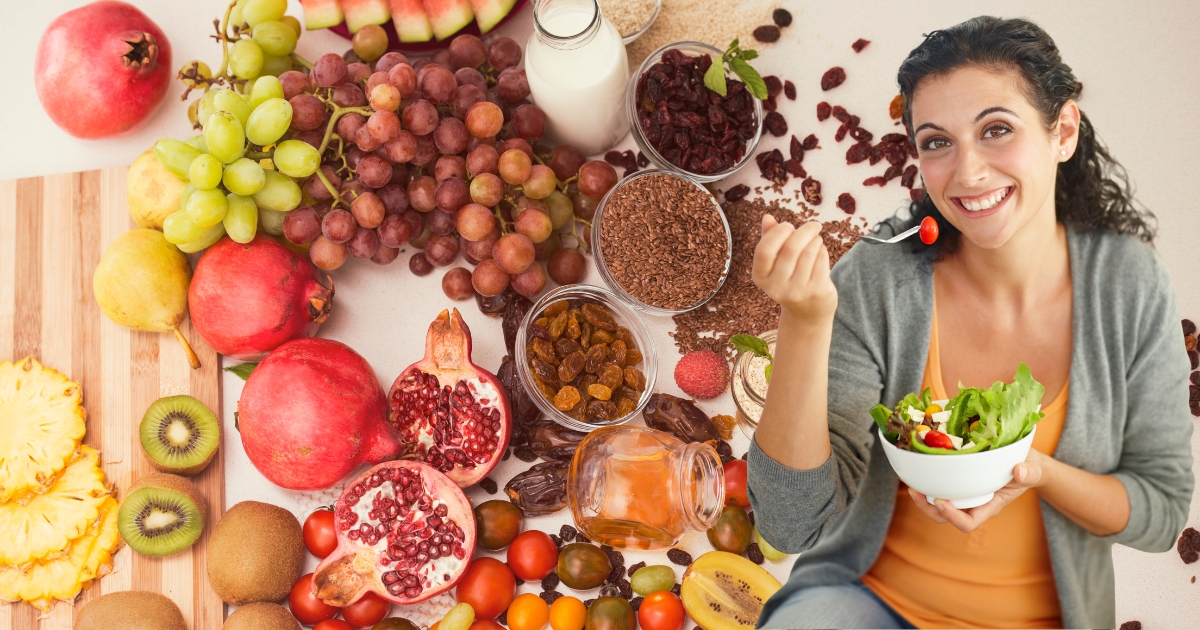
Healthy eating often sounds complicated because of strict diet trends, confusing nutrition advice, and unrealistic meal plans shared online. Many people believe they must completely stop eating their favourite foods or follow difficult rules to improve their health. In reality, learning how to eat healthier usually begins with simple daily habits that feel practical and sustainable over time.
Healthy eating is not about perfection. It is about making smarter food choices more consistently while building routines that support energy, digestion, weight management, and overall wellness. Small changes such as eating more vegetables, drinking enough water, reducing processed foods, and balancing meals can make a major difference in physical and mental health.
This guide explains how to eat healthier and build better food habits using realistic and beginner-friendly strategies. You will learn how nutrition affects the body, which foods support better health, how to manage cravings, meal planning ideas, healthy grocery tips, and lifestyle habits that improve long-term eating patterns naturally. The article also includes checklists, tables, and practical examples to help healthy eating feel easier in daily life.
What Does Healthy Eating Mean?
Healthy eating means choosing foods that provide the body with nutrients, energy, and balance. A healthy diet usually includes a variety of fruits, vegetables, protein sources, healthy fats, whole grains, and water while limiting heavily processed foods and excessive added sugar.
Learning how to eat healthier does not require removing all treats or favourite foods. The goal is to create better balance and improve food quality most of the time.
Key Parts of Healthy Eating
| Healthy Eating Habit | Main Benefit |
|---|---|
| Eating balanced meals | Stable energy levels |
| Drinking enough water | Better hydration |
| Choosing whole foods | Improved nutrition |
| Reducing processed foods | Better long-term health |
| Eating regular meals | Better appetite control |
Simple improvements often create stronger long-term results than extreme dieting.
Why Healthy Food Habits Matter
Food affects nearly every part of daily health. Better food habits can improve energy, mood, sleep, concentration, digestion, and long-term wellness.
Poor eating habits may increase the risk of:
- Weight gain
- Fatigue
- High blood sugar
- Digestive problems
- Poor concentration
- Low energy levels
Healthy eating supports both physical and emotional wellness.
Benefits of Healthier Eating
- Better digestion
- Improved energy
- Stronger immune system
- Better weight management
- Healthier skin
- Reduced cravings
- Improved mood
Small daily habits often create noticeable improvements over time.
1. Start With Small Changes
One of the biggest mistakes people make is trying to change everything at once. Extreme food rules are difficult to maintain and often lead to frustration.
Learning how to eat healthier becomes easier when changes happen gradually.
Simple Healthy Changes
- Add vegetables to meals
- Drink more water
- Reduce sugary drinks
- Eat breakfast regularly
- Cook at home more often
Small improvements repeated daily help create lasting habits.
Real-Life Example
Emma used to skip breakfast and rely on fast food during busy workdays. She started preparing overnight oats and carrying fruit for snacks. Within weeks, she noticed better energy levels and fewer unhealthy cravings during afternoons.
2. Eat More Whole Foods
Whole foods are foods that are minimally processed and closer to their natural form. These foods usually contain more nutrients and fibre than heavily processed products.
Examples of Whole Foods
- Fruits
- Vegetables
- Eggs
- Oats
- Beans
- Brown rice
- Nuts
- Fish
Whole foods often help people feel fuller and more satisfied after meals.
Benefits of Whole Foods
| Whole Food Type | Main Benefit |
|---|---|
| Vegetables | Rich in nutrients |
| Fruits | Natural sweetness |
| Whole grains | Better digestion |
| Lean protein | Supports fullness |
| Nuts and seeds | Healthy fats |
Building meals around whole foods supports healthier eating naturally.
3. Include More Protein in Meals
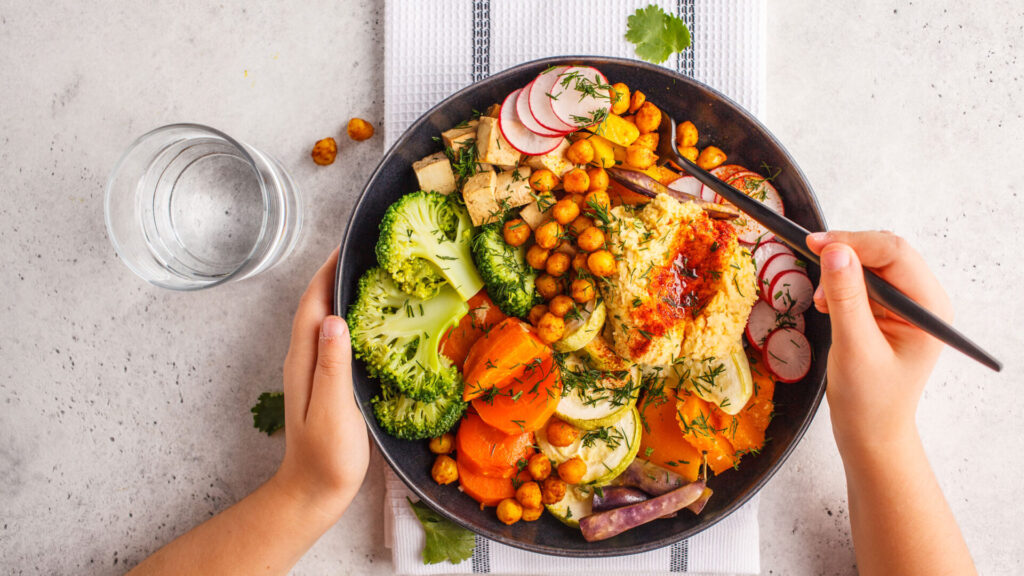
Protein helps support muscle health, fullness, and stable energy levels. Meals with enough protein may reduce overeating and unnecessary snacking.
Healthy Protein Sources
- Chicken
- Eggs
- Fish
- Greek yogurt
- Beans
- Lentils
- Cottage cheese
- Tofu
Protein-rich breakfasts are especially helpful for reducing hunger later in the day.
Easy Protein Meal Ideas
- Greek yogurt with berries
- Egg and vegetable wraps
- Grilled chicken salads
- Lentil soup
Balanced protein intake helps create healthier meal satisfaction.
4. Drink More Water Daily
Many people confuse dehydration with hunger or fatigue. Drinking enough water supports digestion, focus, skin health, and energy.
Simple Hydration Tips
- Carry a reusable water bottle
- Drink water before meals
- Replace soda with water
- Add lemon or mint for flavour
Benefits of Proper Hydration
- Better digestion
- Reduced cravings
- Improved focus
- Healthier skin
- Better physical performance
Healthy hydration habits support healthier eating patterns naturally.
5. Reduce Processed Foods Gradually
Highly processed foods often contain excess sugar, unhealthy fats, sodium, and artificial ingredients. Eating them occasionally is normal, but excessive intake may affect long-term health and weight management.
Common Processed Foods
- Chips
- Candy
- Fast food
- Sugary cereals
- Soda
- Packaged desserts
Healthier Food Swaps
| Processed Food | Better Alternative |
|---|---|
| Potato chips | Nuts or popcorn |
| Soda | Sparkling water |
| Candy | Fresh fruit |
| Sugary cereal | Oatmeal |
Gradual food swaps usually feel more realistic and sustainable.
6. Build Balanced Meals
Balanced meals help provide stable energy and better nutrition throughout the day.
A healthy plate often includes:
- Protein
- Vegetables
- Healthy fats
- Whole grains
- Fibre-rich foods
Example Balanced Plate
- Grilled chicken
- Brown rice
- Steamed vegetables
- Avocado slices
Balanced meals may reduce cravings and support healthier appetite control.
7. Learn Portion Awareness
Healthy eating is not only about food quality but also portion sizes. Eating large amounts of even healthy foods may increase calorie intake unnecessarily.
Simple Portion Tips
- Use smaller plates
- Eat slowly
- Avoid distracted eating
- Stop eating when comfortably full
Portion Awareness Benefits
- Better digestion
- Reduced overeating
- Improved energy balance
- Better weight management
Mindful eating habits help improve long-term food control naturally.
8. Plan Meals Ahead of Time
Meal planning makes healthy eating easier during busy schedules. Without preparation, people often rely on convenience foods or fast food options.
Simple Meal Prep Ideas
- Prepare overnight oats
- Wash vegetables in advance
- Cook protein in batches
- Portion healthy snacks
- Keep healthy ingredients available
Meal planning reduces stress and supports healthier food choices consistently.
9. Eat More Fruits and Vegetables
Fruits and vegetables provide vitamins, minerals, fibre, and antioxidants that support overall health.
Easy Ways to Add More Produce
- Add berries to breakfast
- Include salads with lunch
- Snack on fruit
- Add vegetables to pasta dishes
Best Fruits and Vegetables for Beginners
| Fruits | Vegetables |
|---|---|
| Apples | Spinach |
| Bananas | Broccoli |
| Berries | Carrots |
| Oranges | Cucumbers |
Colourful meals often provide a wider variety of nutrients.
10. Manage Emotional Eating
Stress, boredom, sadness, and anxiety sometimes lead people to eat without physical hunger.
Learning how to eat healthier also means recognising emotional eating habits.
Signs of Emotional Eating
- Eating from stress
- Craving comfort foods often
- Eating while distracted
- Eating without hunger
Healthier Stress Management Ideas
- Walking
- Journaling
- Deep breathing
- Talking with friends
- Listening to music
Healthy emotional habits support better eating control naturally.
Healthy Snack Ideas
Snacks can help maintain energy between meals when chosen carefully.
Better Snack Choices
- Greek yogurt
- Fruit with peanut butter
- Nuts and seeds
- Boiled eggs
- Cottage cheese
- Vegetables with hummus
Balanced snacks containing protein or fibre usually support better fullness.
Foods That May Affect Healthy Eating Goals
Some foods may increase cravings, hunger, or unnecessary calorie intake when eaten excessively.
Foods to Limit
- Sugary drinks
- Fried foods
- Candy
- Heavy desserts
- Fast food
- Highly processed snacks
Balanced eating habits usually work better than strict food restrictions.
Grocery Shopping Tips for Healthier Eating
Healthy grocery shopping helps make better food choices easier at home.
Smart Grocery Habits
- Shop with a list
- Avoid shopping while hungry
- Buy more whole foods
- Read nutrition labels
- Keep healthy snacks available
Healthy Grocery List
| Food Category | Healthy Choices |
|---|---|
| Protein | Eggs, chicken |
| Grains | Oats, brown rice |
| Fruits | Apples, berries |
| Vegetables | Spinach, broccoli |
| Snacks | Nuts, yogurt |
Planning ahead often improves consistency with healthy eating goals.
Real-Life Example
Michael struggled with low energy and unhealthy snacking during long workdays. Instead of following strict diets, he focused on small food habit changes such as eating breakfast, carrying healthier snacks, drinking more water, and cooking dinner at home more often.
After several months, Michael noticed improved energy, better digestion, and healthier eating patterns without feeling restricted. His progress improved because he focused on consistency instead of perfection.
Daily Healthy Eating Checklist
Healthy eating habits become easier when simple routines are followed consistently every day. Small actions repeated regularly can improve energy, digestion, mood, and long-term wellness. Building better food habits gradually often creates stronger and more sustainable results than extreme dieting or unrealistic nutrition plans.
Drink Enough Water
Drinking enough water throughout the day supports hydration, digestion, energy levels, and mental focus. Proper hydration may also help reduce unnecessary snacking caused by thirst. Carrying a reusable water bottle can make healthy hydration habits easier to maintain during work, exercise, travel, and busy daily schedules.
Eat Balanced Meals
Balanced meals containing protein, healthy fats, fibre, fruits, vegetables, and whole grains help provide stable energy and better nutrition. Eating balanced meals regularly may reduce cravings and overeating later in the day. Preparing meals at home more often can support healthier eating habits and portion awareness naturally.
Include Vegetables Daily
Vegetables provide important vitamins, minerals, fibre, and antioxidants that support digestion and overall health. Including vegetables in meals daily may help improve fullness and reduce calorie intake naturally. Simple additions such as salads, soups, steamed vegetables, or smoothie ingredients can increase nutrition without making meals complicated.
Choose Healthy Snacks
Healthy snacks may help maintain energy and reduce excessive hunger between meals. Options such as Greek yogurt, fruit, nuts, boiled eggs, or vegetables with hummus provide better nutrition than heavily processed snack foods. Choosing balanced snacks with protein or fibre often improves fullness and healthier eating habits daily.
Reduce Sugary Drinks
Sugary drinks such as soda, energy drinks, and sweetened coffee may increase calorie intake without providing fullness. Replacing these beverages with water, herbal tea, or low-sugar alternatives may support healthier eating goals. Reducing liquid sugar intake can also help improve energy balance and reduce unnecessary cravings naturally.
Eat Slowly
Eating slowly gives the body more time to recognise fullness signals and may help prevent overeating. Fast eating often leads to larger portion sizes and reduced meal satisfaction. Taking time to chew properly and enjoy meals mindfully can support better digestion and healthier long-term eating behaviours naturally over time.
Plan Meals Ahead
Meal planning helps reduce unhealthy food choices during busy or stressful days. Preparing meals, snacks, or ingredients in advance can improve consistency with healthier eating habits. Keeping nutritious foods available at home may also reduce dependence on fast food, processed snacks, and last-minute unhealthy meal decisions regularly.
Small healthy habits repeated consistently often create stronger long-term results than strict or temporary diet plans.
Common Healthy Eating Mistakes
Many people unintentionally make healthy eating harder by following unrealistic habits.
Mistakes to Avoid
- Skipping meals
- Following crash diets
- Drinking too many calories
- Avoiding all carbohydrates
- Eating too quickly
- Ignoring portion sizes
Simple and realistic habits usually work better long term.
Must Read:
- 10 Balanced Lifestyle Tips That Can Change Your Daily Routine
- Best Healthy Lifestyle Habits to Follow Every Day
- Best Healthy Habits for a Happy Life
FAQs:
1. What is the easiest way to start eating healthier?
Start with small changes such as drinking more water, eating balanced meals, and adding more fruits and vegetables into daily routines.
2. Do I need to stop eating my favourite foods?
No. Healthy eating focuses on balance and moderation rather than strict food elimination.
3. How can I reduce unhealthy cravings?
Eating balanced meals with protein and fibre may help reduce cravings and improve fullness throughout the day.
4. Are carbohydrates bad for healthy eating?
Healthy carbohydrates such as oats, fruits, vegetables, and whole grains provide energy and important nutrients.
5. How much water should I drink daily?
Water needs vary, but many adults aim for several glasses throughout the day to support hydration and wellness.
6. Can meal planning help healthy eating?
Yes. Meal planning often reduces unhealthy food choices and makes balanced eating easier during busy schedules.
Final Words:
Learning how to eat healthier does not require extreme dieting or completely changing your lifestyle overnight. Small daily habits often create the strongest long-term improvements. Simple changes such as drinking more water, choosing balanced meals, reducing processed foods, and planning healthier snacks can improve energy, digestion, and overall wellness naturally.
Healthy eating should feel realistic and flexible rather than stressful or restrictive. Building better food habits takes time, consistency, and patience. Progress usually happens gradually through small improvements repeated regularly instead of perfect eating routines.
Balanced nutrition also works best alongside other healthy lifestyle habits such as proper sleep, stress management, regular movement, and hydration. Together, these routines support physical health, emotional wellness, and better long-term quality of life.
Focusing on practical food choices rather than strict rules can make healthy eating feel easier and more sustainable. Small steps taken consistently often create the biggest positive changes over time.