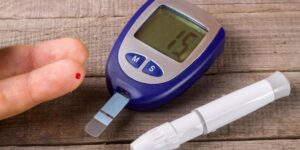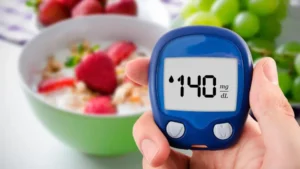

Hypoglycemia is a condition that occurs when blood sugar levels fall below the healthy range. Glucose, also called blood sugar, is the body’s primary source of energy. Every organ, especially the brain, depends on a steady glucose supply to work properly. When blood sugar drops too low, the body reacts quickly with warning signs such as sweating, shaking, hunger, dizziness, or confusion.
Many people think hypoglycemia only affects individuals with diabetes, but that is not always true. While diabetes medications are a major cause, low blood sugar can also happen because of skipping meals, excessive exercise, alcohol use, hormonal problems, or certain medical conditions. Some people may experience mild symptoms, while others can face serious complications like seizures or loss of consciousness.
Learning about hypoglycemia is important because early treatment can prevent dangerous situations. This guide explains the causes, symptoms, treatment methods, prevention tips, and lifestyle changes that help maintain stable blood sugar levels. The article is written in simple language with practical examples, tables, and checklists for easy reading.
What Is Hypoglycemia?
Hypoglycemia refers to a condition where blood sugar levels become lower than normal. In most cases, blood glucose below 70 mg/dL is considered hypoglycemia. The body needs glucose for energy, and when levels drop too low, organs cannot function efficiently.
The brain is especially sensitive to low blood sugar. Without enough glucose, concentration, thinking ability, and physical coordination can quickly become affected. This is why some people feel weak, confused, or dizzy during hypoglycemia episodes.
Hypoglycemia may develop suddenly or gradually. Mild cases can often be treated quickly with sugary foods or drinks. Severe cases may require emergency medical care.
Quick Facts About Hypoglycemia
| Topic | Details |
|---|---|
| Normal blood sugar range | 70 to 140 mg/dL |
| Hypoglycemia level | Below 70 mg/dL |
| Severe low blood sugar | Below 54 mg/dL |
| Main energy source | Glucose |
| Emergency treatment | Fast-acting carbohydrates |
How Blood Sugar Works in the Body?
The body constantly works to keep blood sugar levels balanced. After eating, carbohydrates are converted into glucose and released into the bloodstream. The hormone insulin helps move glucose into cells where it is used for energy.
When blood sugar drops, another hormone called glucagon signals the liver to release stored glucose. This natural process prevents blood sugar from becoming dangerously low.
Problems happen when:
- Too much insulin is present
- Meals are delayed
- Physical activity burns extra glucose
- Alcohol blocks glucose release from the liver
- Certain diseases affect hormone balance
For example, a person with diabetes who takes insulin but skips lunch may experience sudden hypoglycemia because insulin continues lowering blood sugar without enough food intake.
Types of Hypoglycemia
Hypoglycemia is not the same for everyone. Different types exist depending on the cause and timing of low blood sugar episodes. Knowing the type helps doctors choose the right treatment plan.
1. Diabetic Hypoglycemia
This type occurs in people with diabetes who use insulin or blood sugar-lowering medicines. It is the most common form of hypoglycemia.
Common causes include:
- Taking too much insulin
- Skipping meals
- Delayed eating
- Intense exercise
- Alcohol consumption
A person with diabetes may feel shaky, sweaty, or weak within hours after taking insulin without enough food.
2. Reactive Hypoglycemia
Reactive hypoglycemia occurs a few hours after eating. The body releases too much insulin after meals, causing blood sugar to drop rapidly.
Common symptoms include:
- Hunger
- Anxiety
- Sweating
- Fatigue
- Fast heartbeat
People often notice symptoms after eating sugary foods or refined carbohydrates.
3. Fasting Hypoglycemia
Fasting hypoglycemia develops when someone goes many hours without eating. It may be linked to certain illnesses or hormone disorders.
Possible causes include:
- Liver disease
- Kidney disease
- Severe infection
- Hormonal imbalance
- Certain medications
4. Nocturnal Hypoglycemia
This type occurs during sleep and is common in people using insulin.
Warning signs may include:
- Nightmares
- Sweating during sleep
- Restlessness
- Morning headaches
- Feeling tired after waking up
Common Causes of Hypoglycemia
Low blood sugar can develop because of several lifestyle habits, medications, and health conditions. Identifying the exact cause is important because proper treatment depends on knowing what triggers sudden glucose drops. Below are some of the most common causes of hypoglycemia explained in simple language.
Diabetes Medications
Insulin and certain diabetes medicines can lower blood sugar too much when doses are incorrect or meals are delayed. Many people experience hypoglycemia after taking medication without eating enough food. Regular monitoring and proper meal timing help reduce the risk of sudden glucose drops.
Skipping Meals
The body needs a steady supply of glucose from food throughout the day. Skipping meals or fasting for long periods can cause blood sugar levels to fall below normal. People with diabetes are especially vulnerable because medication continues working even without sufficient food intake.
Heavy Exercise
Exercise helps improve overall health, but intense physical activity uses large amounts of glucose for energy. Long workouts, sports training, or physically demanding jobs may reduce blood sugar quickly. Eating balanced snacks before exercise can help maintain stable glucose levels and prevent weakness or dizziness.
Drinking Alcohol
Alcohol interferes with the liver’s ability to release stored glucose into the bloodstream. Drinking alcohol without eating food increases the risk of hypoglycemia, especially overnight. Symptoms may become difficult to recognise because low blood sugar signs sometimes resemble the effects of alcohol consumption.
Hormonal Disorders
Hormones help control blood sugar balance inside the body. Disorders affecting the adrenal glands, pituitary gland, or thyroid may disrupt glucose regulation and increase hypoglycemia risk. Some hormonal conditions also reduce the body’s ability to respond properly when blood sugar suddenly becomes too low.
Serious Illnesses
Certain medical conditions can affect how the body stores and releases glucose. Liver disease, kidney disease, severe infections, and rare tumours may contribute to recurring hypoglycemia episodes. Treating the underlying illness is often necessary to improve blood sugar stability and prevent repeated low glucose attacks.
Symptoms of Hypoglycemia
Hypoglycemia symptoms can appear suddenly. Some people notice early warning signs, while others may develop severe symptoms without much warning.
Recognising symptoms quickly helps prevent complications.
Early Symptoms
These are the first signs that blood sugar is falling.
- Sweating
- Hunger
- Trembling
- Fast heartbeat
- Nervousness
- Tingling lips
- Dizziness
Moderate Symptoms
As blood sugar continues dropping, symptoms become more noticeable.
- Blurred vision
- Confusion
- Weakness
- Difficulty concentrating
- Mood changes
- Irritability
Severe Symptoms
Very low blood sugar can become dangerous without immediate treatment.
- Seizures
- Loss of consciousness
- Fainting
- Slurred speech
- Extreme confusion
Symptom Severity Table
| Mild Symptoms | Moderate Symptoms | Severe Symptoms |
|---|---|---|
| Hunger | Weakness | Seizures |
| Sweating | Blurred vision | Fainting |
| Shaking | Confusion | Unconsciousness |
| Anxiety | Poor concentration | Medical emergency |
Risk Factors for Hypoglycemia
Some individuals have a higher risk of developing low blood sugar. Identifying risk factors helps prevent repeated episodes.
Major Risk Factors
- Type 1 diabetes
- Insulin therapy
- Irregular eating habits
- Excess alcohol use
- Older age
- Pregnancy
- Kidney disease
- Intensive exercise routines
People with repeated episodes may stop noticing early symptoms. This condition is called hypoglycemia unawareness and can become dangerous.
How Hypoglycemia Is Diagnosed?
Diagnosing hypoglycemia involves checking blood sugar levels, reviewing symptoms, and identifying possible triggers. Doctors may ask about eating habits, medications, exercise routines, and medical history. Several tests help confirm low blood sugar episodes and determine whether diabetes, hormones, or other conditions are responsible.
Blood Sugar Testing
A blood glucose test is one of the fastest ways to diagnose hypoglycemia. Doctors measure blood sugar levels during symptoms such as dizziness, sweating, or shaking. Readings below normal levels help confirm low blood sugar and guide immediate treatment decisions for better glucose management and safety.
Continuous Glucose Monitoring
Continuous glucose monitoring devices track blood sugar levels throughout the day and night using a small sensor placed under the skin. These monitors help identify hidden glucose drops, especially during sleep or exercise. Doctors often use this information to adjust medications and improve blood sugar stability.
Fasting Tests
Fasting tests help doctors evaluate blood sugar changes when a person goes several hours without eating. During the test, glucose levels are monitored closely to check how the body responds to fasting. This method helps identify hormone disorders, liver problems, or other hidden causes of hypoglycemia.
Mixed Meal Test
A mixed meal test measures blood sugar levels after eating specific foods or drinks. Doctors use this test to diagnose reactive hypoglycemia, which occurs after meals. The test helps determine whether excessive insulin release is causing sudden blood sugar drops following food consumption.
Blood Sugar Level Guide
| Blood Sugar Reading | Meaning |
|---|---|
| 70 to 140 mg/dL | Normal |
| Below 70 mg/dL | Hypoglycemia |
| Below 54 mg/dL | Severe hypoglycemia |
| Above 180 mg/dL | High blood sugar |
Immediate Treatment for Hypoglycemia
Fast treatment is important because low blood sugar can worsen quickly. Simple carbohydrates work best during an episode.
The 15-15 Rule
This is one of the most common emergency methods.
- Consume 15 grams of fast-acting carbohydrates
- Wait 15 minutes
- Recheck blood sugar
- Repeat if needed
Fast-Acting Carbohydrates
Good options include:
- Glucose tablets
- Fruit juice
- Honey
- Sugar candies
- Regular soft drinks
Foods to Avoid During Emergencies
Some foods contain fat that slows sugar absorption.
Avoid:
- Chocolate
- Ice cream
- Heavy desserts
Emergency Signs That Need Medical Help
Some hypoglycemia cases require immediate emergency care. Severe low blood sugar can become life-threatening.
Call Emergency Services If:
- The person becomes unconscious
- Seizures occur
- Breathing becomes difficult
- Symptoms do not improve after treatment
Glucagon Injections
Glucagon is an emergency medicine that raises blood sugar quickly. Family members of diabetic patients should know how to use it.
Long-Term Treatment for Hypoglycemia
Treating hypoglycemia long term focuses on preventing future blood sugar drops and improving overall health. Lifestyle changes, proper medication management, regular monitoring, and balanced eating habits all play an important role. A personalised treatment plan helps reduce emergency episodes and supports stable blood sugar throughout the day.
Medication Changes
Doctors may adjust insulin doses or other diabetes medications if they are causing repeated low blood sugar episodes. Even small dosage changes can improve glucose stability significantly. Patients should never change medications without medical advice because incorrect adjustments may increase the risk of serious complications.
Meal Planning
Regular meals and balanced snacks help maintain stable blood sugar levels throughout the day. Meals containing protein, fibre, and healthy carbohydrates release glucose more slowly into the bloodstream. Skipping meals or following very restrictive diets may increase the chances of recurring hypoglycemia episodes and energy crashes.
Blood Sugar Monitoring
Frequent blood sugar monitoring helps identify patterns, triggers, and times when glucose levels tend to drop. Many people use home glucose meters or continuous monitoring devices for better tracking. Keeping records of meals, exercise, and symptoms also helps doctors improve treatment and prevention strategies.
Exercise Planning
Exercise affects how the body uses glucose for energy, so physical activity should be balanced carefully with meals and medications. Eating healthy snacks before workouts may prevent sudden blood sugar drops. Doctors may also recommend adjusting insulin timing or intensity levels for safer exercise routines.
Medical Evaluation
Frequent hypoglycemia episodes may signal underlying health problems that require medical attention. Doctors sometimes investigate hormone disorders, liver disease, kidney conditions, or digestive problems that affect blood sugar control. Identifying the root cause helps create safer and more effective long-term treatment plans for patients.
Best Foods for Stable Blood Sugar

Healthy food choices play a major role in preventing hypoglycemia.
Recommended Foods
| Food Group | Examples |
|---|---|
| Complex carbohydrates | Oats, brown rice |
| Protein | Eggs, chicken, fish |
| Healthy fats | Nuts, seeds, avocado |
| Fibre-rich foods | Beans, vegetables |
| Healthy snacks | Yogurt, fruit |
These foods release glucose slowly and help maintain steady energy levels.
Foods That May Cause Blood Sugar Swings
Certain foods can increase the risk of rapid sugar spikes followed by sudden drops.
Foods to Limit
- Sugary drinks
- Candy
- White bread
- Cakes and pastries
- Alcohol without food
Replacing processed foods with balanced meals helps reduce sudden glucose changes.
Hypoglycemia in Children
Children with diabetes often experience low blood sugar because of active lifestyles and changing eating habits.
Parents should watch for signs such as:
- Irritability
- Pale skin
- Sweating
- Crying
- Trouble concentrating at school
Teachers and caregivers should also know emergency treatment steps.
Hypoglycemia During Pregnancy
Pregnant women with diabetes may experience frequent blood sugar fluctuations because of hormonal changes.
Symptoms should never be ignored during pregnancy because severe hypoglycemia can affect both mother and baby.
Healthy meal planning and regular monitoring are important for safe pregnancy management.
Hypoglycemia in Older Adults
Older adults may confuse hypoglycemia symptoms with ageing or other health conditions.
Low blood sugar in seniors increases the risk of:
- Falls
- Injuries
- Memory problems
- Heart complications
Careful medication management and regular meals help reduce risks.
Complications of Untreated Hypoglycemia
Repeated or severe hypoglycemia can cause serious health problems if not treated properly.
Possible Complications
- Brain injury
- Accidents while driving
- Seizures
- Loss of consciousness
- Heart rhythm problems
Frequent severe episodes can also increase anxiety and reduce quality of life.
How to Prevent Hypoglycemia
Prevention is one of the best ways to stay safe from low blood sugar emergencies.
Daily Prevention Tips
- Eat meals on time
- Carry emergency snacks
- Monitor blood sugar regularly
- Avoid excessive alcohol
- Plan exercise carefully
- Follow medication instructions
Smart Snack Ideas
- Peanut butter with apple slices
- Greek yogurt
- Nuts and seeds
- Whole grain crackers
Lifestyle Checklist for Better Blood Sugar Control
| Healthy Habit | Benefit |
|---|---|
| Eating regular meals | Stable glucose levels |
| Staying hydrated | Better body function |
| Exercising safely | Balanced energy use |
| Carrying glucose tablets | Emergency protection |
| Sleeping properly | Hormone balance |
Real-Life Example of Hypoglycemia Management
David, a 45-year-old man with type 2 diabetes, often experienced dizziness during evening walks. After checking his blood sugar, he realised exercise was lowering his glucose too much.
His doctor suggested eating a small snack before workouts and adjusting medication timing. Within weeks, his symptoms improved significantly.
This example shows how small lifestyle adjustments can prevent hypoglycemia episodes.
When to See a Doctor
Medical advice is important if low blood sugar episodes happen frequently.
Seek Medical Help If:
- Symptoms occur often
- Blood sugar drops below 54 mg/dL
- Episodes happen during sleep
- You lose consciousness
- Symptoms appear without diabetes
Doctors can identify hidden medical causes and improve treatment plans.
Final Words:
Hypoglycemia is more than occasional hunger or weakness. Low blood sugar affects the body quickly and can become dangerous without proper care. Learning the warning signs and knowing how to respond can prevent emergencies and improve daily health.
The good news is that hypoglycemia can often be managed successfully with balanced meals, regular blood sugar monitoring, proper medication use, and healthy lifestyle habits. Simple changes such as eating on time, carrying emergency snacks, and checking glucose levels regularly make a major difference.
People living with diabetes should work closely with healthcare professionals to create safe treatment plans. Individuals without diabetes who experience repeated low blood sugar should also seek medical evaluation because hidden health conditions may be involved.
Taking hypoglycemia seriously does not mean living in fear. With proper awareness, preparation, and healthy habits, most people can manage blood sugar safely and continue enjoying normal daily activities.
Must Read:
FAQs:
1. What is the main cause of hypoglycemia?
The most common cause is diabetes medication, especially insulin. Skipping meals, alcohol, and intense exercise may also trigger low blood sugar.
2. What are the first signs of hypoglycemia?
Early signs include sweating, shaking, hunger, dizziness, and fast heartbeat.
3. Can people without diabetes get hypoglycemia?
Yes. Hormonal disorders, fasting, alcohol use, and certain illnesses can cause low blood sugar in people without diabetes.
4. What should I eat during hypoglycemia?
Fast-acting carbohydrates such as fruit juice, glucose tablets, or honey work best during an episode.
5. Is hypoglycemia dangerous?
Severe hypoglycemia can become life-threatening if untreated. It may cause seizures or unconsciousness.
6. How can hypoglycemia be prevented?
Regular meals, balanced snacks, proper medication use, and blood sugar monitoring help prevent low blood sugar episodes.