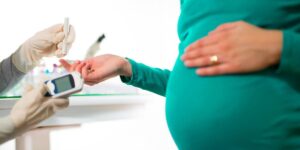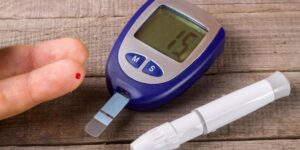


Pregnancy brings many physical and emotional changes, but some health conditions can develop quietly without obvious warning signs. One of the most common pregnancy-related conditions is gestational diabetes. It occurs when blood sugar levels become higher than normal during pregnancy. Many women feel healthy and may not realise anything is wrong until routine medical testing reveals elevated glucose levels. That is why learning about gestational diabetes symptoms is important for both mother and baby.
Gestational diabetes symptoms can sometimes appear mild or similar to normal pregnancy changes. Increased thirst, fatigue, frequent urination, and blurred vision are often overlooked because they may happen during pregnancy naturally. However, when blood sugar levels remain uncontrolled, complications can affect both maternal and baby health. Early detection and proper treatment can greatly reduce health risks and support a safer pregnancy journey.
This guide explains gestational diabetes symptoms, causes, risk factors, diagnosis methods, treatment options, healthy eating tips, prevention strategies, and lifestyle recommendations. The article is written in simple language with practical examples, tables, checklists, and helpful information for expecting mothers who want healthier pregnancy outcomes.
What Is Gestational Diabetes?
Gestational diabetes is a type of diabetes that develops during pregnancy when the body cannot manage blood sugar levels properly. Hormonal changes during pregnancy may affect how insulin works inside the body, leading to higher glucose levels.
Insulin is a hormone that helps move sugar from the bloodstream into cells for energy. During pregnancy, the placenta produces hormones that sometimes reduce insulin effectiveness. This condition is called insulin resistance.
Most women develop gestational diabetes during the second or third trimester. In many cases, blood sugar levels return to normal after childbirth, but some women may face a higher future risk of type 2 diabetes.
Quick Facts About Gestational Diabetes
| Topic | Details |
|---|---|
| Common timing | Second or third trimester |
| Main cause | Hormonal insulin resistance |
| Usually temporary | Often improves after delivery |
| Main concern | High blood sugar during pregnancy |
| Diagnosis method | Glucose screening tests |
Why Gestational Diabetes Symptoms Matter
Gestational diabetes symptoms should never be ignored because uncontrolled blood sugar may affect both mother and baby. Early management often reduces the risk of complications during pregnancy and delivery.
Many women experience no obvious symptoms at all, which is why routine prenatal screening is important. When symptoms do appear, they may affect energy levels, hydration, and overall wellness.
Possible Risks of Untreated Gestational Diabetes
- High birth weight
- Premature birth
- High blood pressure
- Increased cesarean delivery risk
- Low blood sugar in newborns
- Future diabetes risk for mother and child
Early treatment often helps support healthier pregnancy outcomes.
Common Gestational Diabetes Symptoms
Gestational diabetes symptoms may vary from person to person. Some women notice clear changes, while others only learn about the condition after routine blood sugar testing.
Recognising early signs can help improve pregnancy care and reduce health risks.
Increased Thirst
Many women with gestational diabetes feel thirsty more often than usual. High blood sugar levels may cause the body to lose more fluids through urination, leading to dehydration and constant thirst throughout the day.
Frequent Urination
Frequent urination is common during pregnancy, but gestational diabetes may increase bathroom visits even more. Excess glucose in the bloodstream forces the kidneys to work harder, causing the body to remove more fluid through urine.
Fatigue and Weakness
Feeling tired during pregnancy is normal, but excessive fatigue may sometimes signal high blood sugar levels. When glucose cannot enter cells properly for energy, women may experience unusual tiredness, weakness, or low motivation during daily activities.
Blurred Vision
High blood sugar levels may temporarily affect the eyes and lead to blurry vision. Some women notice difficulty focusing clearly, especially when glucose levels remain elevated for long periods without treatment or blood sugar management.
Increased Hunger
Gestational diabetes symptoms sometimes include feeling hungry more frequently than normal. Even after meals, some women may feel unsatisfied because the body struggles to use glucose efficiently for energy production and daily body functions.
Early Warning Signs of Gestational Diabetes
Early warning signs may appear gradually and are often mistaken for common pregnancy symptoms. Paying attention to unusual changes can help identify problems earlier.
Common Early Signs
- Dry mouth
- Frequent thirst
- Constant fatigue
- Headaches
- Increased hunger
- Frequent infections
- Blurred vision
Women experiencing several symptoms together should speak with their healthcare provider for evaluation.
Causes of Gestational Diabetes
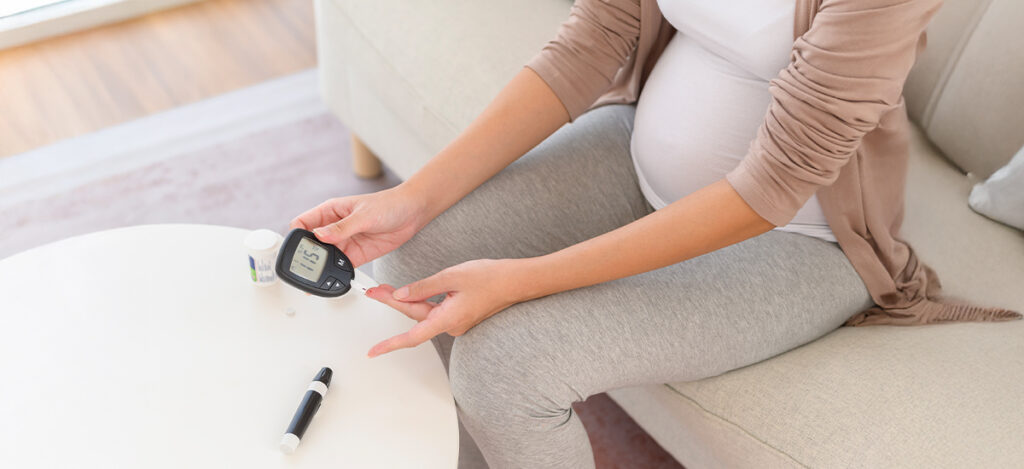
Gestational diabetes develops when the body cannot manage blood sugar levels properly during pregnancy. Hormonal changes play a major role, but several health and lifestyle factors may also increase the risk. Identifying these causes early can help support healthier pregnancy management and improve blood sugar control throughout pregnancy.
Hormonal Changes During Pregnancy
Pregnancy hormones help support the baby’s growth and development, but they may also reduce insulin sensitivity inside the body. When insulin becomes less effective, blood sugar levels may rise. This natural hormonal process is one of the main reasons gestational diabetes develops during pregnancy for many women.
Excess Weight Before Pregnancy
Women who are overweight before pregnancy often face a higher risk of insulin resistance and elevated blood sugar levels. Excess body fat may affect how the body responds to insulin, making glucose control more difficult. Maintaining a healthy weight before pregnancy may help lower gestational diabetes risk significantly.
Family History of Diabetes
A family history of diabetes may increase the chances of developing gestational diabetes during pregnancy. Women with parents or close relatives who have type 2 diabetes often face a greater genetic risk. Regular prenatal monitoring becomes especially important for individuals with strong family medical histories related to diabetes.
Limited Physical Activity
Low physical activity levels may affect insulin function and blood sugar balance during pregnancy. Regular movement helps the body use glucose more efficiently for energy. Women who spend long periods inactive may experience a higher risk of insulin resistance and elevated blood sugar throughout pregnancy and prenatal recovery.
Previous Gestational Diabetes
Women who experienced gestational diabetes during earlier pregnancies often have a greater risk of developing the condition again. Previous blood sugar problems during pregnancy may indicate underlying insulin resistance. Healthcare providers usually recommend closer monitoring and earlier screening during future pregnancies to improve health outcomes safely.
Risk Factors for Gestational Diabetes
Some women have a higher chance of developing gestational diabetes based on health history, age, and lifestyle habits.
Common Risk Factors
| Risk Factor | Why It Matters |
|---|---|
| Age over 25 | Higher insulin resistance risk |
| Obesity | Affects blood sugar control |
| Family diabetes history | Increases genetic risk |
| Previous large baby | Possible glucose imbalance |
| Polycystic ovary syndrome | Linked to insulin resistance |
Knowing personal risk factors helps improve prevention and monitoring during pregnancy.
How Gestational Diabetes Is Diagnosed
Routine screening during pregnancy helps doctors identify high blood sugar levels before serious complications develop. Many women with gestational diabetes experience few or no noticeable symptoms, making medical testing extremely important. Early diagnosis allows healthcare providers to create treatment plans that support safer pregnancies and healthier outcomes for both mother and baby.
Glucose Challenge Test
The glucose challenge test is one of the most common screening methods for gestational diabetes during pregnancy. Women drink a sweet glucose solution, and blood sugar levels are checked after a specific time. This test helps doctors evaluate how effectively the body processes sugar during pregnancy and prenatal care.
Oral Glucose Tolerance Test
Women with abnormal glucose challenge test results may complete an oral glucose tolerance test for further evaluation. This longer test involves fasting overnight, drinking a glucose solution, and checking blood sugar levels several times over a few hours to confirm gestational diabetes and evaluate glucose control more accurately.
Blood Sugar Monitoring
Some women monitor blood glucose levels regularly at home after receiving a gestational diabetes diagnosis. Using a glucose meter helps track daily sugar levels before and after meals. Regular monitoring supports safer blood sugar management and helps doctors adjust meal plans, exercise routines, or treatment if needed.
Blood Sugar Testing Guide
| Test | Purpose |
|---|---|
| Glucose challenge test | Initial pregnancy screening |
| Oral glucose tolerance test | Confirms diagnosis |
| Home glucose monitoring | Tracks daily blood sugar |
Regular testing helps doctors create safer treatment plans during pregnancy.
Complications of Gestational Diabetes
Uncontrolled gestational diabetes may increase health risks for both mother and baby. Proper management often reduces many complications significantly.
Possible Complications for Mothers
- High blood pressure
- Difficult delivery
- Increased cesarean birth risk
- Future type 2 diabetes risk
Possible Complications for Babies
- High birth weight
- Premature birth
- Breathing problems
- Low blood sugar after delivery
Regular prenatal care plays an important role in reducing these risks.
Healthy Eating Tips for Gestational Diabetes
Nutrition is one of the most important parts of gestational diabetes management. Healthy meals help maintain stable blood sugar levels and support pregnancy wellness.
Healthy Food Choices
- Whole grains
- Lean proteins
- Vegetables
- Healthy fats
- Low-sugar fruits
- Fibre-rich foods
Foods to Limit
- Sugary drinks
- Candy
- White bread
- Processed snacks
- Sweet desserts
Balanced meals may help improve blood sugar control naturally.
Example Daily Meal Plan
| Meal | Healthy Example |
|---|---|
| Breakfast | Oatmeal with nuts |
| Snack | Greek yogurt |
| Lunch | Grilled chicken salad |
| Snack | Apple slices with peanut butter |
| Dinner | Salmon with vegetables |
| Evening snack | Cottage cheese |
Small balanced meals throughout the day may help stabilise blood sugar levels.
Exercise and Gestational Diabetes

Physical activity can help improve insulin sensitivity and support healthier blood sugar levels during pregnancy.
Safe Pregnancy Exercises
- Walking
- Prenatal yoga
- Swimming
- Stretching
- Light strength exercises
Women should always follow medical advice before starting new exercise routines during pregnancy.
Benefits of Exercise
- Better blood sugar control
- Improved circulation
- Reduced stress
- Better sleep
- Healthy weight management
Even short daily walks may provide noticeable benefits.
Treatment Options for Gestational Diabetes
Treatment for gestational diabetes focuses on maintaining healthy blood sugar levels during pregnancy to protect both mother and baby. Doctors create treatment plans based on glucose readings, pregnancy progress, medical history, and overall health. Early treatment and regular monitoring often help reduce complications and support healthier pregnancy outcomes successfully.
Lifestyle Changes
Healthy lifestyle changes are usually the first treatment recommendation for gestational diabetes. Doctors often suggest balanced meals, portion control, regular physical activity, and healthier daily habits to improve blood sugar control naturally. Consistent healthy routines may help many women manage gestational diabetes safely without needing additional medical treatments.
Blood Sugar Monitoring
Many women with gestational diabetes check blood sugar levels several times daily using a glucose meter at home. Monitoring helps track how meals, exercise, and daily routines affect glucose levels. Regular testing also allows healthcare providers to adjust treatment plans quickly if blood sugar becomes difficult to control safely.
Insulin Therapy
Some women may require insulin therapy if healthy eating and exercise alone do not control blood sugar levels effectively. Insulin helps move glucose from the bloodstream into body cells for energy. Doctors carefully monitor insulin treatment during pregnancy to support safer blood sugar management and healthier baby development throughout pregnancy.
Regular Prenatal Visits
Frequent prenatal appointments help doctors monitor baby growth, maternal health, and blood sugar control during pregnancy. Regular medical visits may include ultrasounds, blood pressure checks, glucose reviews, and overall pregnancy evaluations. Consistent prenatal care helps identify complications early and supports safer treatment decisions for both mother and baby.
Real-Life Example
Emily was diagnosed with gestational diabetes during her second trimester after routine screening. She initially felt worried because she had no noticeable symptoms except fatigue and thirst.
After meeting with a nutrition specialist, Emily started eating balanced meals, walking daily, and monitoring her blood sugar regularly. Her glucose levels improved, and she later delivered a healthy baby without major complications.
This example shows how early diagnosis and healthy habits can improve pregnancy outcomes significantly.
Emotional Impact of Gestational Diabetes
Many women feel stressed or anxious after diagnosis. Pregnancy already involves emotional and physical changes, and adding blood sugar management can feel overwhelming.
Healthy Emotional Support Strategies
- Join support groups
- Talk openly with healthcare providers
- Practice stress management
- Involve family members
- Focus on gradual healthy habits
Emotional support is an important part of healthy pregnancy care.
Prevention Tips for Gestational Diabetes
Although gestational diabetes cannot always be prevented, certain habits may lower the risk.
Prevention Checklist
- Maintain healthy body weight
- Eat balanced meals
- Stay physically active
- Attend prenatal checkups
- Avoid excessive sugar intake
- Manage stress levels
Healthy lifestyle habits before and during pregnancy may support better glucose control.
After Pregnancy: What Happens Next?
Gestational diabetes often improves after childbirth, but some women remain at higher risk for future diabetes.
Important Postpartum Tips
- Continue healthy eating habits
- Stay active regularly
- Attend follow-up blood sugar testing
- Maintain healthy body weight
- Schedule regular medical checkups
Long-term healthy habits help support future wellness for both mother and child.
Must Read:
- What Is Hypoglycemia? Causes, Symptoms, and Treatment
- Low Blood Sugar Symptoms: Early Warning Signs
- What Are Normal Blood Sugar Levels?
FAQs:
1. What are the first gestational diabetes symptoms?
Common early symptoms include increased thirst, frequent urination, fatigue, blurred vision, and unusual hunger during pregnancy.
2. When does gestational diabetes usually develop?
Gestational diabetes commonly develops during the second or third trimester of pregnancy.
3. Can gestational diabetes harm the baby?
Uncontrolled blood sugar may increase risks such as high birth weight, premature birth, and low blood sugar after delivery.
4. Can gestational diabetes go away after pregnancy?
Yes, blood sugar levels often return to normal after childbirth, although future diabetes risk may remain higher.
5. How is gestational diabetes treated?
Treatment may include healthy eating, exercise, blood sugar monitoring, and sometimes insulin therapy if needed.
6. Can exercise help gestational diabetes?
Yes, regular safe physical activity may improve insulin sensitivity and help maintain healthier blood sugar levels during pregnancy.
Final Words:
Gestational diabetes symptoms may appear mild, but early diagnosis and proper care are extremely important for a healthier pregnancy. Many women experience little or no noticeable symptoms, which is why routine screening plays such an important role during prenatal care. Paying attention to unusual thirst, fatigue, hunger, or blurred vision may help identify potential blood sugar problems earlier.
The good news is that gestational diabetes can often be managed successfully with healthy lifestyle changes, balanced meals, regular monitoring, and proper medical support. Small daily habits such as eating nutritious foods, staying active, and following treatment plans may greatly improve pregnancy outcomes for both mother and baby.
A gestational diabetes diagnosis does not mean pregnancy cannot remain healthy and positive. With proper care, support, and consistency, many women successfully manage blood sugar levels and deliver healthy babies. Staying informed and following medical guidance can make the pregnancy journey safer, healthier, and less stressful overall.