

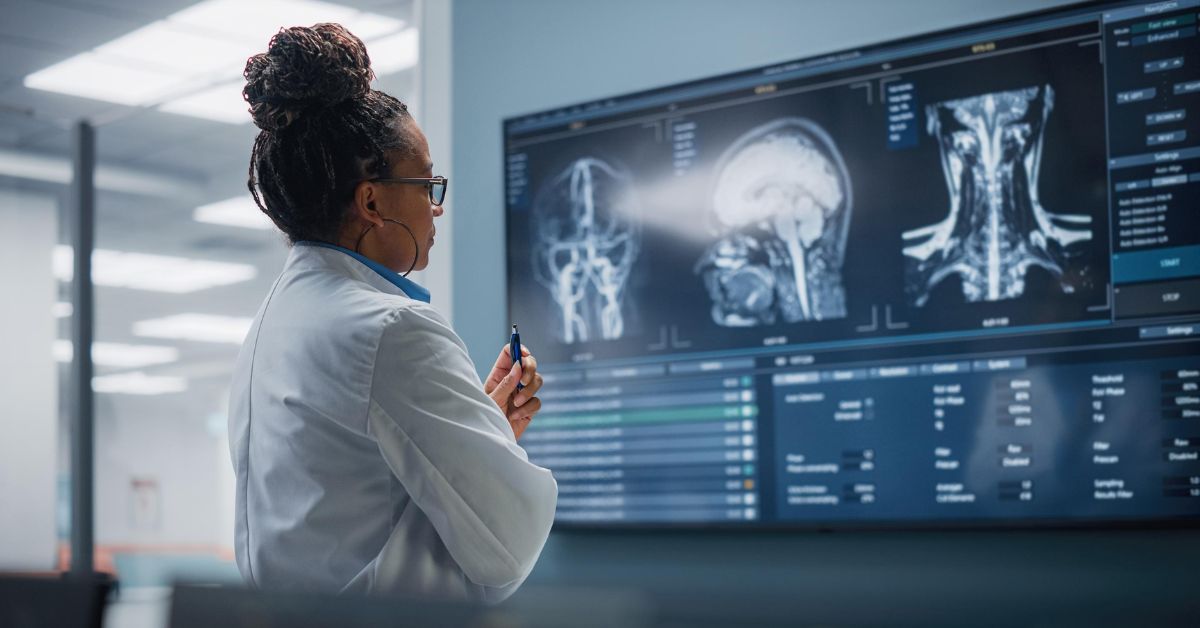
Healthcare is changing faster than ever before. Hospitals, clinics, and healthcare providers are now using smart technology to improve patient care, reduce medical errors, and make treatments more accessible. Digital Health Innovations are no longer limited to large hospitals or research labs. Today, people can monitor their heart rate with a smartwatch, speak to doctors through mobile apps, and even receive AI-based health recommendations from home.
The rapid growth of Digital Health Innovations has improved the way patients connect with doctors, manage chronic diseases, and track their wellness. From wearable devices to robotic surgery systems, technology is helping healthcare become more efficient, personalised, and convenient for millions of people around the world.
Businesses, healthcare organisations, and medical professionals are investing heavily in Digital Health Innovations because patients now expect faster, smarter, and more flexible healthcare services. This shift is also helping rural communities and busy professionals gain better access to quality medical care without unnecessary delays.
This article covers the most important Digital Health Innovations changing healthcare forever. You will learn how these technologies work, why they matter, and how they are shaping the future of medicine for patients, doctors, and healthcare providers globally.
What Are Digital Health Innovations?
Digital Health Innovations refer to modern technologies designed to improve healthcare delivery, patient monitoring, disease prevention, and medical communication. These innovations combine healthcare with digital tools such as artificial intelligence, mobile apps, cloud systems, wearable devices, and virtual healthcare services.
The main goal of Digital Health Innovations is to make healthcare more accurate, affordable, accessible, and patient-friendly. Instead of relying only on traditional clinic visits, healthcare providers can now use digital platforms to monitor patients remotely and provide real-time support.
Key Features of Digital Health Innovations
- Faster communication between patients and doctors
- Better medical record management
- Improved disease tracking
- More personalised treatments
- Remote healthcare access
- Real-time patient monitoring
- Increased healthcare efficiency
Digital Health Innovations are also helping healthcare systems reduce costs while improving patient satisfaction. Many hospitals now use smart systems that automatically store patient data, schedule appointments, and track treatment progress.
Why Digital Health Innovations Matter Today
Healthcare systems around the world face major challenges such as rising costs, doctor shortages, ageing populations, and increasing chronic diseases. Digital Health Innovations are helping solve many of these issues through smarter healthcare solutions.
Patients today want convenience and fast access to healthcare services. Long waiting times and repeated hospital visits are becoming less acceptable. Digital healthcare tools provide faster consultations, quicker diagnosis support, and improved treatment experiences.
Major Benefits of Digital Health Innovations
| Benefit | Impact on Healthcare |
|---|---|
| Remote access | Patients receive care from home |
| Faster diagnosis | Early treatment improves outcomes |
| Reduced hospital burden | Less overcrowding in clinics |
| Better patient engagement | Patients track their health actively |
| Data-driven decisions | Doctors make more accurate choices |
| Lower operational costs | Healthcare systems save resources |
Digital Health Innovations also became extremely important during global health emergencies when remote care services helped millions continue receiving medical support safely.
Telemedicine and Virtual Healthcare
Telemedicine is one of the biggest Digital Health Innovations transforming healthcare globally. It allows patients to consult doctors through video calls, mobile apps, or online platforms without visiting a hospital physically.
Virtual healthcare became highly popular because it saves time and improves accessibility. Patients living in remote areas can now connect with specialists located hundreds of miles away.
Benefits of Telemedicine
- Reduces travel costs
- Faster access to doctors
- Better care for rural communities
- Convenient follow-up appointments
- Lower risk of infection exposure
Telemedicine is especially useful for:
- Mental health therapy
- Routine medical consultations
- Chronic disease monitoring
- Prescription management
- Minor illness diagnosis
Real-Life Example
A diabetic patient can now upload glucose readings through a mobile app, allowing doctors to monitor their condition remotely and suggest adjustments instantly.
Healthcare companies are also creating advanced virtual care platforms that integrate medical records, prescriptions, and video consultations into one secure system.
Artificial Intelligence in Healthcare
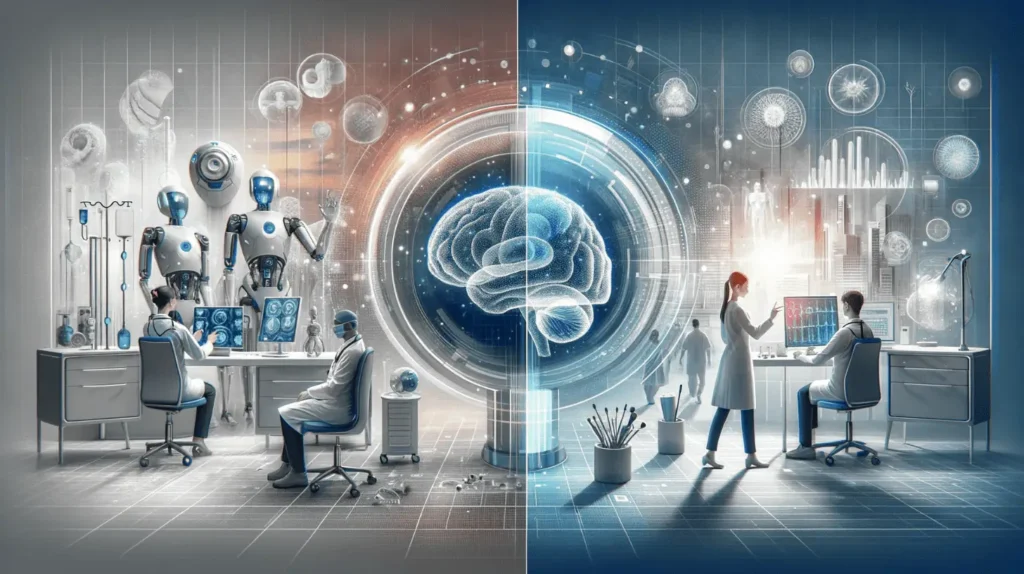
Artificial Intelligence is among the most powerful Digital Health Innovations shaping modern medicine. AI systems can analyse large amounts of medical data quickly and identify patterns that help doctors make faster decisions.
AI-powered tools are now used in:
- Medical imaging
- Disease prediction
- Drug development
- Chatbots for patient support
- Personalised treatment planning
How AI Improves Healthcare
| AI Application | Healthcare Advantage |
|---|---|
| AI imaging tools | Detect diseases earlier |
| Virtual assistants | Improve patient communication |
| Predictive analytics | Identify health risks |
| Automated documentation | Save doctors time |
| AI-powered diagnostics | Increase accuracy |
AI helps reduce human error while improving efficiency. For example, AI software can detect early signs of cancer in scans that might be missed during manual reviews.
AI Chatbots in Healthcare
Many healthcare websites now use AI chatbots to:
- Answer patient questions
- Schedule appointments
- Provide symptom guidance
- Send medication reminders
These Digital Health Innovations improve customer service while reducing pressure on healthcare staff.
Wearable Health Technology
Wearable devices are among the fastest-growing Digital Health Innovations today. Smartwatches and fitness trackers now monitor heart rate, sleep quality, oxygen levels, stress, and physical activity in real time.
Consumers increasingly rely on wearable technology to manage their personal health goals and detect potential medical issues early.
Popular Wearable Devices
- Smartwatches
- Fitness bands
- ECG monitors
- Smart rings
- Continuous glucose monitors
Health Data Tracked by Wearables
| Health Metric | Purpose |
|---|---|
| Heart rate | Monitor cardiovascular health |
| Sleep tracking | Improve sleep quality |
| Oxygen saturation | Detect breathing problems |
| Physical activity | Encourage fitness |
| Blood glucose | Manage diabetes |
Real-Life Impact
Some smartwatches can alert users about irregular heart rhythms, encouraging them to seek medical attention before serious complications develop.
Wearable Digital Health Innovations also help doctors monitor patients remotely, reducing unnecessary hospital visits.
Electronic Health Records (EHR)
Electronic Health Records are digital versions of patient medical files. These Digital Health Innovations help hospitals and clinics store patient information securely while improving coordination between healthcare providers.
Traditional paper records often caused delays, lost documents, and communication problems. Digital systems make healthcare faster and more organised.
Benefits of Electronic Health Records
- Faster patient data access
- Reduced paperwork
- Better treatment coordination
- Improved patient safety
- Easier prescription management
Information Stored in EHR Systems
- Medical history
- Test results
- Prescriptions
- Allergies
- Vaccination records
- Doctor notes
Doctors can now instantly access patient information during emergencies, improving treatment decisions and saving valuable time.
Remote Patient Monitoring
Remote patient monitoring allows healthcare providers to track patient health outside hospitals using connected medical devices. This is one of the most practical Digital Health Innovations for chronic disease management.
Patients with diabetes, hypertension, or heart disease can use home devices that automatically send health data to doctors.
Common Remote Monitoring Devices
- Blood pressure monitors
- Glucose monitors
- Heart rate sensors
- Oxygen monitors
- Smart thermometers
Benefits of Remote Monitoring
| Benefit | Patient Advantage |
|---|---|
| Continuous tracking | Better disease management |
| Early warning alerts | Faster medical response |
| Reduced hospital visits | More convenience |
| Better medication compliance | Improved outcomes |
Remote patient monitoring helps elderly patients maintain independence while staying connected to healthcare professionals.
Mobile Health Apps
Health apps are another major category of Digital Health Innovations. Millions of people use mobile apps daily to monitor fitness, nutrition, mental health, medications, and medical appointments.
Popular Features of Health Apps
- Fitness tracking
- Medication reminders
- Mental wellness support
- Symptom checkers
- Appointment booking
- Diet planning
Why Health Apps Are Growing Fast
People prefer healthcare tools that fit into their daily routines. Mobile health apps provide instant access to wellness data and encourage healthy habits.
Examples of App Usage
- A fitness app tracks calories and workouts
- A mental health app offers guided meditation
- A medication app reminds users to take pills on time
Healthcare providers are also creating customised apps for patient communication and treatment management.
Robotics in Modern Healthcare
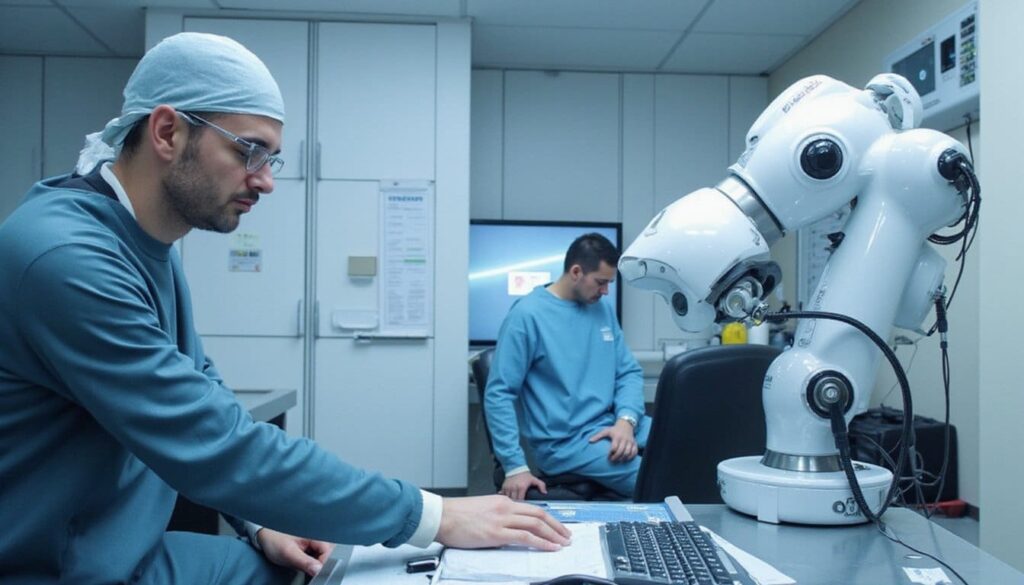
Robotic systems are becoming more common in hospitals due to major advances in Digital Health Innovations. Robots now assist in surgeries, rehabilitation, patient care, and hospital logistics.
Types of Medical Robots
- Surgical robots
- Rehabilitation robots
- Pharmacy automation robots
- Cleaning robots
- Delivery robots
Advantages of Robotic Surgery
| Benefit | Outcome |
|---|---|
| Smaller incisions | Faster recovery |
| Improved precision | Reduced complications |
| Less blood loss | Safer procedures |
| Better control | Enhanced surgical accuracy |
Robotic-assisted surgery allows doctors to perform highly precise procedures with improved control and reduced patient trauma.
Blockchain Technology in Healthcare
Blockchain technology is improving healthcare data security and transparency. This is one of the newer Digital Health Innovations gaining attention worldwide.
Healthcare systems manage sensitive patient information, making cybersecurity extremely important.
How Blockchain Helps Healthcare
- Protects patient records
- Reduces fraud
- Improves data sharing
- Increases transparency
- Enhances cybersecurity
Blockchain systems create secure digital records that are difficult to alter or hack, helping maintain patient trust.
3D Printing in Medicine
3D printing is changing the production of medical devices, implants, and prosthetics. These Digital Health Innovations allow healthcare providers to create customised solutions for patients.
Medical Uses of 3D Printing
- Prosthetic limbs
- Dental implants
- Surgical models
- Custom medical devices
- Tissue research
Real-Life Example
Doctors can create 3D printed organ models before surgery to improve planning and precision.
3D printing also reduces production costs while improving patient comfort and treatment quality.
Big Data and Healthcare Analytics
Healthcare generates massive amounts of information every day. Big data analytics helps healthcare providers analyse this information to improve patient care and identify health trends.
Benefits of Healthcare Analytics
- Better disease prediction
- Improved hospital management
- Faster research
- Personalised treatments
- Reduced healthcare costs
Example of Big Data Usage
Hospitals can analyse patient admission patterns to prepare staffing levels during flu seasons or emergencies.
These Digital Health Innovations help healthcare organisations make smarter decisions based on real data.
Internet of Medical Things (IoMT)
The Internet of Medical Things connects healthcare devices through the internet, allowing them to exchange information automatically.
Examples of IoMT Devices
- Smart inhalers
- Connected insulin pumps
- Wearable ECG monitors
- Smart hospital beds
Benefits of IoMT
| Feature | Healthcare Value |
|---|---|
| Real-time monitoring | Faster interventions |
| Device connectivity | Better coordination |
| Data sharing | Improved treatment |
| Remote access | Greater convenience |
IoMT improves healthcare efficiency while giving doctors real-time patient insights.
Cybersecurity Challenges in Digital Healthcare
While Digital Health Innovations provide many benefits, cybersecurity remains a major concern. Healthcare systems store highly sensitive patient information, making them attractive targets for cyberattacks.
Common Healthcare Cyber Risks
- Data breaches
- Ransomware attacks
- Identity theft
- System hacking
Cybersecurity Protection Strategies
- Strong encryption
- Multi-factor authentication
- Regular software updates
- Staff training
- Secure cloud systems
Healthcare providers must balance innovation with strong security measures to maintain patient trust.
Mental Health and Digital Therapy Platforms
Mental health support has improved significantly through Digital Health Innovations. Online therapy platforms, mental wellness apps, and AI-powered emotional support tools now provide accessible care for millions.
Benefits of Digital Mental Health Platforms
- Flexible therapy sessions
- Lower treatment costs
- Greater privacy
- Improved accessibility
- Self-guided wellness tools
Common Features
- Video counselling
- Mood tracking
- Meditation exercises
- Anxiety management tools
- Sleep improvement programmes
These innovations help people receive mental health support without the stigma often linked to traditional therapy visits.
Challenges Facing Digital Health Innovations
Although Digital Health Innovations continue growing rapidly, several challenges still exist.
Key Challenges
- High implementation costs
- Technology adoption barriers
- Internet access limitations
- Privacy concerns
- Regulatory compliance issues
Healthcare Staff Training
Doctors and nurses must learn how to use new systems effectively. Without proper training, advanced technology may not deliver expected benefits.
Digital Divide
Not all patients have access to smartphones, stable internet connections, or digital literacy skills. Healthcare organisations must ensure technology remains inclusive.
Future Trends in Digital Health Innovations
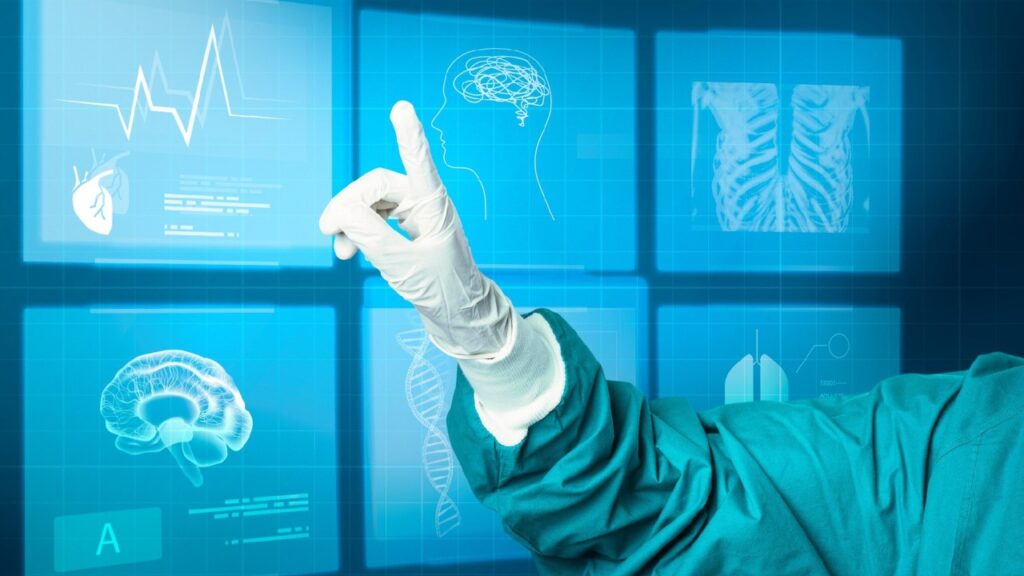
The future of healthcare will rely heavily on smarter and more connected technology solutions.
Future Digital Health Trends
- AI-powered personalised medicine
- Advanced robotic surgery
- Smart hospitals
- Digital twins for patient simulation
- Virtual reality therapy
- Voice-assisted healthcare systems
Future Patient Experience
Patients may soon receive highly personalised treatment plans based on genetics, lifestyle, and real-time health monitoring.
Healthcare will likely become:
- Faster
- More predictive
- More convenient
- More personalised
- More preventive
These Digital Health Innovations will continue improving healthcare quality while reducing global healthcare burdens.
How Healthcare Providers Can Prepare for Digital Transformation
✔ Invest in secure healthcare technology
✔ Train medical staff regularly
✔ Improve cybersecurity systems
✔ Use cloud-based patient records
✔ Offer telemedicine services
✔ Monitor patient feedback
✔ Adopt wearable health integrations
✔ Prioritise patient privacy
✔ Upgrade outdated systems
✔ Focus on patient-friendly digital experiences
Healthcare providers that adapt early will likely remain more competitive and efficient in the future.
Tips for Patients Using Digital Health Tools
Patients also play an important role in benefiting from Digital Health Innovations.
Smart Patient Tips
- Use trusted healthcare apps
- Protect personal medical data
- Regularly update wearable devices
- Verify online medical advice
- Attend virtual appointments on time
- Share accurate health information
Being informed helps patients make better healthcare decisions while maximising the benefits of digital tools.
Final Thoughts:
Digital Health Innovations are changing healthcare permanently. From AI-powered diagnosis systems to wearable health devices and virtual doctor consultations, technology is making healthcare more accessible, efficient, and personalised for people worldwide.
Healthcare providers are using Digital Health Innovations to improve patient care, reduce costs, and increase medical accuracy. Patients are gaining more control over their health through mobile apps, remote monitoring systems, and smart wearable devices.
The future of healthcare will continue moving toward connected, data-driven, and patient-focused solutions. Organisations that embrace Digital Health Innovations early will likely provide better experiences, stronger healthcare outcomes, and greater patient satisfaction.
As technology continues improving, healthcare will become more proactive rather than reactive. Patients will receive earlier warnings, personalised recommendations, and faster support through advanced digital systems.
Digital Health Innovations are not just transforming hospitals. They are changing the daily lives of millions by making healthcare smarter, simpler, and more available than ever before.
FAQs:
What are Digital Health Innovations?
Digital Health Innovations are healthcare technologies such as AI tools, wearable devices, telemedicine platforms, and digital health apps designed to improve patient care and healthcare efficiency.
Why are Digital Health Innovations important?
They improve healthcare accessibility, reduce medical costs, support early disease detection, and help patients receive care more conveniently.
What is telemedicine?
Telemedicine allows patients to consult doctors remotely through video calls, apps, or online healthcare platforms.
How do wearable health devices help patients?
Wearable devices monitor health metrics such as heart rate, sleep quality, and physical activity, helping users track their wellness in real time.
Is AI replacing doctors in healthcare?
AI supports doctors by improving diagnosis speed and accuracy, but human medical professionals remain essential for patient care and treatment decisions.
What is the future of Digital Health Innovations?
The future includes personalised medicine, advanced AI systems, robotic healthcare, virtual reality therapy, and smarter patient monitoring technologies.