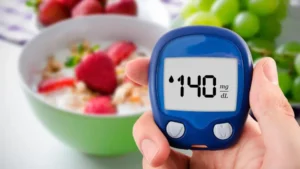

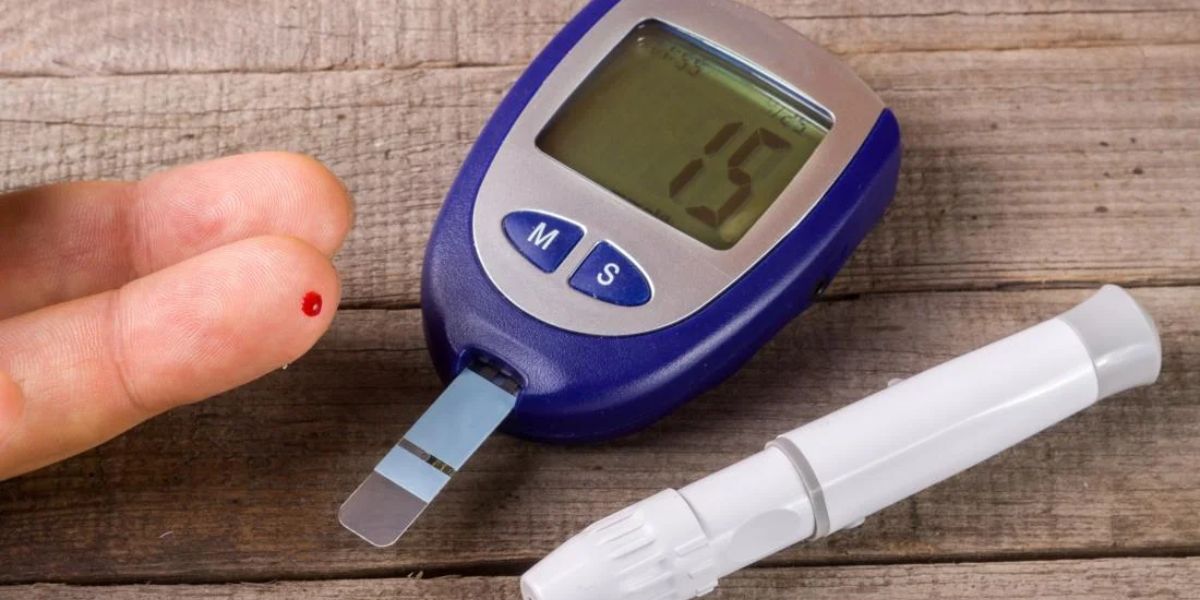
Low Blood Sugar Symptoms can appear suddenly and affect people of all ages. Many people think low blood sugar only happens to people with diabetes, but that is not always true. Skipping meals, intense exercise, stress, alcohol intake, certain medications, or medical conditions can also trigger a rapid drop in blood sugar levels. When the body lacks enough glucose, it struggles to function properly because glucose is the main source of energy for the brain and muscles.
Low Blood Sugar Symptoms often start mildly but can become dangerous if ignored. Common signs include sweating, shakiness, hunger, dizziness, headaches, confusion, blurred vision, and weakness. Some people experience mood swings or sudden irritability without realising blood sugar levels are falling. Spotting these early signs can help prevent serious health complications.
This guide explains Low Blood Sugar Symptoms in simple language with practical tips, real-life examples, prevention methods, treatment options, checklists, and expert-backed advice. Whether you manage diabetes or simply want to improve your health awareness, this article will help you recognise important warning signs quickly.
What Is Low Blood Sugar?
Low Blood Sugar Symptoms occur when glucose levels drop below normal. Blood sugar, also called blood glucose, provides energy to the body. When levels fall too low, the brain and organs may not function properly.
Doctors usually define low blood sugar, also called hypoglycaemia, as blood glucose levels below 70 mg/dL. However, symptoms may appear earlier in some people depending on their body, health condition, diet, and medications.
Common Causes of Low Blood Sugar
| Cause | Explanation |
|---|---|
| Skipping meals | Long gaps without food reduce glucose levels |
| Diabetes medication | Insulin or medicines may lower blood sugar too much |
| Heavy exercise | Intense workouts use more glucose |
| Alcohol consumption | Alcohol affects liver glucose release |
| Hormonal disorders | Some hormone problems reduce blood sugar stability |
| Poor diet | Lack of balanced nutrition affects energy levels |
Low Blood Sugar Symptoms can happen during the day or while sleeping. Some people experience symptoms regularly without realising the root cause.
Early Low Blood Sugar Symptoms
Low Blood Sugar Symptoms usually begin with small warning signs. The body releases stress hormones like adrenaline when glucose drops, creating physical and emotional reactions.
Common Early Symptoms
- Sudden hunger
- Sweating
- Shaking
- Fast heartbeat
- Dizziness
- Nervousness
- Anxiety
- Tingling lips
- Weakness
- Pale skin
These signs are the body’s way of asking for quick energy.
Real-Life Example
A person working long office hours skips lunch and suddenly feels shaky and dizzy during a meeting. They become sweaty and unable to focus. After drinking fruit juice and eating a snack, symptoms improve within minutes. This is a classic example of Low Blood Sugar Symptoms caused by delayed meals.
Recognising these signs early can prevent severe complications later.
Severe Low Blood Sugar Symptoms
Low Blood Sugar Symptoms become more dangerous when glucose levels continue dropping. The brain depends heavily on glucose, so mental and neurological symptoms may appear.
Serious Warning Signs
- Confusion
- Blurred vision
- Slurred speech
- Loss of coordination
- Aggressive behaviour
- Extreme fatigue
- Seizures
- Loss of consciousness
Severe Low Blood Sugar Symptoms require immediate medical attention. If untreated, hypoglycaemia can become life-threatening.
Emergency Checklist
If someone experiences severe symptoms:
- Give fast-acting sugar if conscious
- Use glucose tablets if available
- Call emergency services if unconscious
- Never force food into an unconscious person
- Monitor breathing and response
Fast action can save lives during severe episodes.
Low Blood Sugar Symptoms During Sleep
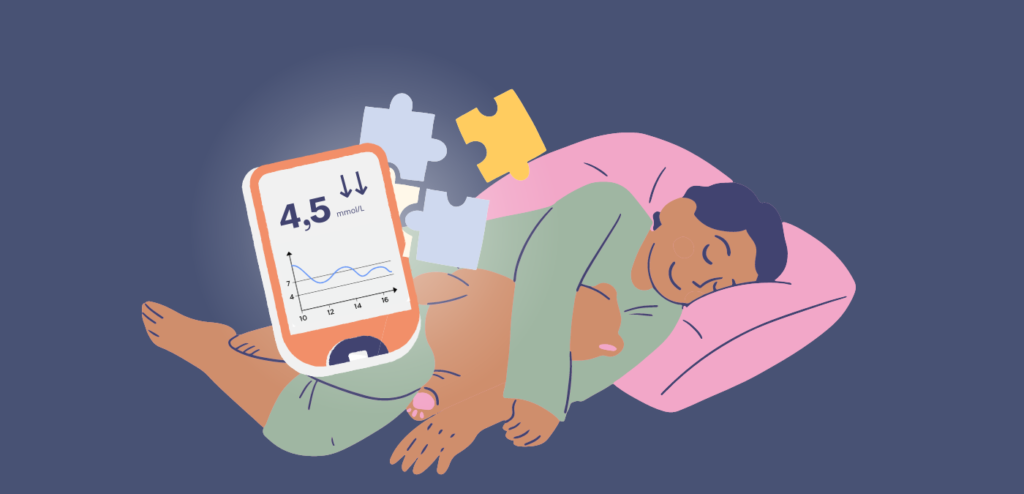
Many people experience Low Blood Sugar Symptoms at night without realising it. Night-time hypoglycaemia is common among people using insulin or certain medications.
Night-Time Symptoms
- Night sweats
- Bad dreams
- Restless sleep
- Sudden waking
- Morning headaches
- Feeling exhausted after sleep
Why It Happens
Blood sugar may drop overnight because of:
- Skipping dinner
- Exercising late
- Taking too much insulin
- Drinking alcohol before bed
Prevention Tips
| Prevention Method | Benefit |
|---|---|
| Eat a balanced bedtime snack | Stabilises glucose overnight |
| Monitor blood sugar before sleep | Helps identify risky levels |
| Avoid excess alcohol | Reduces overnight glucose drops |
| Follow medication instructions | Prevents accidental overdosing |
Low Blood Sugar Symptoms during sleep often go unnoticed, making prevention especially important.
Low Blood Sugar Symptoms in Non-Diabetics
Many people are surprised to learn that Low Blood Sugar Symptoms can happen without diabetes. Reactive hypoglycaemia is one common reason.
Possible Causes in Non-Diabetics
- Long fasting periods
- Very low-calorie diets
- Excessive exercise
- Hormonal imbalance
- Certain medications
- Digestive surgery
Symptoms Often Reported
- Brain fog
- Irritability
- Sudden fatigue
- Shaking after meals
- Sugar cravings
Real-Life Example
Someone follows a strict weight-loss diet with minimal carbohydrates. By afternoon, they become dizzy, sweaty, and weak. Eating balanced meals with protein and fibre helps stabilise their energy.
Low Blood Sugar Symptoms in non-diabetics should not be ignored because they may point to nutritional or hormonal issues.
How the Brain Reacts to Low Blood Sugar?
Low Blood Sugar Symptoms strongly affect brain function because glucose is the brain’s primary fuel source.
Mental and Emotional Symptoms
- Trouble concentrating
- Memory problems
- Mood swings
- Sudden anger
- Anxiety
- Confusion
Some people mistake these signs for stress or exhaustion when low glucose is actually responsible.
Cognitive Effects Table
| Brain Function | Effect of Low Blood Sugar |
|---|---|
| Memory | Temporary forgetfulness |
| Focus | Difficulty concentrating |
| Mood | Irritability or sadness |
| Coordination | Slower reaction time |
| Speech | Slurred communication |
People with repeated episodes may become less aware of symptoms over time, increasing health risks.
Low Blood Sugar Symptoms in Children
Children can also experience Low Blood Sugar Symptoms, especially during illness, intense activity, or poor eating habits.
Common Signs in Children
- Irritability
- Sudden crying
- Pale skin
- Sleepiness
- Sweating
- Headaches
- Trouble concentrating at school
What Parents Should Watch For
Children may not explain symptoms clearly. Instead, parents may notice behavioural changes or unusual tiredness.
Helpful Tips for Parents
- Keep healthy snacks available
- Avoid long gaps between meals
- Monitor activity levels
- Encourage balanced breakfasts
- Speak with a doctor if episodes repeat
Quick action helps children recover faster and prevents complications.
Foods That Help Raise Blood Sugar Quickly
When Low Blood Sugar Symptoms appear, fast-acting carbohydrates help restore glucose levels quickly.
Best Fast-Acting Foods
| Food | Approximate Benefit |
|---|---|
| Fruit juice | Rapid sugar absorption |
| Glucose tablets | Fast emergency support |
| Honey | Quick energy source |
| Regular soda | Raises glucose quickly |
| Hard candy | Easy emergency option |
The 15-15 Rule
A common strategy involves:
- Consume 15 grams of fast carbohydrates
- Wait 15 minutes
- Recheck symptoms or blood sugar
- Repeat if needed
After recovery, eating a balanced meal helps maintain stable levels.
Best Foods to Prevent Low Blood Sugar Symptoms

Preventing Low Blood Sugar Symptoms often starts with better nutrition habits.
Foods That Support Stable Blood Sugar
- Oats
- Eggs
- Nuts
- Greek yoghurt
- Brown rice
- Lean proteins
- Vegetables
- Fruits with fibre
- Beans
- Whole grains
Healthy Meal Balance
| Nutrient | Why It Matters |
|---|---|
| Protein | Slows sugar release |
| Fibre | Supports stable energy |
| Healthy fats | Improves fullness |
| Complex carbs | Provides long-lasting energy |
Balanced meals reduce sudden glucose spikes and crashes.
Risk Factors for Low Blood Sugar
Certain people face higher risks of Low Blood Sugar Symptoms.
High-Risk Groups
- People with diabetes
- Elderly adults
- Athletes
- People with eating disorders
- Pregnant women
- Individuals using insulin
Lifestyle Factors
- Irregular eating habits
- Crash dieting
- Alcohol misuse
- Overtraining
- Poor sleep
Knowing personal risk factors helps people take preventive steps earlier.
Exercise and Low Blood Sugar Symptoms
Physical activity improves health but may also trigger Low Blood Sugar Symptoms when not managed properly.
Why Exercise Lowers Blood Sugar
Muscles use glucose for energy during workouts. Without enough food or proper planning, glucose levels can fall quickly.
Symptoms During Exercise
- Weakness
- Dizziness
- Sweating
- Shaking
- Blurred vision
Smart Exercise Checklist
- Eat before long workouts
- Carry quick sugar snacks
- Stay hydrated
- Monitor symptoms carefully
- Avoid overtraining
Athletes and gym-goers should learn how their bodies respond to different exercise intensities.
Low Blood Sugar Symptoms After Eating
Some people experience symptoms shortly after meals. This is called reactive hypoglycaemia.
Common Triggers
- Sugary foods
- Refined carbohydrates
- Large meals
- Sweet beverages
Symptoms
- Fatigue
- Hunger
- Anxiety
- Sweating
- Brain fog
Better Eating Strategies
| Habit | Benefit |
|---|---|
| Smaller meals | Prevents sudden spikes |
| More protein | Stabilises glucose |
| More fibre | Slows sugar absorption |
| Less refined sugar | Reduces crashes |
Balanced nutrition can reduce reactive episodes significantly.
Emotional Effects of Low Blood Sugar Symptoms
Low Blood Sugar Symptoms affect emotions as much as physical health.
Emotional Changes
- Panic
- Irritability
- Sudden sadness
- Anger
- Nervousness
People sometimes misunderstand these symptoms as emotional instability rather than a glucose issue.
Real-Life Situation
A student becomes extremely irritable and anxious during exams after skipping meals. Eating properly before studying improves focus and mood dramatically.
Stable blood sugar supports better emotional balance throughout the day.
When to See a Doctor
Low Blood Sugar Symptoms sometimes require medical evaluation, especially if episodes occur frequently.
Medical Attention Is Important If
- Symptoms happen often
- Episodes become severe
- You faint or lose consciousness
- Symptoms occur without diabetes
- Home treatment stops working
Possible Medical Tests
| Test | Purpose |
|---|---|
| Blood glucose test | Measures sugar levels |
| A1C test | Checks long-term glucose control |
| Hormone tests | Identifies hormonal causes |
| Medication review | Detects treatment issues |
Early medical support helps prevent complications.
Long-Term Effects of Repeated Low Blood Sugar

Repeated Low Blood Sugar Symptoms can affect daily life and overall health.
Potential Long-Term Problems
- Reduced symptom awareness
- Memory issues
- Increased accident risk
- Sleep problems
- Anxiety about future episodes
Impact on Daily Activities
People may avoid exercise, driving, social events, or travel due to fear of another episode.
Managing blood sugar properly improves confidence and quality of life.
Myths About Low Blood Sugar Symptoms
There are many misconceptions surrounding Low Blood Sugar Symptoms.
Myth vs Fact Table
| Myth | Fact |
|---|---|
| Only diabetics get low blood sugar | Non-diabetics can experience it too |
| Sugar crashes are harmless | Severe cases can become dangerous |
| Skipping meals helps weight loss | It may trigger hypoglycaemia |
| Energy drinks fix everything | They may cause later crashes |
Correct information helps people make safer health choices.
Daily Habits That Help Prevent Low Blood Sugar
Simple lifestyle changes can reduce Low Blood Sugar Symptoms significantly.
Healthy Daily Habits
- Eat regular meals
- Stay hydrated
- Sleep properly
- Exercise moderately
- Reduce alcohol intake
- Carry healthy snacks
- Avoid excessive sugar
Easy Snack Ideas
| Snack | Benefit |
|---|---|
| Apple with peanut butter | Protein and fibre |
| Nuts and seeds | Long-lasting energy |
| Whole grain crackers | Stable carbohydrates |
| Yoghurt | Balanced nutrition |
Consistency matters more than extreme dieting or strict food restrictions.
Checklist for Managing Low Blood Sugar Symptoms
Daily Prevention Checklist
- Eat every 3 to 4 hours
- Include protein in meals
- Carry emergency snacks
- Monitor symptoms
- Stay hydrated
- Avoid skipping breakfast
- Balance exercise and food intake
Emergency Response Checklist
- Recognise symptoms quickly
- Consume fast carbohydrates
- Rest safely
- Recheck blood sugar
- Seek medical help if symptoms worsen
Preparedness can prevent serious complications.
Must Read: What Are Normal Blood Sugar Levels?
FAQs:
What are the first Low Blood Sugar Symptoms?
Early symptoms often include shaking, sweating, hunger, dizziness, weakness, and anxiety.
Can Low Blood Sugar Symptoms happen without diabetes?
Yes. Poor diet, fasting, hormonal problems, and heavy exercise may trigger symptoms in non-diabetics.
What should I eat during low blood sugar?
Fast-acting carbohydrates like juice, glucose tablets, honey, or candy can help quickly.
Are Low Blood Sugar Symptoms dangerous?
Mild episodes can usually be treated quickly, but severe cases may lead to seizures or unconsciousness.
How can I prevent Low Blood Sugar Symptoms?
Regular meals, balanced nutrition, hydration, proper sleep, and careful medication management help reduce risk.
Can stress cause Low Blood Sugar Symptoms?
Stress may affect hormones and eating patterns, which can contribute to blood sugar fluctuations.
Conclusion:
Low Blood Sugar Symptoms are common but often ignored until they become severe. The body usually sends early warning signs such as sweating, shaking, hunger, dizziness, irritability, and weakness. Recognising these symptoms early allows faster treatment and better protection against serious complications.
Many factors can trigger Low Blood Sugar Symptoms, including skipped meals, diabetes medications, intense exercise, alcohol intake, stress, poor diet, and hormonal changes. Even people without diabetes may experience episodes that affect focus, mood, energy, and daily performance. Learning the causes helps people take smarter preventive steps.
Healthy habits play a major role in prevention. Eating balanced meals, avoiding long fasting periods, staying hydrated, sleeping properly, and carrying emergency snacks can make a significant difference. Fast treatment with glucose or quick carbohydrates can stop symptoms before they worsen.
Low Blood Sugar Symptoms should never be ignored, especially if episodes become frequent or severe. Paying attention to the body’s warning signals supports better health, improved energy, safer daily routines, and greater peace of mind.