
Normal Blood Sugar Levels play a major role in overall health, energy, metabolism, and long-term wellness. Millions of people monitor their glucose levels daily because blood sugar changes can affect the heart, brain, kidneys, eyes, and even mood. Whether someone has diabetes, prediabetes, or simply wants to stay healthy, knowing Normal Blood Sugar Levels can help prevent serious health problems before they begin.
Many people feel confused when they see different blood sugar numbers online. Some sources discuss fasting levels, while others focus on post-meal readings or HbA1c results. This often creates uncertainty about what numbers are actually healthy. Learning about Normal Blood Sugar Levels in simple language can make glucose monitoring easier and less stressful.
This guide explains Normal Blood Sugar Levels clearly using easy examples, helpful tables, checklists, practical tips, and real-life scenarios. It also covers symptoms of high and low blood sugar, causes of glucose changes, healthy habits, foods that support stable glucose, and ways to maintain healthy readings naturally.
What Are Blood Sugar Levels?
Normal Blood Sugar Levels refer to the amount of glucose present in the bloodstream at different times of the day. Glucose comes mainly from foods containing carbohydrates such as rice, bread, fruit, pasta, potatoes, and sugary snacks.
The body uses glucose for energy. Hormones like insulin help move glucose from the blood into the cells. When this process works properly, Normal Blood Sugar Levels stay balanced throughout the day.
Blood sugar levels usually change depending on:
- Meals
- Physical activity
- Stress
- Sleep quality
- Medications
- Illness
- Hormonal changes
Doctors often measure blood sugar using:
- Fasting Blood Sugar Test
- Random Blood Sugar Test
- Post-Meal Blood Sugar Test
- HbA1c Test
People with stable Normal Blood Sugar Levels usually feel energetic, focused, and physically active. When glucose levels become too high or too low, symptoms may appear quickly.
Why Normal Blood Sugar Levels Matter
Maintaining Normal Blood Sugar Levels is important because glucose affects nearly every organ in the body. High blood sugar over time can damage blood vessels and nerves. Low blood sugar can also become dangerous if not treated quickly.
Healthy glucose control may support:
- Better energy levels
- Healthy brain function
- Stable mood
- Weight balance
- Heart health
- Kidney health
- Eye health
- Better sleep
- Improved focus
People with poor glucose control may experience fatigue, blurry vision, frequent urination, headaches, cravings, and difficulty concentrating.
Real-Life Example
A person who regularly drinks sugary beverages and skips exercise may slowly develop insulin resistance. Their blood sugar may stay high for months without noticeable symptoms. Eventually, routine blood tests may reveal prediabetes or diabetes.
Early awareness of Normal Blood Sugar Levels can help avoid these situations.
Normal Blood Sugar Levels Chart
| Blood Sugar Test | Normal Range | Prediabetes Range | Diabetes Range |
|---|---|---|---|
| Fasting Blood Sugar | 70–99 mg/dL | 100–125 mg/dL | 126 mg/dL or higher |
| 2 Hours After Eating | Below 140 mg/dL | 140–199 mg/dL | 200 mg/dL or higher |
| Random Blood Sugar | Below 140 mg/dL | Varies | 200 mg/dL or higher |
| HbA1c | Below 5.7% | 5.7%–6.4% | 6.5% or higher |
These ranges may vary slightly depending on age, medical conditions, pregnancy, and doctor recommendations.
Normal Fasting Blood Sugar Levels
Normal Blood Sugar Levels during fasting are measured after not eating for at least 8 hours. This test is usually performed in the morning before breakfast.
A healthy fasting blood sugar level is generally between:
- 70 mg/dL and 99 mg/dL
Fasting glucose helps doctors evaluate how efficiently the body manages sugar overnight.
Causes of High Fasting Blood Sugar
- Insulin resistance
- Late-night eating
- Lack of exercise
- Stress hormones
- Poor sleep
- Diabetes
Signs That Fasting Blood Sugar May Be High
- Morning headaches
- Dry mouth
- Fatigue
- Increased thirst
- Frequent urination
Tips for Better Fasting Blood Sugar
- Eat balanced dinners
- Avoid sugary late-night snacks
- Walk after meals
- Sleep consistently
- Stay hydrated
Blood Sugar Levels After Eating

Normal Blood Sugar Levels rise after meals because carbohydrates break down into glucose. Healthy insulin function helps bring glucose back to normal within a few hours.
A healthy blood sugar level two hours after eating is usually:
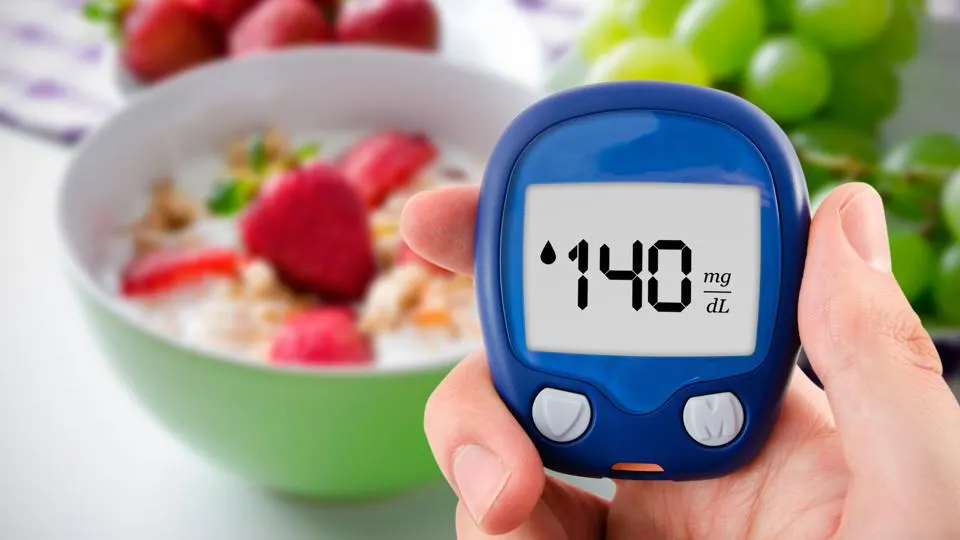
- Less than 140 mg/dL
Foods That Can Cause Rapid Sugar Spikes
- White bread
- Sugary cereal
- Soda
- Candy
- Pastries
- Processed snacks
Foods That Support Stable Glucose
- Vegetables
- Oats
- Beans
- Lean protein
- Nuts
- Seeds
- Greek yogurt
Real-Life Example
Two people may eat the same meal, but their blood sugar responses may differ due to genetics, weight, activity level, sleep quality, and insulin sensitivity.
What Is HbA1c?
HbA1c is a blood test that measures average blood sugar over the previous 2 to 3 months. It is one of the most important tests for evaluating Normal Blood Sugar Levels long term.
HbA1c Categories
| HbA1c Result | Meaning |
|---|---|
| Below 5.7% | Normal |
| 5.7% to 6.4% | Prediabetes |
| 6.5% or above | Diabetes |
HbA1c gives a broader picture compared to a single blood sugar reading.
Why HbA1c Matters
- Tracks long-term glucose trends
- Helps diagnose diabetes
- Monitors treatment effectiveness
- Estimates future health risks
Doctors often recommend checking HbA1c every 3 to 6 months for people managing diabetes.
Symptoms of High Blood Sugar
When glucose levels stay above Normal Blood Sugar Levels, the condition is called hyperglycaemia.
Common Symptoms
- Extreme thirst
- Frequent urination
- Blurred vision
- Tiredness
- Dry skin
- Hunger
- Slow healing wounds
- Headaches
Severe Symptoms
- Nausea
- Vomiting
- Confusion
- Shortness of breath
Persistent high blood sugar may increase the risk of:
- Heart disease
- Kidney disease
- Nerve damage
- Vision loss
- Stroke
Symptoms of Low Blood Sugar
Low blood sugar is called hypoglycaemia. It usually occurs when glucose falls below 70 mg/dL.
Common Symptoms
- Sweating
- Shaking
- Hunger
- Dizziness
- Fast heartbeat
- Irritability
- Weakness
Severe Symptoms
- Fainting
- Seizures
- Confusion
- Loss of consciousness
People taking insulin or diabetes medication may experience low blood sugar more often.
Checklist: Healthy Habits for Normal Blood Sugar Levels
- Eat meals on time
- Include protein with every meal
- Drink enough water
- Exercise regularly
- Sleep 7 to 8 hours
- Limit sugary drinks
- Reduce stress
- Monitor blood sugar if needed
- Choose high-fibre foods
- Avoid excessive processed snacks
Small daily choices can help maintain Normal Blood Sugar Levels naturally over time.
Foods That Support Normal Blood Sugar Levels
Healthy eating habits are among the most effective ways to support glucose balance.
Best Foods for Stable Blood Sugar
Non-Starchy Vegetables
- Spinach
- Broccoli
- Cucumber
- Bell peppers
- Cauliflower
Protein Sources
- Eggs
- Fish
- Chicken
- Tofu
- Greek yogurt
Healthy Fats
- Avocados
- Olive oil
- Nuts
- Seeds
High-Fibre Foods
- Oats
- Lentils
- Chia seeds
- Brown rice
- Beans
Best and Worst Foods for Blood Sugar
| Better Choices | Foods to Limit |
|---|---|
| Oatmeal | Sugary cereal |
| Whole fruit | Candy |
| Brown rice | White bread |
| Water | Soda |
| Nuts | Pastries |
| Greek yogurt | Ice cream |
How Exercise Affects Blood Sugar

Physical activity helps the body use glucose more efficiently. Regular exercise can improve insulin sensitivity and support Normal Blood Sugar Levels.
Best Exercises for Blood Sugar Support
- Walking
- Cycling
- Swimming
- Strength training
- Yoga
- Dancing
Benefits of Exercise
- Helps lower blood sugar
- Supports weight control
- Improves heart health
- Reduces stress
- Boosts energy
Real-Life Example
A 20-minute walk after dinner may help reduce post-meal glucose spikes in many people.
Stress and Blood Sugar Levels
Stress can raise blood sugar because the body releases hormones like cortisol and adrenaline during stressful situations.
Common Stress Triggers
- Work pressure
- Poor sleep
- Financial concerns
- Illness
- Emotional stress
Stress Management Tips
- Deep breathing
- Daily walking
- Meditation
- Journaling
- Limiting screen overload
- Spending time outdoors
Reducing stress may help maintain healthier Normal Blood Sugar Levels naturally.
Sleep and Blood Sugar Control
Poor sleep may negatively affect insulin sensitivity and glucose regulation.
Signs Sleep May Affect Blood Sugar
- Morning fatigue
- Increased cravings
- Weight gain
- Difficulty concentrating
Better Sleep Habits
- Sleep at the same time daily
- Reduce caffeine late in the day
- Limit screen exposure before bed
- Keep the bedroom cool and dark
People who sleep consistently often have better glucose balance.
Blood Sugar Levels by Age
Normal Blood Sugar Levels can vary slightly depending on age and health conditions.
Children
Children may have slightly different glucose targets due to growth and activity levels.
Adults
Healthy adults generally follow standard fasting and post-meal glucose ranges.
Older Adults
Older adults may have adjusted targets depending on medications, fall risk, and other medical conditions.
Doctors personalise goals based on overall health rather than using one target for everyone.
Prediabetes Explained
Prediabetes occurs when blood sugar levels are higher than normal but not high enough for a diabetes diagnosis.
Prediabetes Warning Signs
Many people have no symptoms.
Some may notice:
- Increased thirst
- Fatigue
- Darkened skin patches
- Weight gain around the abdomen
Risk Factors
- Obesity
- Family history
- Sedentary lifestyle
- Poor diet
- High blood pressure
Can Prediabetes Be Reversed?
Many people improve Normal Blood Sugar Levels through:
- Weight management
- Healthier eating
- Exercise
- Better sleep
- Reduced sugar intake
Early action can make a major difference.
Diabetes and Blood Sugar Levels
Diabetes affects how the body processes glucose and maintains Normal Blood Sugar Levels. When insulin production or insulin function becomes impaired, blood sugar can rise above healthy ranges and increase the risk of long-term health complications affecting the heart, kidneys, eyes, and nerves.
Type 1 Diabetes
Type 1 diabetes develops when the immune system mistakenly attacks insulin-producing cells in the pancreas. The body produces little or no insulin, making daily insulin treatment necessary. Monitoring Normal Blood Sugar Levels regularly helps reduce the risk of serious blood sugar fluctuations and complications.
Type 2 Diabetes
Type 2 diabetes occurs when the body becomes resistant to insulin or does not produce enough insulin to maintain Normal Blood Sugar Levels. Lifestyle habits, weight gain, inactivity, and genetics may contribute. Healthy eating, exercise, medication, and glucose monitoring often help manage the condition effectively.
Gestational Diabetes
Gestational diabetes develops during pregnancy when hormonal changes affect insulin function and raise blood sugar levels. Managing Normal Blood Sugar Levels during pregnancy is important for both mother and baby. Healthy eating, physical activity, and medical guidance often help support safer pregnancy outcomes.
Blood Sugar Monitoring Methods
People track glucose using different tools.
Common Monitoring Options
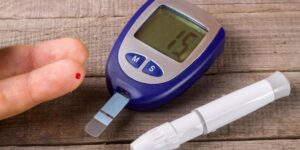
Fingerstick Glucose Meter
Provides instant blood sugar readings.
Continuous Glucose Monitor (CGM)
Tracks glucose levels throughout the day and night.
Benefits of Monitoring
- Identifies glucose patterns
- Helps food planning
- Supports medication adjustments
- Prevents severe highs and lows
Natural Ways to Support Normal Blood Sugar Levels
Many healthy lifestyle habits may support balanced glucose naturally.
Helpful Natural Strategies
- Eat more fibre
- Stay physically active
- Drink water regularly
- Reduce sugary beverages
- Prioritise protein
- Maintain healthy weight
- Sleep properly
- Reduce stress
Foods Often Linked to Better Glucose Support
- Cinnamon
- Apple cider vinegar
- Chia seeds
- Green leafy vegetables
- Nuts
These should support healthy habits rather than replace medical treatment.
Morning Blood Sugar Spikes
Some people notice higher glucose levels in the morning even after fasting overnight.
Possible Causes
- Dawn phenomenon
- Hormonal changes
- Late-night snacks
- Poor sleep
- Stress
Helpful Tips
- Avoid heavy evening meals
- Walk after dinner
- Improve sleep quality
- Monitor nighttime snacking
Blood Sugar and Weight Management
Body weight can strongly influence insulin sensitivity.
How Excess Weight Affects Glucose
- Increases insulin resistance
- Raises inflammation
- Makes glucose harder to control
Helpful Weight Management Habits
- Portion control
- Daily movement
- Protein-rich meals
- High-fibre foods
- Consistent routines
Even modest weight loss may improve Normal Blood Sugar Levels.
Common Myths About Blood Sugar
Many people believe common myths about blood sugar that can create confusion about diabetes, glucose control, and healthy lifestyle habits. Learning the facts may help people make smarter health decisions and maintain healthier blood sugar levels through better daily routines and medical awareness.
Myth 1: Only People With Diabetes Need to Check Blood Sugar
Many people think blood sugar monitoring is only necessary for diabetes patients, but anyone can benefit from checking glucose health occasionally. Regular monitoring may help identify early signs of insulin resistance, unhealthy eating habits, prediabetes, or hidden glucose problems before serious complications develop over time.
Myth 2: Sugar Alone Causes Diabetes
Diabetes develops due to multiple factors, not just sugar intake alone. Genetics, obesity, inactivity, poor sleep, stress, unhealthy eating patterns, and family history may all increase the risk. Excess sugar consumption may contribute indirectly by promoting weight gain and worsening insulin resistance over time.
Myth 3: Healthy Foods Never Raise Blood Sugar
Even healthy foods containing carbohydrates can increase blood sugar levels depending on portion size and individual metabolism. Fruits, oats, rice, and whole grains still affect glucose responses. Pairing carbohydrates with protein, fibre, and healthy fats may help support better blood sugar balance naturally.
Myth 4: Thin People Cannot Develop Diabetes
People of any body type can develop diabetes or blood sugar problems. Genetics, hormonal conditions, poor diet, stress, and low physical activity may affect insulin function even in slim individuals. Healthy lifestyle habits and regular medical checkups remain important regardless of physical appearance or body weight.
Signs of Healthy vs Unhealthy Blood Sugar
| Healthy Signs | Possible Warning Signs |
|---|---|
| Stable energy | Constant fatigue |
| Clear focus | Brain fog |
| Balanced appetite | Extreme hunger |
| Good hydration | Excessive thirst |
| Healthy sleep | Poor sleep quality |
Best Drinks for Blood Sugar Support
Better Beverage Choices
- Water
- Herbal tea
- Black coffee in moderation
- Unsweetened green tea
- Sparkling water
Drinks to Limit
- Soda
- Energy drinks
- Sugary coffee drinks
- Sweetened juices
Liquid sugar can raise glucose rapidly compared to whole foods.
When to See a Doctor
Medical advice is important if someone experiences:
- Frequent high blood sugar
- Repeated low blood sugar
- Unexplained weight changes
- Excessive thirst
- Constant fatigue
- Blurred vision
Early testing may help identify problems before complications develop.
Must Read: How to Improve Your Mental Health?
FAQs:
What is a normal fasting blood sugar level?
A healthy fasting blood sugar level is generally between 70 and 99 mg/dL.
What blood sugar level is considered dangerous?
Blood sugar above 300 mg/dL or below 54 mg/dL may require immediate medical attention.
How often should blood sugar be checked?
This depends on health conditions, medications, and doctor recommendations.
Can stress raise blood sugar levels?
Yes. Stress hormones may increase glucose levels temporarily.
Which foods help maintain Normal Blood Sugar Levels?
High-fibre foods, vegetables, lean proteins, nuts, and whole grains may support balanced glucose.
Can exercise lower blood sugar quickly?
Physical activity often helps the body use glucose more effectively, especially after meals.
Final Thoughts:
Normal Blood Sugar Levels are one of the most important indicators of overall health. Stable glucose supports energy, focus, heart health, metabolism, and long-term wellness. Small lifestyle habits often create major improvements over time.
Healthy eating, regular exercise, quality sleep, hydration, stress management, and routine testing can all help maintain Normal Blood Sugar Levels naturally. People who monitor their glucose early often have more opportunities to prevent future health problems.
Modern lifestyles often include processed foods, long sitting hours, stress, and poor sleep habits. These factors can slowly affect insulin sensitivity and glucose balance. Paying attention to daily habits can make a significant difference.
Simple actions such as walking after meals, reducing sugary beverages, eating more fibre, and sleeping consistently may support healthier glucose control. Many people notice improvements in energy, focus, and overall wellbeing after improving their lifestyle routines.
Normal Blood Sugar Levels are not only important for people with diabetes. Anyone interested in better health, weight management, heart wellness, and healthy ageing can benefit from learning about glucose balance.
Building healthy habits today may support better health outcomes for years to come.