


Stress has become a common part of modern life. Work pressure, financial responsibilities, social expectations, digital overload, unhealthy routines, and lack of rest can slowly affect emotional wellbeing and mental balance. Many people continue managing stress silently until it begins affecting sleep, energy, productivity, relationships, and physical health.
Mental Wellness Practices are important because they help people build healthier emotional habits, reduce stress naturally, improve focus, and support long-term happiness. Mental wellness is not only about avoiding mental illness. It also involves emotional balance, positive thinking, self-care, healthy relationships, stress management, and creating routines that support a calmer mind.
The good news is that improving mental wellness does not always require dramatic lifestyle changes. Small daily habits often create the biggest improvements over time. Better sleep, physical activity, relaxation techniques, gratitude, emotional support, and healthy boundaries all contribute to stronger mental wellbeing.
This guide explains practical Mental Wellness Practices that support stress relief and emotional health naturally. You will also find wellness checklists, lifestyle tables, real-life examples, and easy daily strategies designed for busy modern lifestyles.
A healthier mind begins with small and consistent actions repeated every day.
Why Mental Wellness Matters?
Mental wellness affects how people:
- Think
- Feel
- Handle stress
- Build relationships
- Make decisions
- Manage responsibilities
Poor emotional wellness may slowly affect physical health, confidence, sleep quality, and daily performance.
Common Signs of Emotional Stress
- Constant worry
- Irritability
- Fatigue
- Difficulty concentrating
- Trouble sleeping
- Emotional exhaustion
Benefits of Better Mental Wellness
| Healthy Mental Habit | Positive Effect |
|---|---|
| Quality sleep | Better mood |
| Relaxation habits | Reduced stress |
| Exercise | Emotional balance |
| Healthy relationships | Support and comfort |
Mental Wellness Practices help create stronger emotional resilience over time.
Build a Calm Morning Routine
Morning habits strongly affect emotional wellbeing throughout the day.
Many people start their mornings with stress by immediately checking emails, social media, or negative news updates.
Healthy Morning Habits
- Drink water after waking up
- Stretch for a few minutes
- Avoid early phone use
- Eat a balanced breakfast
- Practice deep breathing
Why Morning Routines Matter
Healthy mornings may help:
- Reduce anxiety
- Improve productivity
- Increase focus
- Support emotional balance
Morning Wellness Checklist
✔ Wake up consistently
✔ Hydrate properly
✔ Avoid digital overload early
✔ Spend a few minutes relaxing
✔ Start the day calmly
Real-Life Example
A remote employee improved focus and reduced stress after replacing morning social media scrolling with stretching and quiet time.
Calm mornings often create calmer days.
Prioritise Quality Sleep
Sleep and emotional wellness are closely connected. Poor sleep may increase stress, anxiety, irritability, and emotional fatigue.
One of the most effective Mental Wellness Practices is maintaining consistent sleep habits.
Signs Poor Sleep Is Affecting Mental Health
- Low energy
- Mood swings
- Brain fog
- Poor concentration
- Increased stress
Healthy Sleep Habits
- Maintain a regular bedtime
- Reduce screen exposure before sleep
- Avoid caffeine late in the day
- Create a relaxing bedtime routine
Sleep and Wellness Table
| Healthy Sleep Habit | Emotional Benefit |
|---|---|
| Consistent bedtime | Better mood stability |
| Reduced screen time | Improved sleep quality |
| Deep sleep | Better stress recovery |
Real-Life Example
A university student improved emotional balance after reducing late-night screen use and maintaining a healthier sleep schedule.
Quality sleep supports long-term mental wellness naturally.
Stay Physically Active
Exercise is one of the most powerful Mental Wellness Practices for stress relief because movement affects brain chemicals linked to happiness and relaxation.
Benefits of Physical Activity
- Reduced stress
- Better mood
- Improved sleep
- Higher confidence
- Increased energy
Beginner-Friendly Exercises
- Walking
- Yoga
- Cycling
- Swimming
- Stretching
Exercise Benefits Table
| Activity | Mental Wellness Benefit |
|---|---|
| Walking outdoors | Stress reduction |
| Yoga | Relaxation |
| Strength training | Confidence support |
| Cardio exercise | Mood improvement |
Real-Life Example
A busy professional started daily evening walks and reported lower anxiety levels and improved focus during work.
Consistent movement supports both body and mind.
Practice Deep Breathing and Relaxation
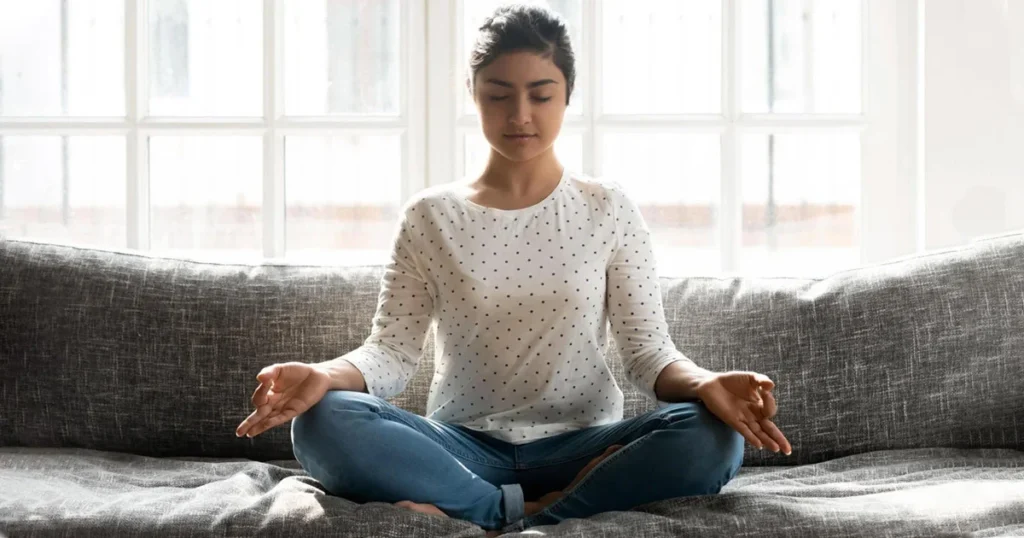
Stress often causes physical tension and shallow breathing. Relaxation techniques help calm the nervous system naturally.
Simple Deep Breathing Exercise
- Sit comfortably
- Inhale slowly for four seconds
- Hold briefly
- Exhale slowly for six seconds
- Repeat several times
Benefits of Deep Breathing
| Relaxation Habit | Emotional Benefit |
|---|---|
| Deep breathing | Reduced anxiety |
| Meditation | Calmer thoughts |
| Quiet breaks | Emotional balance |
Other Relaxation Activities
- Listening to calming music
- Reading
- Journaling
- Taking short mental breaks
Real-Life Example
A teacher dealing with heavy workloads began practising breathing exercises between classes and noticed reduced stress throughout the day.
Small relaxation habits create noticeable emotional improvements.
Reduce Digital Overload
Constant phone notifications, social media use, and screen exposure may increase stress and emotional exhaustion.
One of the smartest Mental Wellness Practices is setting healthier digital boundaries.
Signs Digital Overload Is Affecting You
- Constant distraction
- Sleep problems
- Anxiety after scrolling
- Reduced concentration
Healthy Screen Habits
- Limit social media time
- Avoid screens before bed
- Turn off unnecessary notifications
- Schedule offline activities
Digital Wellness Checklist
✔ Reduce endless scrolling
✔ Take social media breaks
✔ Spend more time outdoors
✔ Protect sleep from screens
✔ Focus on real conversations
Healthy digital habits support emotional balance.
Build Healthy Social Connections
Humans naturally need emotional support and social connection.
Strong relationships help reduce stress and improve emotional resilience.
Healthy Relationship Habits
- Communicate honestly
- Spend time with supportive people
- Avoid toxic environments
- Ask for help when needed
Why Social Wellness Matters
Healthy relationships may help:
- Reduce loneliness
- Improve confidence
- Increase emotional support
Social Wellness Table
| Social Habit | Emotional Benefit |
|---|---|
| Open communication | Reduced emotional pressure |
| Supportive friendships | Better mood |
| Family connection | Emotional comfort |
Real-Life Example
A young professional improved emotional wellbeing after reconnecting regularly with close friends and family.
Positive relationships support healthier mental wellness.
Eat Foods That Support Mental Wellness
Nutrition affects mood, focus, energy, and emotional balance more than many people realise.
Best Foods for Mental Wellness
- Fruits
- Vegetables
- Fish
- Nuts
- Whole grains
- Yogurt
Foods That May Affect Mood Negatively
- Excess sugar
- Highly processed foods
- Too much caffeine
- Heavy fast food meals
Nutrition and Mental Wellness Table
| Healthy Food | Mental Benefit |
|---|---|
| Salmon | Brain support |
| Nuts | Healthy fats |
| Berries | Antioxidant support |
| Leafy greens | Nutrient support |
Real-Life Example
A college student improved concentration and mood after reducing sugary snacks and eating more balanced meals.
Healthy nutrition supports emotional wellness naturally.
Practice Gratitude Daily
Gratitude helps shift focus away from constant negativity and stress.
This is one of the simplest Mental Wellness Practices for improving emotional balance.
Easy Gratitude Habits
- Write three positive moments daily
- Appreciate small achievements
- Thank people more often
- Focus on progress instead of perfection
Benefits of Gratitude
| Gratitude Habit | Emotional Benefit |
|---|---|
| Daily journaling | Positive mindset |
| Appreciating small wins | Better mood |
| Reflecting on good moments | Reduced stress |
Real-Life Example
A business owner started gratitude journaling and reported feeling calmer and more optimistic during stressful periods.
Small positive habits support healthier thinking patterns.
Spend Time Outdoors
Nature exposure helps calm the mind and reduce emotional stress naturally.
Outdoor Activities That Support Mental Wellness
- Walking
- Gardening
- Hiking
- Outdoor exercise
- Sitting in parks
Why Outdoor Time Helps
Fresh air and sunlight may help:
- Improve mood
- Reduce stress
- Increase vitamin D
- Improve mental clarity
Outdoor Wellness Table
| Outdoor Habit | Emotional Benefit |
|---|---|
| Walking in nature | Stress relief |
| Sunlight exposure | Mood support |
| Outdoor exercise | Better energy |
Even short outdoor breaks may improve emotional wellbeing.
Set Healthy Boundaries
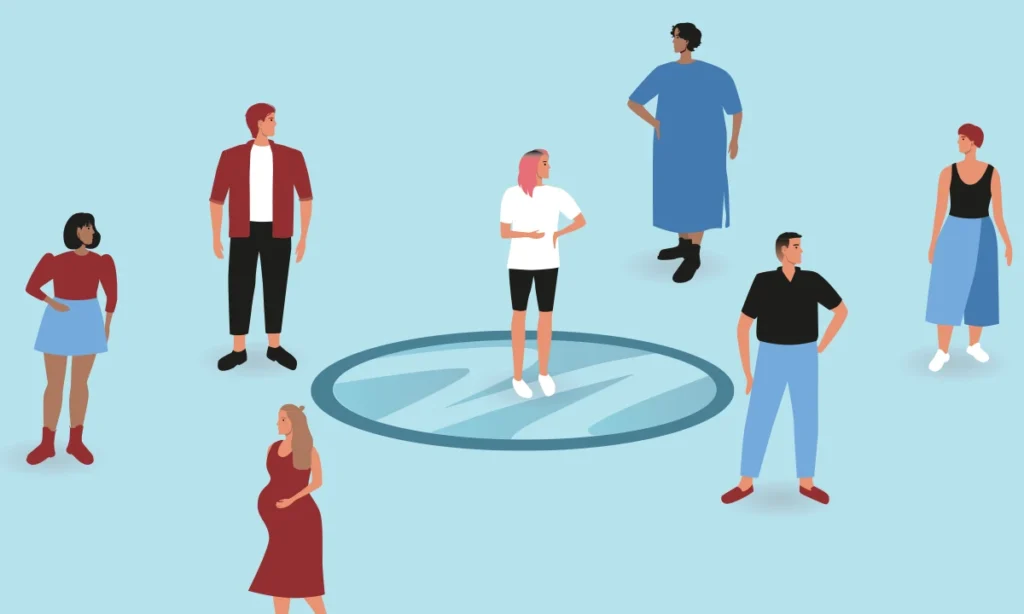
Trying to manage everything at once often increases emotional exhaustion and stress.
One of the most important Mental Wellness Practices is learning to protect personal time and energy.
Healthy Boundary Habits
- Say no when necessary
- Avoid overcommitting
- Prioritise rest
- Limit toxic interactions
Why Boundaries Matter
Healthy boundaries may:
- Reduce burnout
- Improve emotional balance
- Protect mental energy
Personal Wellness Checklist
✔ Schedule personal time
✔ Avoid people-pleasing constantly
✔ Protect your rest time
✔ Prioritise mental wellbeing
Balanced boundaries support healthier emotional stability.
Manage Stress Through Healthy Habits
Stress is part of life, but unhealthy coping methods may worsen emotional wellbeing.
Common Unhealthy Stress Habits
- Emotional eating
- Excess screen use
- Isolation
- Poor sleep habits
Healthier Stress Management Ideas
- Exercise regularly
- Practice breathing exercises
- Journal thoughts and emotions
- Spend time outdoors
- Listen to calming music
Stress Relief Checklist
✔ Sleep properly
✔ Stay physically active
✔ Avoid burnout
✔ Schedule breaks regularly
✔ Stay socially connected
Healthy stress management supports long-term emotional resilience.
Build Positive Daily Habits
Mental wellness improves gradually through consistent daily actions.
Positive Daily Wellness Habits
- Drinking enough water
- Maintaining healthy sleep routines
- Eating balanced meals
- Practising gratitude
- Limiting negative media exposure
Healthy Habit Table
| Positive Habit | Mental Wellness Benefit |
|---|---|
| Hydration | Better concentration |
| Exercise | Reduced anxiety |
| Healthy meals | Stable energy |
| Gratitude | Improved mood |
Consistency matters more than perfection.
Avoid Comparing Yourself to Others
Constant comparison often increases insecurity, anxiety, and emotional stress.
Why Comparison Hurts Mental Wellness
Comparison may:
- Reduce confidence
- Increase negative thinking
- Create unrealistic expectations
Healthier Mindset Habits
- Focus on personal progress
- Limit comparison-driven social media
- Celebrate small achievements
Real-Life Example
A young adult reduced social media comparison habits and noticed improved confidence and emotional balance.
Mental wellness improves when focus shifts toward personal growth.
Mental Wellness Practices for Busy Professionals
Busy work schedules often increase stress and emotional exhaustion.
Workplace Wellness Tips
- Take short breaks
- Stretch during work hours
- Walk during lunch breaks
- Avoid multitasking overload
- Stay hydrated
Healthy Work Habits Table
| Workplace Habit | Emotional Benefit |
|---|---|
| Regular breaks | Reduced mental fatigue |
| Movement breaks | Better focus |
| Healthy snacks | Stable energy |
Real-Life Example
A corporate employee improved productivity and emotional balance after introducing short movement breaks throughout the workday.
Small workplace changes support healthier mental wellness.
Long-Term Benefits of Mental Wellness Practices
Consistent Mental Wellness Practices create lasting benefits beyond temporary stress relief.
Long-Term Benefits
- Better emotional resilience
- Improved confidence
- Healthier relationships
- Better productivity
- Improved sleep quality
- Greater life satisfaction
Why Consistency Matters
Mental wellness improves gradually through repeated healthy habits rather than short-term motivation.
Small actions often create powerful long-term results.
Final Thoughts:
Mental Wellness Practices are essential for managing stress, improving emotional balance, and supporting a healthier lifestyle. Modern life often creates pressure through work demands, digital overload, financial stress, and busy schedules, making emotional wellbeing more important than ever.
The good news is that simple daily habits can create meaningful improvements. Better sleep, exercise, healthy nutrition, gratitude, relaxation techniques, healthy boundaries, and strong social support all contribute to stronger mental wellness naturally.
Mental wellness is not about perfection. It is about building routines that support emotional stability and reduce unnecessary stress over time. Small habits repeated consistently often create greater emotional resilience, confidence, focus, and overall happiness.
The most effective Mental Wellness Practices are realistic, sustainable, and easy to maintain daily. Taking care of emotional health is one of the best investments anyone can make for a calmer mind and a better quality of life.
Must Read:
- Simple Mental Health Improvement Tips for a Better Life
- 10 Quick Mental Health Tips for a Happier Life
FAQs:
What are Mental Wellness Practices?
Mental Wellness Practices are healthy habits that support emotional balance, stress relief, mental clarity, and overall emotional wellbeing.
Can exercise improve mental wellness?
Yes. Physical activity helps reduce stress and supports brain chemicals linked to happiness and relaxation.
Why is sleep important for emotional health?
Poor sleep may increase anxiety, irritability, stress, and emotional exhaustion.
How does social media affect mental wellness?
Excessive social media use may increase stress, comparison, anxiety, and reduced focus.
Are breathing exercises effective for stress relief?
Yes. Deep breathing helps calm the nervous system and reduce emotional tension naturally.
How long does it take to improve mental wellness?
Some improvements may appear within days, while stronger long-term emotional benefits usually come from consistent healthy habits over time.