

Mental health plays a major role in daily happiness, relationships, productivity, and overall wellbeing. Many people focus heavily on physical health while ignoring emotional balance, stress levels, and mental wellness. Small daily habits can make a huge difference in how people think, feel, and respond to challenges.
Quick Mental Health Tips are becoming more important because modern life often feels fast, demanding, and overwhelming. Long working hours, financial pressure, social media overload, and lack of proper rest can affect emotional stability over time. The good news is that improving mental wellness does not always require dramatic lifestyle changes. Simple actions practised consistently can support a calmer mind and a happier life.
These Quick Mental Health Tips are designed to fit easily into busy schedules. They are practical, realistic, and suitable for students, professionals, parents, and older adults. Many of these habits take only a few minutes each day but can create long-term benefits for emotional wellbeing.
This guide covers effective Quick Mental Health Tips that help reduce stress, improve mood, increase focus, and encourage emotional balance naturally. You will also find checklists, tables, examples, and easy strategies that can be applied immediately.
Why Mental Health Matters Every Day?
Mental health affects how people handle emotions, relationships, decisions, and stressful situations. Poor mental wellness can influence sleep quality, energy levels, work performance, and physical health.
Quick Mental Health Tips are helpful because they encourage small improvements before stress becomes overwhelming. Many people wait until burnout or anxiety becomes severe before taking action. Daily mental wellness habits can help prevent emotional exhaustion early.
Signs Your Mental Health Needs More Attention
- Constant fatigue
- Feeling overwhelmed frequently
- Difficulty sleeping
- Irritability
- Low motivation
- Social withdrawal
- Trouble focusing
- Increased stress levels
Benefits of Better Mental Wellness
| Mental Wellness Habit | Positive Impact |
|---|---|
| Daily relaxation | Reduced stress |
| Better sleep habits | Improved energy |
| Exercise | Better mood |
| Healthy social life | Emotional support |
| Gratitude practice | Positive thinking |
Quick Mental Health Tips work best when practised consistently rather than occasionally.
1. Start Your Day Without Checking Your Phone
One of the easiest Quick Mental Health Tips is avoiding phone use immediately after waking up. Many people start their mornings by checking emails, news, or social media, which can increase stress before the day even begins.
Giving your brain a calm start improves emotional balance and focus throughout the day.
Better Morning Habits
- Drink water first
- Stretch for a few minutes
- Open the curtains for sunlight
- Take deep breaths
- Write a simple daily goal
Real-Life Example
A busy office worker who stopped checking social media for the first 30 minutes every morning noticed reduced anxiety and improved concentration during work hours.
Morning routines strongly affect mental wellness. Starting calmly can create a more stable mindset for the rest of the day.
2. Practice Deep Breathing for Stress Relief
Deep breathing is one of the fastest Quick Mental Health Tips for calming the nervous system. Stress often causes shallow breathing, making anxiety feel worse.
Controlled breathing helps slow the heart rate and relax the body naturally.
Simple Deep Breathing Exercise
- Sit comfortably
- Inhale slowly for four seconds
- Hold for four seconds
- Exhale slowly for six seconds
- Repeat for five minutes
Benefits of Deep Breathing
| Benefit | Result |
|---|---|
| Lower stress hormones | Calmer mind |
| Better oxygen flow | Improved focus |
| Slower heart rate | Relaxation |
| Muscle relaxation | Reduced tension |
Many people use breathing exercises during work breaks, before sleep, or during stressful situations.
3. Spend Time Outdoors Daily
Nature has a strong effect on emotional wellness. Spending time outside is one of the most effective Quick Mental Health Tips for reducing stress and improving mood.
Fresh air, sunlight, and movement can positively affect mental energy levels.
Outdoor Activities That Support Mental Wellness
- Walking in a park
- Gardening
- Sitting near trees
- Morning walks
- Outdoor exercise
Why Sunlight Helps
Natural sunlight helps regulate sleep cycles and supports healthy serotonin levels, which affect mood and emotional balance.
Real-Life Example
A university student struggling with stress started taking 20-minute walks outdoors daily and noticed better focus and reduced mental fatigue within weeks.
Even short outdoor breaks during busy schedules can improve emotional wellbeing.
4. Reduce Social Media Overload
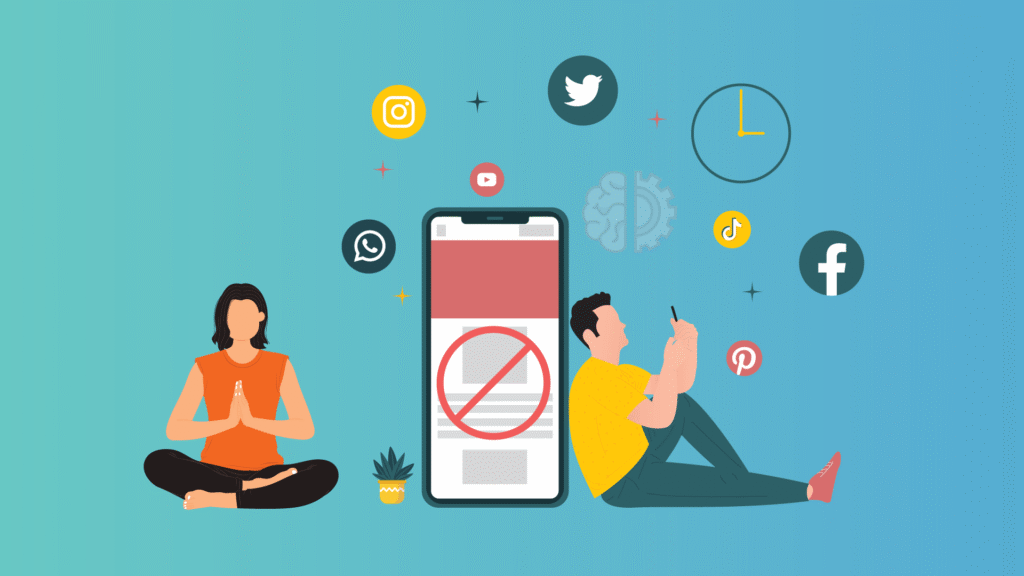
Social media can sometimes increase anxiety, comparison, and emotional exhaustion. One of the smartest Quick Mental Health Tips is setting healthier boundaries with digital platforms.
Constant scrolling exposes people to negative news, unrealistic lifestyles, and information overload.
Healthy Social Media Habits
- Set screen time limits
- Avoid late-night scrolling
- Follow positive content
- Take digital detox breaks
- Turn off unnecessary notifications
Signs Social Media Is Affecting Mental Health
- Feeling anxious after scrolling
- Comparing yourself constantly
- Difficulty concentrating
- Reduced productivity
- Poor sleep quality
Helpful Checklist
✔ Limit social media before bed
✔ Avoid comparing your life to others
✔ Unfollow stressful accounts
✔ Schedule offline activities
✔ Prioritise real conversations
Quick Mental Health Tips related to digital habits are especially important for younger adults and professionals.
5. Get Better Sleep Every Night
Sleep and mental health are closely connected. Poor sleep can increase stress, irritability, anxiety, and emotional instability.
One of the most valuable Quick Mental Health Tips is improving sleep quality naturally.
Healthy Sleep Habits
- Maintain a consistent bedtime
- Avoid caffeine late in the day
- Keep the bedroom cool and quiet
- Reduce screen exposure before sleep
- Relax before bedtime
Sleep and Mental Wellness Table
| Sleep Habit | Mental Health Benefit |
|---|---|
| Regular bedtime | Emotional stability |
| Less screen time | Better sleep quality |
| Relaxing bedtime routine | Reduced anxiety |
| Quality sleep duration | Improved mood |
Real-Life Example
A working mother improved her sleep by avoiding phone use before bedtime and noticed lower stress levels during the day.
Better sleep supports clearer thinking, patience, and emotional balance.
6. Stay Physically Active
Exercise is one of the most effective Quick Mental Health Tips because movement directly affects brain chemicals linked to happiness and stress reduction.
Physical activity does not need to be intense. Even light movement can improve mood significantly.
Easy Activities for Mental Wellness
- Walking
- Yoga
- Cycling
- Dancing
- Stretching
- Home workouts
Mental Benefits of Exercise
- Reduced stress
- Increased confidence
- Better focus
- Improved sleep
- Higher energy levels
Real-Life Example
A remote worker began taking short walks during lunch breaks and reported feeling more productive and mentally refreshed.
Regular movement also helps reduce symptoms linked to anxiety and low mood.
7. Talk to Someone You Trust

Social connection is essential for emotional wellbeing. One of the most powerful Quick Mental Health Tips is simply talking openly with someone supportive.
Keeping emotions bottled up often increases stress and emotional pressure.
People You Can Talk To
- Friends
- Family members
- Therapists
- Support groups
- Trusted colleagues
Why Communication Helps
Talking about emotions:
- Reduces mental pressure
- Creates emotional support
- Encourages problem-solving
- Helps people feel less isolated
Healthy Communication Checklist
✔ Be honest about feelings
✔ Listen actively to others
✔ Ask for help when needed
✔ Stay connected regularly
✔ Avoid isolating yourself
Strong relationships support long-term emotional stability.
8. Practice Gratitude Daily
Gratitude helps shift attention away from negativity and encourages a more balanced mindset. This is one of the simplest Quick Mental Health Tips with long-lasting emotional benefits.
Easy Gratitude Habits
- Write three good things daily
- Thank people more often
- Focus on small positive moments
- Keep a gratitude journal
Gratitude and Mental Wellness
| Gratitude Habit | Emotional Benefit |
|---|---|
| Daily journaling | Positive thinking |
| Appreciating small wins | Reduced stress |
| Thanking others | Better relationships |
| Reflecting on good moments | Improved mood |
Real-Life Example
A teacher started writing down positive experiences every evening and noticed improved emotional balance during stressful work periods.
Gratitude encourages healthier thinking patterns over time.
9. Eat Foods That Support Brain Health
Nutrition affects mental wellness more than many people realise. Poor eating habits may contribute to fatigue, mood swings, and low energy.
Healthy eating is one of the most practical Quick Mental Health Tips for supporting emotional wellbeing naturally.
Brain-Friendly Foods
- Fruits
- Vegetables
- Nuts
- Fish
- Whole grains
- Dark chocolate
- Yogurt
Foods That May Affect Mood Negatively
- Excess sugar
- Processed foods
- Too much caffeine
- Heavy fast food meals
Mental Wellness Nutrition Table
| Healthy Food | Mental Benefit |
|---|---|
| Salmon | Supports brain function |
| Nuts | Healthy fats for mood |
| Leafy greens | Nutrient support |
| Berries | Antioxidants for brain health |
Balanced meals help stabilise energy and emotional responses throughout the day.
10. Give Yourself Short Mental Breaks
Many people stay mentally active all day without rest. One of the easiest Quick Mental Health Tips is taking small breaks during work or study sessions.
Short pauses help refresh focus and reduce mental exhaustion.
Simple Mental Break Ideas
- Stretch for five minutes
- Drink water
- Step outside briefly
- Listen to calming music
- Close your eyes for a moment
Why Mental Breaks Matter
Continuous stress without breaks can increase:
- Irritability
- Burnout
- Anxiety
- Poor concentration
Real-Life Example
An employee working long hours began taking short breaks every hour and noticed improved focus and reduced stress.
Even small pauses help the brain recharge naturally.
Common Habits That Hurt Mental Health
Some daily habits quietly damage emotional wellbeing over time. Recognising them is important when applying Quick Mental Health Tips.
Habits to Avoid
- Constant multitasking
- Negative self-talk
- Poor sleep routines
- Excessive alcohol consumption
- Isolation
- Overworking without breaks
Harmful Habit vs Healthy Habit
| Harmful Habit | Better Alternative |
|---|---|
| Endless scrolling | Outdoor walks |
| Skipping meals | Balanced nutrition |
| Staying indoors constantly | Fresh air daily |
| Overworking | Scheduled breaks |
Replacing unhealthy habits gradually creates better emotional balance.
Daily Mental Wellness Checklist
This checklist combines several Quick Mental Health Tips into simple daily actions.
Daily Checklist
✔ Drink enough water
✔ Move your body daily
✔ Limit screen time
✔ Get quality sleep
✔ Practice gratitude
✔ Talk to someone supportive
✔ Take short breaks
✔ Spend time outdoors
✔ Eat balanced meals
✔ Practice deep breathing
Consistency matters more than perfection. Small actions repeated daily create stronger long-term mental wellness.
How Work Stress Impacts Mental Health
Work pressure is one of the biggest emotional challenges today. Long hours, deadlines, and burnout affect millions of people globally.
Quick Mental Health Tips are especially useful for professionals balancing busy schedules.
Signs of Work Burnout
- Constant exhaustion
- Lack of motivation
- Irritability
- Reduced productivity
- Emotional detachment
Workplace Mental Wellness Tips
- Take lunch breaks away from screens
- Set work boundaries
- Avoid excessive overtime
- Organise tasks clearly
- Use relaxation techniques during breaks
Real-Life Example
A marketing professional started scheduling short breathing exercises between meetings and reported feeling calmer and more focused.
Healthy work habits improve both productivity and emotional wellbeing.
Mental Health Tips for Students
Students often face pressure from exams, social expectations, and future planning. Quick Mental Health Tips can help students stay emotionally balanced.
Helpful Student Habits
- Create study schedules
- Avoid late-night cramming
- Take movement breaks
- Sleep properly before exams
- Avoid comparing grades constantly
Student Mental Wellness Table
| Student Habit | Emotional Benefit |
|---|---|
| Study planning | Reduced stress |
| Exercise | Better concentration |
| Social support | Emotional comfort |
| Healthy sleep | Improved memory |
Mental wellness improves academic performance and confidence.
Long-Term Benefits of Better Mental Health
Consistently applying Quick Mental Health Tips creates lasting benefits beyond temporary stress relief.
Long-Term Mental Wellness Benefits
- Better relationships
- Improved confidence
- Stronger emotional resilience
- Better productivity
- Healthier sleep patterns
- Increased life satisfaction
People with healthy emotional habits often handle challenges more effectively while maintaining stronger physical health too.
Final Thoughts:
Mental wellness should never be treated as an afterthought. Daily stress, work pressure, digital overload, and busy routines can slowly affect emotional balance if ignored for too long.
The good news is that small habits can create powerful improvements. These Quick Mental Health Tips are simple, practical, and realistic for daily life. Deep breathing, quality sleep, outdoor walks, balanced nutrition, gratitude, and healthy social connections all support a calmer and happier mindset.
Mental wellness is not about perfection. Some days will feel easier than others. What matters most is consistency and self-care over time. Even a few positive habits practised regularly can improve emotional stability and overall happiness significantly.
Quick Mental Health Tips work best when they become part of your routine rather than temporary solutions. A healthier mind supports better relationships, stronger confidence, improved focus, and greater emotional resilience.
Taking care of mental health is one of the smartest investments anyone can make for a happier and healthier life.
Must Read: Top Digital Health Innovations Changing Healthcare Forever
FAQs:
What are Quick Mental Health Tips?
Quick Mental Health Tips are simple daily habits that help reduce stress, improve mood, and support emotional wellbeing naturally.
Can exercise improve mental health?
Yes. Physical activity helps reduce stress hormones and increases chemicals linked to happiness and relaxation.
Why is sleep important for mental wellness?
Poor sleep affects mood, energy, focus, and emotional balance. Quality sleep supports brain recovery and stress management.
How does social media affect mental health?
Excessive social media use may increase anxiety, comparison, stress, and sleep problems in some individuals.
Are breathing exercises really effective?
Yes. Deep breathing helps calm the nervous system, reduce stress, and improve emotional control quickly.
How long does it take to improve mental wellness?
Small improvements can happen within days, but long-term emotional benefits usually come from consistent healthy habits over time.